

























































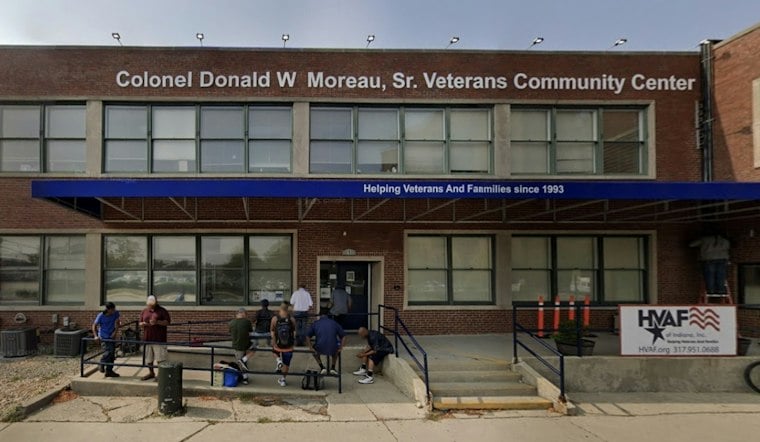
Nineteen Indiana organizations working to house homeless veterans are splitting $38 million in new federal grants, money arriving just as the state posts one of the country's steepest drops in veteran homelessness. The U.S. Department of Veterans Affairs announced the awards for Indiana on Monday, part of a broader push to keep veterans off the streets and out of shelters.
The Indiana allocation is a slice of a much larger national pot: $1.17 billion awarded to 680 organizations nationwide for fiscal year 2027, as reported by WISH-TV. In Indiana, the money is meant to support programs that help veterans avoid homelessness, find housing, and stay in stable housing once they get it, according to the outlet's reporting. The grants are also intended to help organizations move homeless veterans and their families into housing quickly.
The funding flows through two VA mechanisms with different jobs. Supportive Services for Veteran Families, or SSVF, provides assistance to veterans facing imminent loss of their homes and helps families find more suitable housing, while also offering rapid rehousing for veterans who are already homeless, per WISH-TV's report. Grant and Per Diem, or GPD, funds transitional housing and services, helping veterans move from temporary housing into permanent homes, and it also supports specialized housing for women veterans and for veterans who are chronically mentally ill, elderly, or frail.
A National Model Rooted in Local Numbers
Nationally, the VA says it helped house 51,936 homeless veterans in fiscal year 2025, the highest number in seven years, according to the agency's account relayed by WISH-TV. Michael Hershman, cited in that same report, said VA medical centers across Indiana remain committed to ensuring veterans have access to safe, stable housing and supportive services, adding that the grants strengthen partnerships with community organizations and help reach veterans where they are. The VA has said it provides a full list of Indiana organizations receiving the grants.
The Indiana-specific numbers back up that framing. According to 2025 HUD Point-in-Time data reported by Military.com, Indiana recorded an 18.7% drop in veteran homelessness, the second-largest state decline in the nation. That local trend lines up with a national one: VA data released this month showed 32,495 veterans were experiencing homelessness nationwide in January 2025, a 56.1% drop since 2010 and the lowest total since HUD began tracking veteran homelessness in 2009.
Indianapolis Nonprofit at the Center of the Push
Much of the on-the-ground work in Central Indiana runs through Helping Veterans And Families, or HVAF, an Indiana nonprofit serving veterans in Indianapolis. The VA Indiana Healthcare System said this month it partnered with HVAF on a “2026 Summer Surge” aimed at hitting a fiscal-year target of permanently housing 541 homeless veterans across Indiana by September 30. During the 2026 surge, HVAF housed 20 veterans, the organization has said.
The nonprofit's role isn't limited to housing placements. Hoodline previously reported that state lawmakers launched an essentials drive for HVAF in February 2025 after an October 2024 fire ravaged one of its residential properties and affected 48 veterans. HVAF serves roughly 500 homeless veterans annually across the state, a scale that helps explain why federal grant dollars routed through the organization can move the needle on statewide totals.
Veteran-Specific Gains Buck a Broader Local Trend
The progress on veteran homelessness stands out against a tougher backdrop in Indianapolis itself. An August 2025 analysis of HUD Point-in-Time data found that Marion County's overall homeless population rose 7% to 1,815 residents even as veteran homelessness in the city decreased, according to the Dayspring analysis. The analysis also described specialized housing vouchers and veteran-focused services.
One of those tools is HUD-VASH, a program combining HUD rental subsidies with ongoing VA clinical case management. Indiana has 800 federal HUD-VASH vouchers allocated statewide, with 400 reserved specifically for Marion County residents, according to HVAF. The federal government has continued expanding that pipeline elsewhere too: in June, HUD and the VA announced $33 million in grants to support 2,532 new HUD-VASH vouchers across 265 public housing authorities nationwide, per the VA's own announcement.
Together, the SSVF rapid rehousing model and GPD's transitional bed structure make up the operational backbone behind this month's $38 million Indiana award. SSVF, established in fiscal year 2012, uses an evidence-based Housing First model targeting low-income veteran households earning no more than 50% of the area median income, according to federal grant documentation. GPD, meanwhile, funds transitional housing and services to help stabilize veterans before they move into permanent homes.



