

























































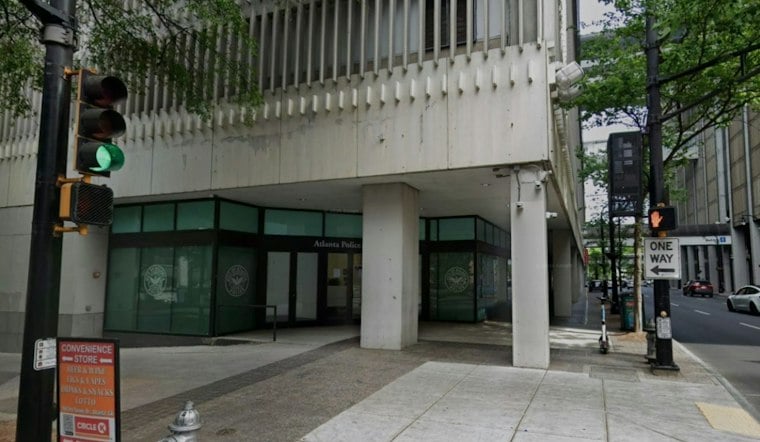
A new 30-second television ad from Rick Jackson's gubernatorial campaign is dragging Georgia's governor race back into the chaos of 2020, casting Keisha Lance Bottoms' tenure as Atlanta mayor as a cautionary tale rather than a résumé line. The spot, titled “Disaster,” began airing across Georgia on September 10 and features Georgians describing their experiences living in Atlanta during Bottoms' time in office. Jackson himself does not appear in the ad.
The ad's release, reported by Atlanta News First, has reignited a fight over how voters should remember Bottoms' record running Atlanta through the pandemic and the unrest that followed the police shooting of Rayshard Brooks. Garrison Douglas, spokesman for the Jackson campaign, said the ad “reflects real experiences from that time” and argued that Jackson “will not allow Bottoms' past as mayor to be Georgia's future.” Douglas went further, calling Bottoms “a disaster as mayor of Atlanta,” and responded to criticism from her camp by saying her own criticism of opponents contributed to her failure as mayor.
Bottoms' Campaign Fires Back Over Ad's Cast
Beth Cope, senior advisor to the Bottoms campaign, pushed back hard on the ad itself, not just its message. Cope accused Jackson of hiding the political ties of people featured in the spot, saying the ad used political figures to pose as everyday Georgians. Among those featured, per the same report, is Takosha Swan, who ran for lieutenant governor as a Republican in 2026.
Cope countered the “disaster” framing by pointing to Bottoms' policy record in office. She said Bottoms delivered historic pay raises for police officers and firefighters, balanced Atlanta's budget without raising property taxes, laying off employees, or furloughing workers, and led the city through a national economic downturn. City of Atlanta records show Bottoms signed legislation in October 2018 authorizing a 30 percent pay raise over three years for Atlanta Police Department officers, an effort at the time aimed at addressing recruitment and retention problems on the force, according to the City of Atlanta.
What the 2020 Numbers Actually Show
The ad's central claim leans on real, if contested, numbers. Atlanta recorded 157 homicides in 2020 and 158 in 2021, and 2020's toll was the city's highest since 1996, according to Atlanta News First's reporting. That spike came amid a broader national surge; the Centers for Disease Control and Prevention reported that national homicides jumped 30% in 2020, per CDC data cited in the same report. Atlanta also experienced significant protests that summer following Brooks' fatal shooting by police.
Bottoms took office as Atlanta mayor in 2018 and announced in 2021 that she would not seek reelection, citing the pandemic and the toll of that year as reasons, saying at the time the decision not to seek reelection was best for her family. The period also strained the police department's ranks: 11Alive reported that Atlanta saw an elevated rate of officer resignations during the summer of 2020, including 28 resignations and 11 retirements in August of that year alone, amid the protests and unrest.
Crime Trends Shifted After Bottoms Left Office
The picture looks different in the years since Bottoms left City Hall. Atlanta recorded a 21% decrease in homicides in 2023 under Mayor Andre Dickens, followed by a 32% drop in killings during the first half of 2025 compared with the same period the year before, according to The Atlanta Journal-Constitution. City leadership attributed that decline to targeted enforcement against gangs and illegal firearms alongside expanded youth programs, per the same report — a trend line that complicates any simple story about whether 2020's spike reflected local governance or a broader pandemic-era phenomenon nationally.
After leaving the mayor's office, Bottoms took on a senior federal role, serving in the Biden administration from June 2022 until February 2023, according to a White House Press Office announcement. In that post she managed relationships between the White House and mayors, governors, business leaders and advocacy organizations.
Money and Timing Behind the Ad Blitz
The ad war is unfolding against a stark financial imbalance. Jackson has invested more than $100 million of his own fortune into his campaign, funding a statewide television blitz that far outpaces Bottoms' spending, according to WABE. That wealth traces back to Jackson Healthcare, his Alpharetta-based medical staffing firm, which has received nearly $1 billion in Georgia state agency contracts since fiscal year 2020, including $710 million from the Department of Community Health for pandemic-era emergency staffing, according to Healthbeat. Facing pressure over that arrangement, Jackson pledged in August to terminate all of his company's state healthcare contracting by December 31, 2026, if elected, WABE reported.
Jackson secured the GOP nomination by defeating Lieutenant Governor Burt Jones in a June 16 primary runoff, despite Jones holding an endorsement from former President Donald Trump, according to Wikipedia's account of the race. That same primary included a Democratic contest, from which Bottoms advanced, per Wikipedia.
Analysts Say Response Time Will Matter
Political analyst Ben Taylor said a slow response to an attack ad can decisively affect voter memory, and that a campaign's response speed can shape how voters remember a candidate's record. Taylor also noted that ads featuring ordinary residents rather than the candidate himself tend to be more effective than traditional attack ads — a dynamic seemingly at play in the “Disaster” spot, where Jackson never appears on camera. Political analysts broadly agreed that the conflict between the two campaigns will intensify as Election Day nears, Atlanta News First reported.
If elected in November, Bottoms would become Georgia's first female governor, the first Black female governor in U.S. history, and the first Democrat elected governor since Roy Barnes in 1998, according to Ballotpedia. Roy Barnes was the last Democrat elected governor of Georgia, in 1998.



