

























































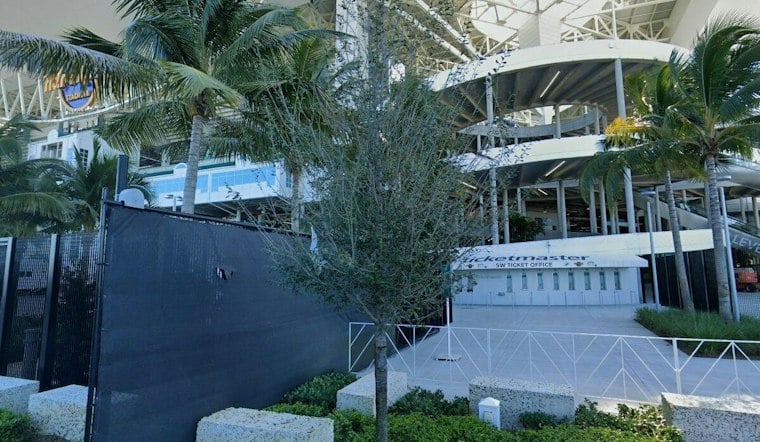
The Miami Hurricanes are changing the person responsible for the soundtrack at home games. Junigar Herrera, known to fans as DJ Volume, said he will not return after six seasons working Hurricanes football at Hard Rock Stadium and basketball at the Watsco Center. Herrera said the decision was not his, according to Miami New Times.
Michael Hankerson, who performs as DJ M-DOT, is scheduled to become Miami’s stadium DJ and hype man for home football games beginning in September 2026. On3 reported that Hankerson brings experience from the Miami Heat and Florida Marlins to the role, which is part of a broader redesign of the Hurricanes’ game-day presentation: On3.
More than a personnel change
The 2026 plan also calls for expanding the marching band by 50 percent and adding QR code-activated mobile light shows. Associate Athletic Director for Marketing and Event Experience Rob Roselli is overseeing the overhaul, according to On3, framing the DJ change as one element of a larger effort to reshape the atmosphere for Miami home games.
At least one established piece of the presentation is expected to remain: a fourth-quarter sequence pairing Pro Football Hall of Famer Michael Irvin with AC/DC’s “Thunderstruck” and synchronized stadium lighting, according to the same report. The available reporting does not establish how much control Hankerson will have over the playlist or whether the university has adopted a specific musical philosophy for the new season.
A debate over what Miami should sound like
Herrera has argued that the stadium’s music should reflect South Florida rather than rely primarily on generic arena standards. In comments reported by Miami New Times, he described drawing from Miami bass, freestyle, salsa, merengue and local radio influences, and said he had used tailgate observations, players’ social-media posts and crowd reactions to shape his selections.
That approach became a point of disagreement during the 2025 season. After Miami’s August 31 home game, users in the Hurricanes’ Reddit community criticized the use of songs such as Neil Diamond’s “Sweet Caroline” and Bon Jovi’s “Livin’ on a Prayer,” arguing that tracks associated with South Florida artists would better sustain the home crowd. The discussion is evidence of fan frustration in one online forum, not a measurement of the entire fan base: Reddit.
The disagreement also reflects a practical tension in stadium entertainment. A recognizable sing-along can unify a crowd, while a locally rooted selection can reinforce a team’s connection to its city. The 2026 changes leave open how Miami will balance those goals, particularly when the new DJ begins working within a presentation that includes both expanded live elements and technology-driven effects.
A new chapter in an older Miami sports setting
Hard Rock Stadium is not the first major venue to shape the Hurricanes’ identity. The program’s official history says Miami moved into Roddy Burdine Municipal Stadium in 1937, a venue later renamed the Orange Bowl: Miami Hurricanes.
The Orange Bowl itself opened in 1935, when Miami was trying to promote the city after the 1926 hurricane and the 1929 stock-market crash, according to TIME. That history does not explain the current DJ decision, but it places today’s debate in a longer tradition of Miami sports venues serving as public showcases for the city.
The audience for the modern presentation can be substantial. An official Hurricanes report recorded 66,573 people at Hard Rock Stadium for Miami’s October 17, 2025, game against Louisville, illustrating the scale of the crowd exposed to the venue’s music, lighting and entertainment choices without establishing a season-wide attendance trend: Miami Hurricanes.
For now, the confirmed change is who will lead the football game-day soundtrack. Whether Hankerson’s arrival produces a playlist that feels more distinctly Miami—or simply a different version of a national stadium formula—will be determined once the 2026 season begins.



