

























































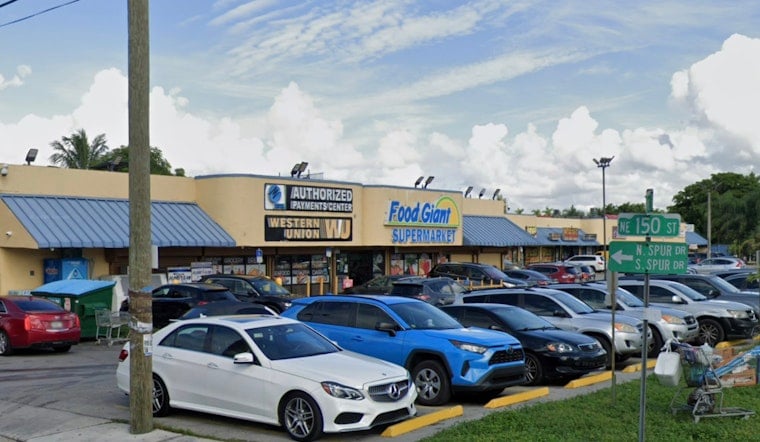
A fire broke out early Wednesday morning at a supermarket in northeast Miami-Dade, but crews moved fast enough that the store never had to close and no injuries were reported.
Fire crews worked to extinguish the blaze before it could spread further, according to CBS News Miami, which had reporter Morgan Rynor on scene following the emergency response. By the time the flames were out, the supermarket was able to stay open, and there were no reported injuries tied to the fire.
The responding agency in this stretch of the county is almost certainly Miami-Dade Fire Rescue, which provides fire protection across unincorporated Miami-Dade County and 30 municipalities, covering more than 1,800 square miles. The department holds an ISO Class 1 Public Protection Classification, making it the first fire department covering over 1,000 square miles in the country to earn that top safety rating, according to Miami-Dade County.
What Comes Next for the Supermarket
It remains unknown exactly what sparked the fire or whether any inventory or equipment inside the store was damaged. Also unclear is whether the Florida Department of Agriculture and Consumer Services will conduct a follow-up food safety or sanitation check, though the agency's Division of Food Safety holds statutory authority over the state's retail grocery stores. Per Florida's Department of Agriculture and Consumer Services, inspectors can issue stop-sale or stop-use orders if smoke, fire, or mechanical failures compromise food safety.
Grocery stores in Miami-Dade County are also required to maintain an annual Life Safety Operating Permit issued through Miami-Dade Fire Rescue's Fire Prevention Division under the Florida Fire Prevention Code, and the department conducts routine priority inspections to check compliance, according to Miami-Dade County permit records. Facilities equipped with commercial cooking hoods must also undergo fire suppression system inspections every six months by a licensed contractor, with county inspectors able to issue non-compliance citations if those semi-annual reports are missing or expired.
A Familiar Risk for Grocery and Food Retail
Commercial kitchen and food-prep fires are more common than many shoppers realize. National Fire Protection Association data cited by Warren Forensics shows cooking equipment is the leading cause of structure fires in food preparation and retail dining spaces, responsible for 61% of fires and 38% of direct property damage, while electrical distribution systems cause 9% of fires but a disproportionate 21% of property damage. The same reporting notes that failure to clean grease and equipment was a contributing factor in 22% of commercial food facility fires.
Nationally, fire departments respond to an average of 7,000 to 9,000 structure fires at eating and retail food preparation establishments every year, causing more than $165 million in direct property damage annually, according to the National Restaurant Association. Most of those fires stay contained to the object of origin when automated suppression systems work as designed.
Miami-Dade has seen worse outcomes before. In Hialeah's Nacional fire in June 2024, a two-alarm blaze after business hours gutted the interior and roof of the Nacional Supermarket, though that incident also resulted in zero civilian or firefighter injuries. Wednesday's northeast Miami-Dade fire appears to have ended with far less damage, allowing the store to keep operating.
Part of a Shifting Grocery Landscape
The incident lands amid a year of change for Miami-Dade's grocery sector, which has seen multi-store acquisitions and the conversion of traditional Winn-Dixie locations into new formats. Store rebrandings and facility modernizations have touched several shopping plazas across the county this year. Whatever caused Wednesday's fire, the supermarket's ability to stay open suggests the damage was limited enough not to trigger a broader closure or inventory loss.




