

























































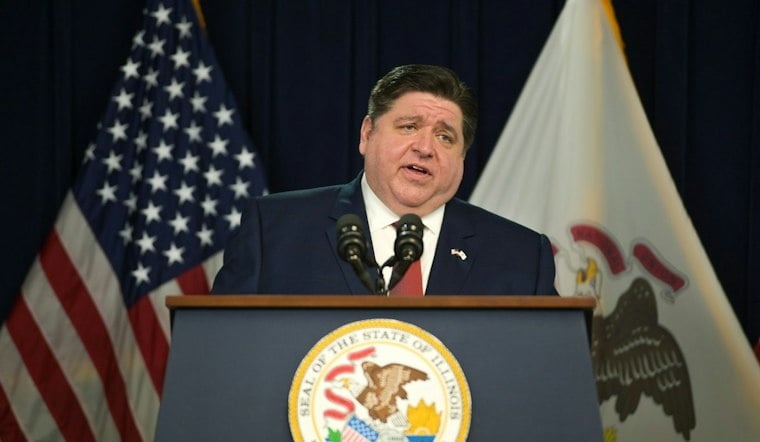
Illinois Gov. JB Pritzker has disclosed that he lost about 80 pounds while taking an unidentified GLP-1 medication and said he is no longer using insulin. He described the change in an interview with NBC Chicago, which reported that after a Type 2 diabetes diagnosis he began insulin and a GLP-1 drug, and that his doctor continues to monitor his condition.
Pritzker said his blood-sugar levels progressed from prediabetic to diabetic despite efforts involving diet and exercise. He also said he has been walking nearly four miles a day for more than 18 months and did not want to rely on insulin indefinitely, according to NBC Chicago. The governor has not identified whether he is taking semaglutide, tirzepatide or another medication in the GLP-1 class.
His disclosure intersects with a state coverage debate
The treatment is relevant beyond Pritzker’s personal health history because Illinois has expanded access to medically necessary injectable drugs for some state employees. The Illinois Department of Central Management Services says State Employees Group Insurance Program plans have been required since July 1, 2024, to cover injectable medications prescribed to improve glucose or promote weight loss for adults diagnosed with prediabetes, gestational diabetes or obesity: Illinois Department of Central Management Services.
The policy is not an unrestricted weight-loss benefit. CMS says a member who receives an initial prescription must enroll in and continue participating in the health plan’s lifestyle management program or future coverage can be denied. That requirement is an important distinction as public officials debate whether the drugs should be treated primarily as diabetes medicines, obesity treatment or both.
The Chicago Sun-Times reported that Pritzker’s prescription is covered through the state plan because of his diabetes diagnosis rather than solely for weight loss, and reported that Illinois’ coverage expansion cost $147 million in fiscal year 2025: Chicago Sun-Times. Those figures concern the state program as a whole, not the cost of Pritzker’s treatment.
The durability question remains unresolved for individuals
Pritzker’s account also raises a broader question: what happens if a patient stops a weight-management medication? A systematic review and meta-analysis published by The BMJ projected, from observed trends, that people who discontinue such medications may regain weight at an average rate of about 0.4 kilograms per month, while cardiometabolic markers were projected to return to baseline within roughly 1.4 years.
That finding is a projection across study populations, not a prediction of what will happen to Pritzker or any other particular patient. It also does not establish that he has stopped his GLP-1 medication; his disclosure was that he had stopped insulin. Decisions about changing diabetes or weight-management treatment require clinical monitoring, particularly when blood-sugar control is part of the reason for treatment.
Pritzker has framed the change as a personal health decision and said he is seeking reelection as governor, not announcing a presidential campaign. His disclosure therefore provides a public account of his treatment, but it does not establish the drug’s identity, his current dosage, the long-term plan for treatment or any 2028 political intention. Federal election rules also do not require presidential candidates to disclose health information, according to a 2016 report by ABC News citing a Federal Election Commission spokeswoman.





