

























































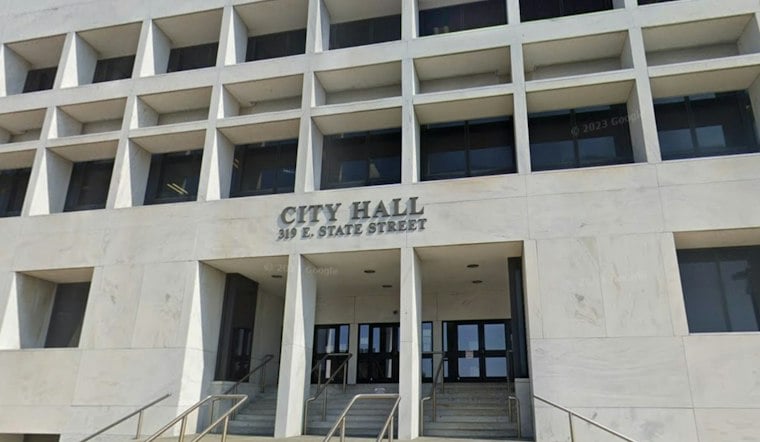
Trenton residents will meet Tuesday at 6:30 p.m. at City Hall to discuss whether the city should continue using its 11 Flock Safety cameras, change the program or end it. The meeting follows a presentation by Police Chief Patrick Carr about the system's investigative value and the department's controls, according to WLWT.
The questions before residents
The immediate policy questions include when officers may search the system, how searches are reviewed, how long records are retained and whether outside agencies may access Trenton data. Carr has said officers conducted about 2,600 investigation-related searches this year and that the cameras scanned 11.7 million license plates. Police have credited the system with assisting investigations involving an ATM robbery, hit-and-run crashes, stolen vehicles, arson and missing people, according to WLWT.
The cameras capture passing vehicles and information including license-plate numbers, vehicle type, color, damage and bumper stickers. That information is processed into a searchable database, WLWT reported. As a result, the town hall's agenda extends beyond the cameras' usefulness in investigations to the rules governing access to information about drivers who are not suspected of a crime.
Existing safeguards and unresolved concerns
What Ohio records law addresses
According to an Ohio Attorney General's Office records-redaction document, images and data captured by automated license-plate-recognition systems and maintained in a law-enforcement database are redacted under R.C. 149.43(A)(1)(yy). The document addresses public-records redaction; it does not itself establish how long Trenton must retain the data or set the department's rules for officer access and searches. Those remain among the local policy questions before the town hall.
Carr said every Trenton search must include an offense number and is logged for later administrative review. He also cited a Flock feature intended to identify unusual activity, block a user and alert administrators. Carr has said the department follows federal law and would seek warrants if a federal judge determines they are required, according to WLWT.
The adequacy of such controls has drawn wider scrutiny after Indiana State Police arrested former deputy Skylar Thompson. Investigators allege that Thompson searched the same plate 2,055 times; he faces charges of official misconduct and fraud, according to WRTV. The case has fueled debate over whether agency audits and vendor safeguards can prevent personal or unauthorized searches.
A proposal for tighter local rules
Trenton resident Jake Davis has submitted a regulatory framework to city leaders. If the city keeps the program, he is seeking additional rules for searches and information sharing, according to WLWT. The American Civil Liberties Union has also warned that networks of this type can enable broad surveillance without warrants, a concern reported by WLWT.
Other Ohio cities have chosen different approaches. Oxford's City Council voted 6-1 on Aug. 18 to cancel a 14-camera Flock contract, while Lebanon's council voted unanimously on Sept. 8 to remove its 20 cameras after the vendor did not answer 54 written questions about privacy and data use, according to Hoodline and Hoodline. Flock has announced that it will reduce its standard retention period from 30 days to seven and plans to require misuse-audit tools for law-enforcement customers by Jan. 1, 2027, according to The Associated Press.
Tuesday's meeting gives residents and officials a chance to weigh the system's investigative benefits against questions about searches, retention, sharing and oversight. The discussion could shape whether Trenton keeps the cameras under existing safeguards, adopts Davis's proposed rules or ends the program; any final policy would require subsequent city action.





