

























































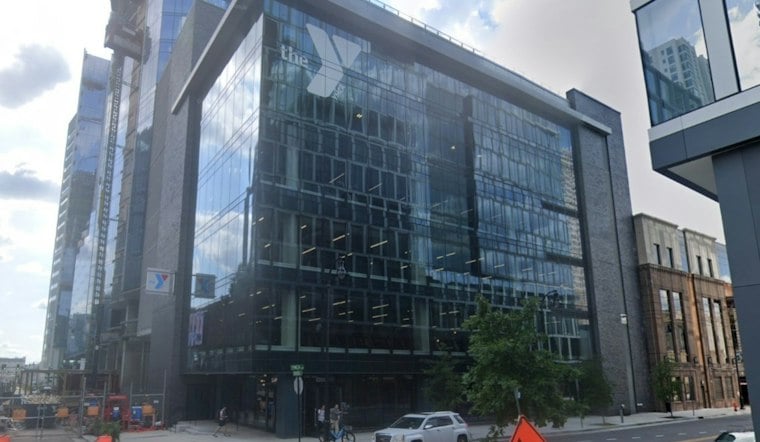
The YMCA of Middle Tennessee has begun installing AngelEye, an artificial-intelligence system that uses underwater cameras and software to alert lifeguards when it detects a swimmer in distress. WKRN News 2 reported that the YMCA started with a pilot program in 2025 and announced in May that it planned to extend the system to all 12 of its indoor public pools.
The YMCA has described AngelEye as an additional safeguard rather than a replacement for lifeguards, according to WKRN News 2. That distinction is consistent with Tennessee's existing public-pool rules, which require at least one lifeguard when a pool has 25 or fewer bathers and require additional staffing as attendance increases.
The technology does not change the regulatory baseline
Tennessee Department of Health rules also direct lifeguards to observe from lifeguard chairs except during instruction, lifesaving or other emergency situations involving swimmers. Those requirements establish a human-surveillance baseline even as the YMCA adds automated detection. The available account does not show whether the YMCA has changed staffing levels, surveillance assignments or emergency protocols since the pilot began.
In Davidson County, publicly accessible pools—including pools at public parks, apartment complexes, homeowners associations and hotels—are inspected each month they are open for swimmers, according to the Metro Public Health Department. Pool construction or reconstruction also requires plans and specifications to be submitted to and approved by the department before work begins, according to its public-pool permitting guidance.
The broader risk is real, but the data do not measure AngelEye
The Tennessee Department of Health's 2025 Child Fatality Annual Report found that pools, spas and hot tubs were the location category for 72.7% of fatal drownings among Tennessee children ages 1 through 17 in 2023. That statewide figure provides context for why pool operators may pursue additional detection tools, but it does not establish how often incidents occur at YMCA facilities or whether AngelEye reduces drownings.
A separate Tennessee Department of Health statement reported 71 drowning deaths statewide in 2013. That older figure does not identify public-pool or YMCA incidents and cannot be used to evaluate the current technology.
What remains to be documented
The available reporting does not identify which of the YMCA's 12 indoor pools have received AngelEye, whether every planned installation is complete, how images are retained or accessed, or whether the system has produced false alarms or missed detections. It also does not document changes to lifeguard staffing, training or emergency procedures.
Those unanswered operational questions matter because automated monitoring is being added to an existing system of inspections, staffing and human observation—not substituted for it. Until the YMCA publishes installation, staffing and performance information, the rollout shows a change in monitoring technology, not proof of a change in pool safety outcomes.





