

























































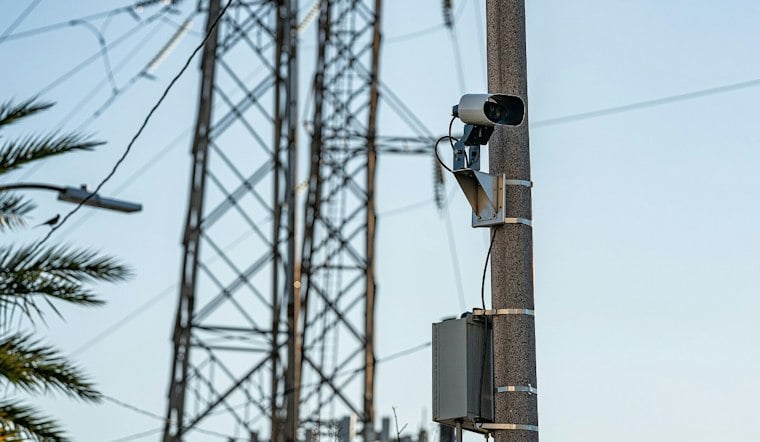
Automated license plate readers made by Atlanta-based Flock Safety turned into one of the sharpest points of disagreement Tuesday night when Democratic nominee Keisha Lance Bottoms and Republican nominee Rick Jackson met for Georgia's only confirmed gubernatorial debate before the November 3 election. Bottoms said she is not opposed to a moratorium on new camera installations, while Jackson pushed back, arguing the technology helps fight crime and that pausing new installations could lead to higher crime rates.
The exchange, aired during a televised town hall hosted by Atlanta News First, came just weeks before Georgia voters decide a race that a September poll found locked in a near-tie, with Jackson at 45% support to Bottoms' 44%, according to Hoodline. The October 6 forum, covered by The Atlanta Journal-Constitution, marked the only time the two candidates have appeared on stage together ahead of Election Day, according to Axios.
Why Flock Cameras Are a Hometown Issue
The fight over surveillance policy carries outsized weight in Georgia because Flock Safety itself was born there. The company was founded in Atlanta in 2017 and has since grown into an $8.4 billion enterprise serving more than 6,000 communities nationwide, per Inc. Magazine. Atlanta has become the most heavily monitored city in the country for this kind of surveillance, with over 5,000 Flock cameras installed across the city as of this year, as reported by Jalopnik.
That density has made the debate over cameras a hyper-local one even as it plays out on a statewide stage. Jackson, founder and CEO of Alpharetta-based Jackson Healthcare, built a $3 billion healthcare staffing business and self-funded his run to the Republican nomination, according to Forbes — a background that has shaped his pro-technology posture on public safety tools. Bottoms, who led Atlanta as mayor from 2018 to 2022 and later served as a senior advisor in the Biden administration before entering the governor's race in April 2025, per Ballotpedia, governed the city during much of Flock's early local expansion.
Clearance Rates Complicate the Crime-Fighting Pitch
Jackson's argument that the cameras deter crime runs into complicating data. FBI figures cited by Jalopnik show the Atlanta Police Department's homicide clearance rate actually fell to 48% in 2025, down from 53.4% in 2021, even as the camera network expanded. A September 2026 study from the Institute for Justice went further, concluding that Flock's claims of up to 70% crime reduction conflate correlation with causation, since the company's growth coincided with a nationwide post-pandemic drop in crime.
Bottoms' openness to a pause also follows a wave of misuse scandals that have rattled confidence in how the databases are policed. State and local investigations uncovered over the summer that law enforcement personnel across at least 17 Georgia agencies had faced discipline or criminal charges for misusing Flock camera databases for personal reasons, Hoodline previously reported. Those findings followed a related case in which Bibb County deputies were charged in a Flock camera stalking incident, and came as Doraville officials weighed whether to expand their own camera contracts amid ACLU warnings about surveillance overreach.
Existing Law Already Limits Data Retention
Existing Law Already Limits Data Use Any moratorium debate unfolds against a backdrop of state rules already on the books. Georgia's Official Code § 35-1-22 limits automated license plate reader data to law-enforcement purposes, according to Justia. That restriction is part of the legal backdrop to any moratorium debate.
The Flock exchange was one of several flashpoints between the two candidates this fall; data center growth also came up during the October debate. With the election four weeks away and the race effectively tied, the one televised face-off may be the closest look voters get at how the two would handle a technology that has made Atlanta both Flock's corporate birthplace and its most surveilled city.



