

























































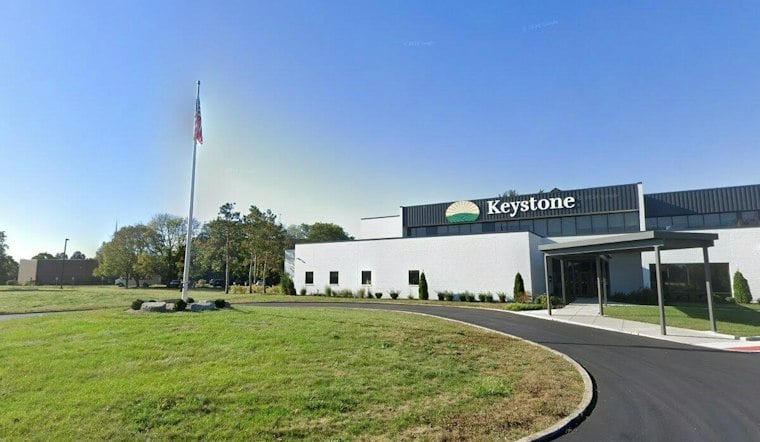
Caledonia Farmers Elevator, a farmer-owned cooperative serving west and central Michigan since 1918, has agreed to put a proposed merger with Indianapolis-based Keystone Cooperative to a member vote. The decision would determine whether Caledonia’s five Michigan locations join Keystone’s multistate network.
The boards of both cooperatives unanimously approved moving the proposal to a member vote after a three-month evaluation and due-diligence process, according to Morning Ag Clips. Members will vote throughout November and at a special meeting scheduled for December 15. The announcement described the review as an assessment of the potential benefits and opportunities of combining the organizations.
Two Cooperatives, Very Different Scale
The size gap between the two organizations is stark. Caledonia Farmers Elevator operates five Michigan locations, including its main site in the city of Caledonia, providing grain, feed, livestock nutrition, crop production, tires and other retail products and services to member farmers. Keystone Cooperative, by contrast, is headquartered in Indianapolis and runs a network of 245 facilities spanning Indiana, Ohio and Michigan, according to WWBL.
Keystone employs more than 1,800 people who deliver agronomy, energy, feed, livestock and grain services, the station's report notes. The company describes itself as a 100% farmer-owned cooperative serving customers across Indiana, Ohio, Michigan and Illinois, with specialties that include animal nutrition and swine production in addition to grain and agronomy work. Keystone's own site states the cooperative has been farmer-owned and centered on the longevity of the family farm for 100 years, and that it now fields more than 196 local teams serving rural communities across four states.
Local agriculture and Keystone’s origins
USDA’s 2022 Census of Agriculture counted 65 farms and 1,424 acres of orchards in Allegan County, providing a snapshot of agriculture in one county in the region served by Caledonia Farmers Elevator, according to the USDA National Agricultural Statistics Service. Keystone also has its own merger history: CropLife reported that the Keystone Cooperative name took effect March 1, 2024, after a separate merger of Indiana-based Ceres Solutions and Co-Alliance.
Leaders Frame the Deal as a Natural Fit
The cooperatives’ leaders have presented the proposal as a partnership. Keystone President and CEO Scott Logue said the combination could strengthen operations, support investment and increase value for members. Caledonia CEO Joel Stoepker said it could benefit members and communities while building on the cooperative’s legacy.
If members approve the deal, employees of both cooperatives would assess ways to improve operations, share expertise and broaden the products and services available while maintaining a local presence, according to the joint announcement. The organizations also identified investment, stronger operational capabilities and expanded service to farmer-members as potential benefits.
Part of a Broader Pattern in Farm Country
Keystone Cooperative itself is a product of consolidation. The company was formed when Indiana-based Ceres Solutions and Co-Alliance merged their boards and memberships, officially beginning business operations under the Keystone name on March 1, 2024, according to CropLife. Mergers like these are not unique to the Midwest's grain belt. Earlier this year, Central Valley Ag and Randall Farmers Co-op Union approved their own combination following a member vote, with Feedstuffs reporting that the deal was backed by the required two-thirds majority of Randall Farmers Co-op Union members and officially united the two organizations on June 1 under the Central Valley Ag name, headquartered in York, Nebraska.
The proposed merger still depends on member approval. The announcement does not disclose financial terms or say what the combined cooperative would be called.





