

























































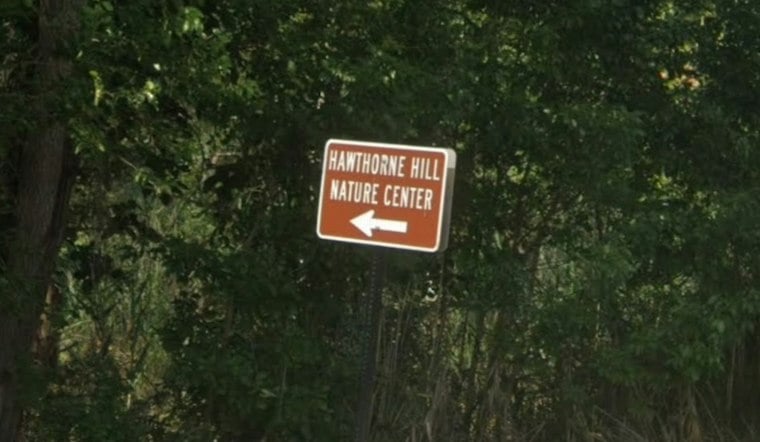
A 67-acre nature preserve in Elgin is making a bid to become Illinois' second certified forest therapy trail, a designation that would put Hawthorne Hill Nature Center among roughly 20 such sites nationwide. The push follows the Elgin City Council's approval last week of memoranda of understanding with The Conservation Foundation and the Association of Nature and Forest Therapy, agreements that clear the way for an official evaluation of the site's trail system.
The certification, if granted, would make Hawthorne Hill only the second location in the state to earn the designation, following a trail already certified in Quincy, according to the Chicago Tribune. Unlike a typical hiking path, certified forest therapy trails are designed for slow-paced, sensory-driven wellness experiences rather than physical exercise, the newspaper reports. Hawthorne Hill, located at 28 Brookside Drive near Randall Road and U.S. Route 20, opened to the public in 2005 and already draws between 300 and 400 visitors a month for programs, events and facility rentals, according to a separate Chicago Tribune report on the site's ongoing habitat restoration.
A Lesser-Used Trail Gets a New Purpose
According to the newspaper's reporting, Hawthorne Hill began developing a forest therapy trail this year along its lesser-used east-side trail system, repurposing paths that see less foot traffic than the center's main loops. The site already has two miles of walking trails, an outdoor nature play area and a pollinator garden, the earlier Tribune report noted, and the proposed therapy trail would build on that existing footprint rather than carve out new ground.
Naturalist David Schoenknecht said the therapy trail concept fits the park's location close to two hospitals, the article notes. The envisioned trail would feature up to nine installations meant to foster reflection, sensory awareness and emotional wellness, and the layout is designed to accommodate gentle gradients and resting nodes so families, seniors and anyone seeking a restorative outdoor experience can move through it safely, per the same account.
What Certification Actually Requires
Nationally, the process is less about construction and more about design intent. The Association of Nature and Forest Therapy describes its Forest Therapy Trails, Spaces & Places Program as an international certification and partnership effort that helps organizations intentionally create places supporting human wellbeing. Every certification project begins with an on-site assessment, the group says, and most are completed within three to six months, with many sites achieving certification with few or no physical changes.
At Hawthorne Hill, the station's report indicates that roughly 90% of the planned trail would use existing, established paths, with no tree removal or habitat disruption involved. Planned improvements would focus on non-invasive trail maintenance, natural woodchip surfacing and unobtrusive cedar signage rather than new infrastructure. Final timelines and project costs will depend on findings from The Conservation Foundation's certified site evaluation, which could dictate what modifications, if any, the trail ultimately needs.
Funding and Timeline Questions Remain
The assessment itself is expected to cost the city nothing, the report states, while the final project budget is expected to be funded through dedicated private donations rather than municipal funds. The Conservation Foundation and ANFT are expected to complete the assessment within three to six months, consistent with ANFT's typical project window, though the Tribune's reporting frames that estimate at the organizational level rather than as a guarantee specific to Hawthorne Hill.
Elsewhere, ANFT's own materials describe what that assessment process typically examines: route selection, accessibility, sensory opportunities, gathering areas and signage, according to the organization's certification page. Most consultation projects run 15 to 20 or more hours of professional work, with fees typically between $2,000 and $4,000, the group notes — costs that would presumably factor into whatever private fundraising effort backs the Hawthorne Hill project.
Part of a Broader Wellness Trend
If certified, Hawthorne Hill would join a small but growing club. ANFT has certified 20 trails worldwide since 2018 and fielded 40 new certification requests in the past year alone, according to National Geographic. The outlet describes forest therapy trails as short, self-guided paths meant to immerse visitors in nature and engage all their senses, typically running about a mile with little elevation change, access to water and diverse plant life, often guided by prompts like signs, brochures or apps.
National Geographic also points to research linking time in nature to reduced mental fatigue, irritability, cortisol levels and stress — the kind of benefit organizers hope a certified Hawthorne Hill trail could offer visitors from nearby neighborhoods and the two hospitals Schoenknecht referenced. Comparable projects have already opened elsewhere: Pinnacle Park in Jackson County, North Carolina, debuted its certified trail in January 2022, and a one-mile therapeutic trail opened at MacGregor Point Provincial Park in southwestern Ontario, per the same National Geographic report.
Back in Elgin, the vision for Hawthorne Hill goes beyond a single quiet walk. The trail is intended to support self-guided wellness visits, structured recreational programming and educational field trips, with organizers aiming for it to become a regional destination for nature-based wellness, according to the Tribune's reporting. Whether that vision becomes certified reality now rests on the site evaluation to come.





