

























































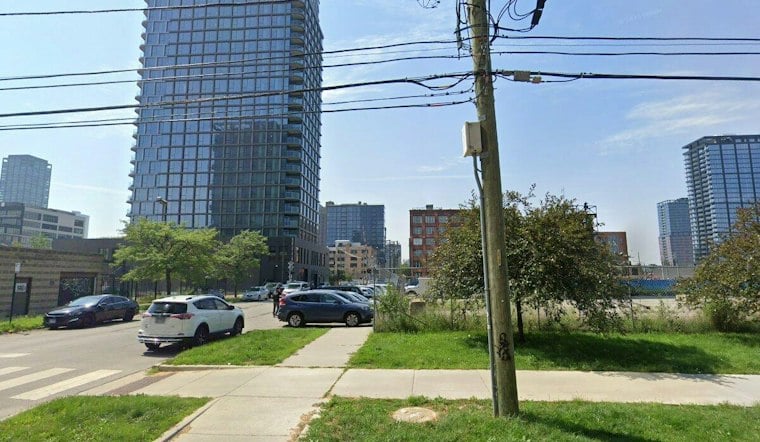
Chicago city planners are moving to expand high-rise zoning into a downtown area that includes the vacant Blommer Chocolate factory. The 600 W. Kinzie St. property has sat empty since the chocolate maker closed its original manufacturing plant in 2024, and the zoning push signals city officials see fresh potential for the site and its surrounding blocks.
According to CoStar News, which first reported the city's plans, the proposal would expand high-rise zoning to an area that includes the former factory site. The Blommer plant at 600 W. Kinzie St. was the original manufacturing facility of the Blommer group, founded in 1939, according to ABC7 Chicago.
A Factory Closing That Reshuffled Hundreds of Jobs
The closure hit the local workforce hard, though outlets differ on the exact scale. The station reported the closure impacted 260 employees at the plant, while the Chicago Sun-Times reported the factory's closing in May ended at least 250 jobs. Either figure represents a significant loss of manufacturing employment.
ABC7's reporting noted that while the plant's last day of operations came on a Friday, the facility was scheduled to officially close May 31 to allow time to move equipment out. Rather than shutter entirely, Blommer said it would redirect resources elsewhere: the company told the station it planned to invest $100 million in plants in East Greenville, Pennsylvania; Union City, California; and Campbellford, Ontario, per the Sun-Times.
Corporate Roots Stay Downtown Even as the Factory Goes
Blommer didn't fully exit downtown Chicago. The company said its corporate headquarters, Applications Lab, and New Research and Development Center would remain in the Merchandise Mart, the station reported, preserving a corporate foothold even as the manufacturing operation wound down.
Chicago's Department of Planning has previously framed the Blommer property as a chance to keep building on the area's momentum, describing it as an opportunity to continue the mixed-use transformation and long-term infrastructure improvements already underway in that part of downtown, according to the Sun-Times. The city identifies four areas along the perimeter of the downtown district as eligible for potential D-district zoning, which generally allows for taller buildings, according to the City of Chicago.
A Citywide Zoning Debate Playing Out Block by Block
The Blommer situation lands amid a broader citywide reckoning over zoning rules. A Metropolitan Planning Council report covered by the Chicago Tribune recommends allowing four-flats by default on residential lots and apartment buildings up to six stories by right near rail stations and high-frequency bus routes. That same report found Chicago's zoning code includes at least 67 zoning districts and 28 geographic overlays, a patchwork critics say slows housing production even as the National Low Income Housing Coalition estimates the metro area is short roughly 230,000 affordable rental homes for very low-income households.
Another Project Shows What Redevelopment Could Look Like
A separate project offers a glimpse of how redevelopment can unfold along the corridor. The Chicago Plan Commission approved Range Group's proposed residential development at a vacant lot at 1133 W. Kinzie, according to Urbanize Chicago. That project, distinct from the former Blommer site, would deliver 110 residential units served by 33 parking spaces, with 17 of those units, or 15 percent, set aside as affordable under the city's requirements.
The 1133 W. Kinzie developer is seeking to rezone the property from M2-3 to DX-5 with a Planned Development designation, Urbanize reported, a shift that would allow denser residential use in place of the industrial classification. If approved, construction of the $20 million project would begin in February 2027 and wrap up by spring 2028, giving the corridor a concrete timeline even as the fate of the larger Blommer property remains an open question.





