

























































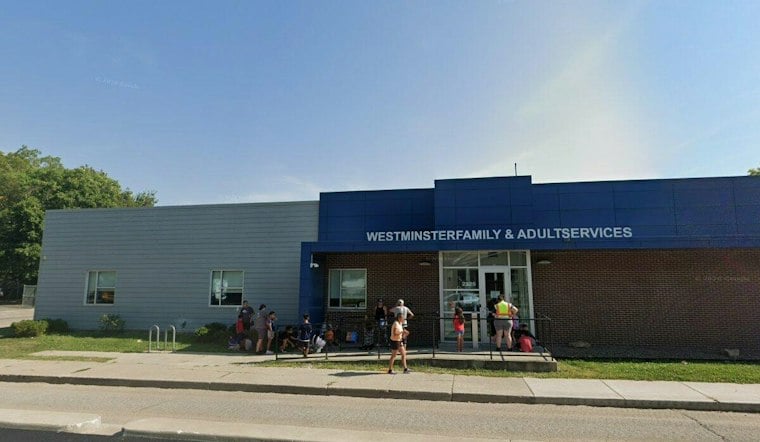
A 69-year-old man who relies on a northeast side Indianapolis food pantry now carries about 25 pounds of groceries 11 blocks home on foot. The city's proposed 2027 budget would reduce funding for the program by $100,000. James Perry has used Westminster Neighborhood Services as his preferred pantry for five years, and he also walks two miles to a grocery store when the pantry alone cannot cover his needs.
Perry visited Westminster Neighborhood Services on October 1, as reported by WFYI Public Media, carrying his food home despite back and foot problems from years of manual labor. He lives in a converted garage apartment at his sister's house, and he told the outlet he had never known about the city's paused FeedIndy program, which could have helped him get to Kroger. The Indianapolis Office of Public Health and Safety runs programs that pay for rides to and from grocery stores, but the agency's funding picture has shifted sharply heading into 2027.
How FeedIndy Went Over Budget
FeedIndy started in 2023 as a partnership with Lyft that provided up to $5 per ride to and from grocery stores, and the 2026 city budget had set aside $148,000 for the program. Unlike more restrictive efforts, FeedIndy was open to anyone through a widely shared code, requiring no income verification or geographic limits. Andrew Merkley, director of the Office of Public Health and Safety, said the program's openness is exactly what made it popular, since anyone could use it.
That same openness sent costs soaring past the budget, and the city paused FeedIndy in April. Spokesperson Jamia Dinkins said the office collected no financial information from FeedIndy users, meaning there was no way to target the subsidy only to those who needed it most before the money ran out. The proposed 2027 city budget does not include FeedIndy at all; instead it earmarks $48,000 for a more limited transportation program tied to the existing Grocery Access Program.
A Narrower Program Replaces Open Access
The Grocery Access Program, which started in 2019, will remain available, but it is limited to people within specific boundaries on the far east side and near northwest side, and it requires an application. Dinkins said the office might change access to referrals instead of an application going forward. Under the program's original structure, documented by the city's Thrive Indianapolis sustainability initiative, riders paid a $1 flat fare while the city covered up to $9 per trip for as many as eight rides per account to SNAP-eligible grocery stores.
Mandy Wright-Jarrett, family and adult services manager at Westminster, said people seeking food assistance genuinely need the help. Wright-Jarrett said 58% of Westminster visitors arrive by foot, bike or bus, a figure that reflects the broader transit gap documented across Marion County, where IndyGo operates 30 bus routes spread across 403 square miles.
Demand Climbing as Federal Cuts Loom
The budget reduction lands at a precarious moment for food access in Central Indiana. The 2025 Survey of Food Assistance Need in Central Indiana, conducted by the Indy Hunger Network and published in November, found that 54% of surveyed households across nine Central Indiana counties experienced food insecurity over the previous year, with 37% suffering from what researchers called very low food security, according to WFYI. The survey's findings point to widespread need across the region.
That same survey found that 86% of Hoosiers in the study lived in a household with at least one income, according to WTHR, undercutting the notion that steady work alone keeps families fed amid rising costs. Marion County holds the highest child food insecurity rate in Indiana at 23.9%, Gleaners Food Bank data cited by WTHR shows.
Federal pressure is compounding the local squeeze. SNAP funding cuts could push even more demand onto city food programs. An estimated 208,000 Indianapolis residents, roughly one-fifth of the city's population, live in food deserts, including 10,500 vehicle-less households in what researchers classify as transit food deserts without easy grocery access by bus, per the Polis Center's SAVI database.
Budget Scrutiny Continues at City Hall
The $100,000 reduction to food ride funding is part of a broader fiscal review playing out at City-County Council. In August, the Office of Public Health and Safety presented a proposed 2027 budget of nearly $30 million to the council's Public Safety and Criminal Justice Committee, where members pushed department leaders to show which community programs deliver measurable results, according to a WTHR broadcast of the hearing.
Community groups have been stepping in to fill some of the gap independently. To address food access on the city's west side, partners announced the Nutrition Secure Indy pilot on August 12, saying it would begin in the coming weeks with weekly 20-pound produce and protein boxes for 250 families, WTHR reported. Indianapolis's Grocery Access Program provides transportation assistance to grocery stores.
For now, residents like Perry are left navigating the gap between those pilot efforts and a scaled-back city subsidy. Walking blocks and miles with heavy bags remains the default option for many who once relied on the wider reach of FeedIndy's shared ride code.



