

























































Lorenzo Washington, who spent more than a decade turning his North Nashville home into a living archive of Jefferson Street's Black music history, has died at 83 after a short bout with cancer. His family confirmed the death, and a funeral service is scheduled for Oct. 31, though a location had not yet been announced.
Washington founded and curated the Jefferson Street Sound Museum, a project he launched in 2011 by converting his own house into a nonprofit space dedicated to preserving the stories of the artists and local legends who once filled the strip's clubs and stages, according to the Nashville Banner. The museum, located at 2004 Jefferson Street, grew into a nonprofit 501(c)(3) organization that paired historical preservation with a full-service recording studio meant to keep the neighborhood's musical legacy active in the present, per Jefferson Street Sound's own account of his work.
A Childhood That Shaped a Mission
Born in 1943, Washington spent his first 14 years in East Nashville before being raised amid segregation in the city, the Banner reported. He attended Meigs School, and according to his memoir, Rising Above: The Lorenzo Washington Story, he did not learn to read until his 20s. Over the following decades he opened and operated numerous businesses, including a barbecue restaurant and a cleaning service, before channeling his energy into music.
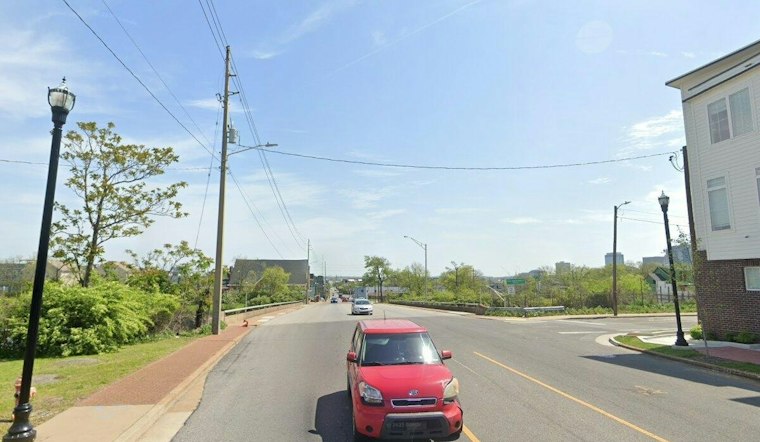
Washington later told the Banner, in a 2021 interview, that he had been raised among the musicians he came to represent and simply loved the music and his friends from that world. Jefferson Street itself, once lined with churches, Black-owned businesses and music venues, had hosted legendary performers including Jimi Hendrix, Ella Fitzgerald, Tina Turner and James Brown, the outlet noted. The corridor's nightlife and many of its residents were uprooted in the late 1960s when I-40 construction cut through the neighborhood, a disruption that, according to the National League of Cities, displaced nearly 1,400 residents and drew warnings from activists that it would isolate the community and damage Black-owned businesses.
From Soul Shack Records to a Chart Hit
Washington's own path into the music business began in the early 1970s, when he founded Soul Shack Records and Boutique, according to Jefferson Street Sound. Working as a producer through the decade, he partnered with Moses Dillard and Jesse Boyce, and in 1976 the trio released the Saturday Night Band single “Come on Dance,” which climbed to No. 2 on the charts.
That grounding in the neighborhood's music scene eventually led him to open his own home to the public. The Axios reports that Jefferson Street was once home to more than 20 music venues where iconic Black artists including Etta James, Little Richard and Ray Charles performed, a history Washington set out to preserve when he launched the nonprofit museum in 2011. He built what he called the Jefferson Street Music Tree, a visual record that, as he explained in a PBS interview, included over 150 artists and musicians tied to the corridor.
Recognition From Nashville and Beyond
Washington's efforts to document what PBS described as Jefferson Street's golden age, spanning 1935 to 1965, drew honors from across the music world in his later years. In 2024, the National Museum of African American Music recognized him with an exhibit called “Living Legends: Lorenzo Washington.” Axios reported that Washington received the Keeping the Blues Alive Award from the Memphis-based Blues Foundation earlier in 2025.
The museum's standing kept growing even as Washington's health declined. It was added to the U.S. Civil Rights Trail earlier in 2026, the Banner reported, cementing its place alongside sites documenting the long arc of Black history across the South. The U.S. Civil Rights Trail notes that Jefferson Street served as a center of Black creativity and activism from the 1940s through the 1970s, the very era Washington devoted his museum to documenting.
City Support and a Street Still Being Rebuilt
Nashville's Metro Council had previously appropriated $80,000 from the American Rescue Plan to the museum, funding intended to support upkeep, marketing, community outreach and music education, according to NewsChannel 5. The investment reflected a broader civic effort to repair some of the damage done by the interstate's construction decades earlier; a draft Jefferson Street Corridor Study now under consideration proposes safer intersections, wider sidewalks, improved pedestrian crossings, more trees and public gathering spaces, with the corridor divided into five subdistricts including Entertainment, University, Arts, Business and Gateway to Heritage, the station reported separately.
Supporters also built public celebrations around Washington's work while he was alive to see them. The Third Annual Lorenzo Washington Day Gala was held April 3 at the Millennium Maxwell House Hotel, an event meant both to celebrate his legacy and raise funds for the museum's continued operation.
Washington is survived by his wife, Karen Coffee, and four children: Dwayne, Tracey, Pat and Ryan. A funeral service is planned for Oct. 31, though the location had not been confirmed as of the Banner's report.


