

























































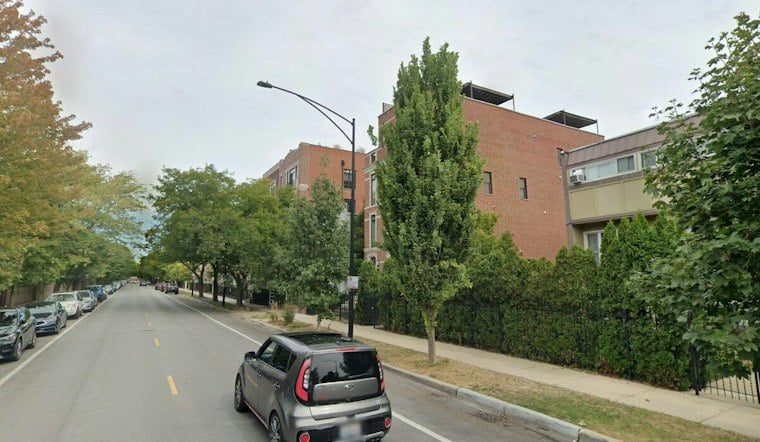
Piles of Brazil nuts and walnuts have been turning up outside a Lincoln Park home for a few years now, and neighbors say the mess has drawn far more than squirrels. One resident says he recently counted 42 rats digging holes near the nut piles and running through the surrounding park, a problem the local alderman says has only gotten worse since the city started issuing tickets.
The piles first began appearing outside the home a few years ago, attracting a swarm of squirrels almost immediately, according to WGN-TV. Lincoln Park resident Caroline Novak told the station the food wasn't the usual scraps critters find on their own. “I'm talking Brazil nuts and walnuts…these are not acorns,” she said. Workers carrying matching shoulder bags have also been spotted dumping piles of nuts a few blocks away inside the park itself, WGN reported, and a landscaping crew has been seen sweeping up nuts and other debris outside the home while squirrels searched the property.
Neighbor Counts Dozens of Rats Near the Feeding Site
David Pike, who lives nearby, said the nut piles have essentially created an all-you-can-eat buffet for rats and squirrels alike. He told WGN he counted 42 rats digging holes near the piles and running rampant through the park, and said he simply wants the rodents gone so his kids can play there again without worry. Another neighbor, Zach Fatla, said the rats showing up near the feeding site seemed different from the rodents typically spotted in nearby alleys.
43rd Ward Alderman Timmy Knudsen said the city has traced the feeding activity back to a specific homeowner, who he says has already received fines and a warning letter threatening further action. According to a letter Knudsen sent the homeowner on Aug. 25, the city alleges the person is in violation of Chicago's dumping laws. The Department of Streets and Sanitation told WGN it has issued multiple warnings and citations for the same conduct, and that fines have already been paid.
City Letter Alleges Daily Feeding Continued Despite Fines
The alderman's letter states that city inspectors visited the property multiple times and documented the homeowner or on-site staff placing food outside daily for squirrels and other wildlife, even after citations and fines were issued. Per that letter, the feeding has created what the city calls a public health hazard by attracting flocks of pigeons along with a rat infestation. Knudsen told WGN the goal is simply to stop feeding that's causing problems in a dense residential neighborhood — but so far, tickets haven't solved it. “The feeding has increased since we've been ticketing them,” he said.
When WGN visited the home, a woman who answered the door declined to give her name. She initially denied that the city had fined the homeowner, but after being shown a copy of the city's letter, she would only say she had no comment.
Rats Thrive Wherever Food and Clutter Pile Up
The episode fits a pattern researchers have documented across the city. Lincoln Park Zoo researchers studying the ecology and health of Chicago's rats have found that the animals thrive wherever supplemental food from garbage is available and clutter offers shelter and cover — and that alleys with more uncontained garbage tend to have more rats. The city's own guidance for residents is blunt on the subject, warning them not to feed squirrels, raccoons, deer or other wildlife, and its sanitation department has said exposed garbage is the primary reason rodents proliferate in the first place.
Chicago's rat problem is citywide and, by some measures, improving on paper: the city logged about 44,000 rodent-baiting or rat complaints through 311 in 2025, down from nearly 66,000 in 2021, according to U.S. News. Still, a city watchdog audit found the current rodent-abatement program is unlikely to achieve long-term control of the population because it leans on reactive responses rather than proactive solutions, as reported by NBC Chicago. That audit found the Bureau of Rodent Control did not survey or monitor the root causes of infestations over time, instead treating individual 311 complaints as the trigger for action.
Lincoln Park Already Testing Rat Birth Control
Lincoln Park has become something of a proving ground for a different approach: rat contraceptives. A pilot program spearheaded by Knudsen is running for six months and compares streets treated with rat birth control against streets left untreated, according to CBS News Chicago. City officials said they expected initial data from that pilot by summer 2026 to help decide whether to expand it further.
Similar trials have already shown promise elsewhere in the city. A rat birth-control program in Wicker Park and Bucktown, run through Special Service Area No. 33 in partnership with Arizona-based SenesTech using its Evolve product, recorded an 88 percent reduction in the density of rat tracks on monitoring sensors between August and January, per Block Club Chicago. That trial began in 2025 and expanded in 2026, and Chicago's North River Commission now plans to launch a similar pilot in Albany Park in late October, using the same fertility-targeting product, as reported by WTTW. Rodent birth control is meant to work alongside other abatement techniques, like cutting off food sources and sealing entry points — the same fixes at the heart of the complaints in Lincoln Park.





