

























































A lump in a woman in her 20s raises a question distinct from when routine screening begins: whether a change needs medical attention. Kendall Windlan, a Nashville woman who was 24 when she received a breast cancer diagnosis, had noticed a small lump months earlier but assumed her age and health meant it was nothing serious.
Windlan’s doctors ordered additional testing after a routine yearly checkup, according to WSMV. She learned of the diagnosis in August 2024, three months before her November wedding. She later described being shocked by the news.
Windlan and her now-husband Josh kept their wedding date, while she navigated treatment and wedding preparations. WSMV reported that she began four rounds of chemotherapy the week after the ceremony, followed by 20 rounds of radiation. Treatment lasted roughly eight months, after which she was declared cancer free.
A Medical Team That Became Family
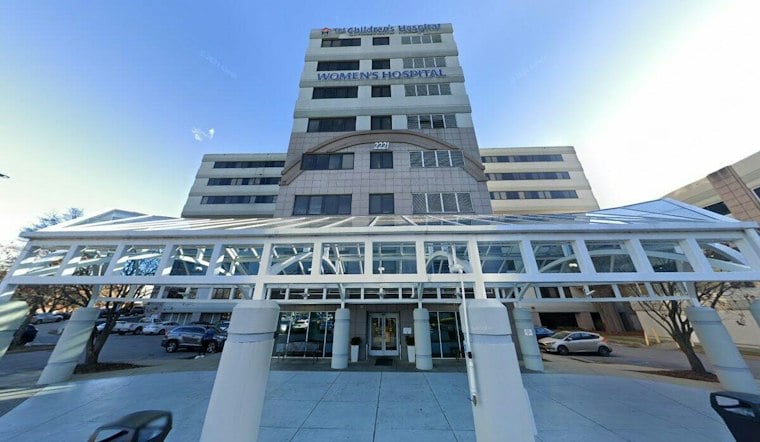
Windlan credited her care team at TriStar Centennial Women's Hospital with supporting her through treatment, telling WSMV the group became like family. Mammographer Jacque Bottoms said patients Windlan’s age are uncommon but not unheard of; her youngest patient to date was 19. Bottoms also said Windlan’s willingness to share her experience can encourage others to seek care.
Bottoms urged women under 40 not to wait for an invitation to routine mammography, which typically begins at 40 for people at average risk. Younger women may notice changes themselves, she said, and should periodically check their breasts.
When to Call a Doctor Before Booking a Scan
Bottoms advised that anyone who notices a lump, new rippling in the skin, or a nipple that suddenly turns inverted should contact their doctor before scheduling a mammogram on their own, so the physician can make sure the right type of imaging gets ordered. That guidance tracks with the broader screening landscape nationally. The U.S. Preventive Services Task Force recommends that women get screened every other year starting at 40 and continuing through 74, a standard that applies to people assigned female at birth who are at average risk — not to those with high-risk conditions such as BRCA1 or BRCA2 gene variants or a prior history of high-dose chest radiation.
The American College of Obstetricians and Gynecologists made a similar call in its own updated guidance, recommending that average-risk individuals begin screening mammography at 40, a position the organization says aligns with the Task Force, the National Comprehensive Cancer Network, the American College of Radiology, and the Society of Breast Imaging, according to ACOG. The group also pointed to a worrying trend behind the update: new cases of invasive breast cancer among women ages 40 to 49 rose by an average of 2% per year between 2015 and 2019.
A Broader Rise in Younger Patients
Windlan's case fits into a pattern researchers have been tracking for years. Data compiled by Columbia University's Mailman School of Public Health found that breast cancer incidence in women under 40 increased by more than half a percent per year across 21 states between 2001 and 2020, with the Western United States seeing the steepest climb. The same analysis found non-Hispanic Black women had the highest incidence of early-onset breast cancer among the groups studied.
Nationally, breast cancer incidence among women under 50 has been climbing by about 1.4% annually, according to the American Cancer Society's figures cited by CBS News Sacramento. That outlet profiled Rocklin, California jewelry designer Jessica Pearce, who found her own lump during a self-exam at age 30 and was later diagnosed with breast cancer — a case UC Davis Health specialists cited in encouraging women to start discussing breast cancer risk with a doctor as early as age 25, even though routine mammograms still generally begin at 40 for those at average risk.
Questions to Raise With a Care Team
A new lump or other breast change is a reason to contact a clinician even if someone is not yet due for routine screening. NIH MedlinePlus advises people to discuss breast changes with a doctor as they occur; evaluating a symptom is distinct from scheduling a routine screening mammogram.
For young adults facing chemotherapy, fertility is another topic to raise before treatment begins. According to The ASCO Post’s report on the ASCO guideline update, clinicians should discuss possible infertility and fertility-preservation options as early as possible so patients can consider the available options. The account of Windlan’s treatment does not establish her fertility plans or whether treatment affected her fertility.
For now, Windlan's message mirrors the one coming from mammographers like Bottoms: age alone isn't a reason to ignore a change in your body. She went from planning a wedding to planning chemotherapy sessions within the same season of her life, and she's hoping her story convinces at least one more young woman to get a lump checked instead of waiting it out.




