

























































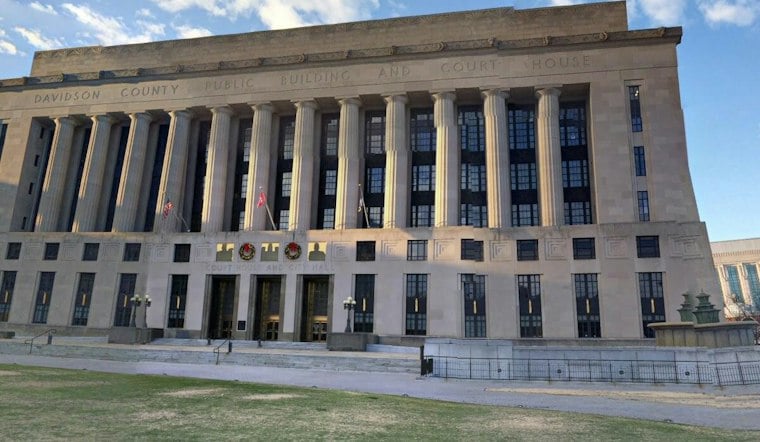
Right now, if a rezoning proposal lands on your block in Nashville, the only people guaranteed to get a mailed heads-up are the property owners — not the people who actually live there. A new bill moving through Metro Council wants to change that, requiring notices to reach every known address, including renters and business tenants, within 1,000 feet of a proposed rezoning.
What the Right to Know Bill Would Actually Do
The legislation, known as BL2026-1610 and sponsored by Metro Councilmember Rollin Horton, would require notices to every known address within 1,000 feet of a rezoning proposal, according to Fox 17. That means Nashville residents who rent their homes and business owners who lease their storefronts would start receiving the same mailed notices that have historically gone only to landlords and property owners. The notices would include a brief description of the rezoning proposal along with information about the Metro Council public hearing where residents could weigh in.
Horton has framed the measure as a matter of basic fairness, saying it is meant to include roughly half of Nashville residents who rent their homes in conversations about changes happening around them. On his own newsletter, Horton wrote that notices are only sent to landlords and property owners under the current system, according to West Side Stories — leaving out exactly the people most likely to be directly affected by what gets built or changed next door.
Who Pays and When It Would Kick In
The bill would not touch every construction project allowed under existing zoning rules; it would not create a mailed notice requirement for that broader category of building, the station's report notes. Instead, it keeps the existing rezoning notification trigger in place and simply widens who receives the mailer once that trigger is pulled. The Metro Planning Department would manage the process, with developers covering the mailing costs — estimated at around 25 cents per notice, per the same account.
If the bill clears the council, it would not take effect until January 1, 2028. That delay reflects how much legislative runway remains: the measure still has to move through the normal process, and Horton has said its second reading could slip into February 2027 because of the council's holiday schedule. The reporting is split on exactly how much support Horton has lined up so far — Fox 17 reported that 14 colleagues had signed on as co-sponsors before the bill's scheduled first reading, while Horton's own newsletter put the figure at 13.
Why Renters Make Up So Much of the Conversation
The push lands in districts where renters are not a small slice of the population but the overwhelming majority. Fox 17's district-level breakdown found renter shares of 77.97% in District 21, 76.64% in District 19, and 73.03% in District 17 — numbers that help explain why a bill built around renter notification has found traction on the council.
The broader housing math in Nashville adds weight to the debate. A 2021 Nashville Affordable Housing Task Force report found that 44% of renters were cost-burdened and projected the city would need 52,498 new affordable units by 2030, according to NCRC. Across the Nashville region, 128,488 renters were spending more than 30% of their incomes on rent, the group reported. Mayor Freddie O'Connell released the city's first Unified Housing Strategy in April 2025, which anticipates roughly 175,000 new residents by 2034 and about 90,000 additional housing units needed in Davidson County alone — a response to a metro population that grew more than 20% between 2010 and 2020.
How Other Cities Handle Tenant Notice
Nashville isn't alone in wrestling with how much warning renters deserve before redevelopment reshapes their block. In Austin, a second-draft ordinance outline and recommendations by Heather K. Way discuss a draft definition of “multifamily redevelopment” and recommend adding a large, bold notice form for prospective tenants to sign confirming they were informed, according to the City of Austin. In Athens, Alabama, a rezoning fight played out in public after nearby residents objected that a proposed neighborhood business district would bring added traffic, noise, lighting and parking, as The Decatur Daily reported. The council president there ultimately tabled the vote to get more detail before deciding.
For now, Nashville's process still runs through the Metro Clerk's office, which maintains council legislation and holds zoning public hearings on the first Tuesday of each month at 6:30 p.m., according to the city's own guidance. Horton's bill would widen the circle of people receiving notice, which would include information about the Metro Council public hearing.





