

























































New York State does not require every registered sex offender to stay home on Halloween. The restriction, which can include a curfew starting as early as 3 p.m., applies specifically to people who are currently on state parole or county probation.
That distinction comes from a report by mytwintiers.com, which states plainly that “not everyone on New York’s sex offender registry has to stay home on Halloween.” According to the same report, the restrictions can include “staying home starting as early as 3 p.m. on Halloween and remaining there until the next morning,” but only for those under active supervision. The distinction matters in a region like Western New York, where hundreds of names sit on the state’s sex offender list, according to the New York State website cited in a report from 106.5 WYRK.
For those who are under supervision, the rules go beyond simply staying indoors. The outlet reports that people under supervision in Chemung County “are not allowed to hand out candy, wear costumes, or have any decorations on their property.” Parole and probation officers then follow up with compliance checks around the holiday to confirm people are sticking to those terms, the report notes.
Who Actually Faces the Curfew
The confusion over who is covered isn’t new, and at least one local law enforcement official has tried to clear it up directly. Lieutenant Craig Bianco told mytwintiers.com in a separate report that “a general New York State sex offender doesn’t have any stipulations on Halloween” if that person isn’t on probation or parole. In other words, simply appearing on the statewide registry, which WYRK’s report frames as including hundreds of entries across Western New York, does not by itself trigger a curfew, a costume ban or a candy prohibition.
The enforcement side of this runs through a program called Operation Halloween, which New York’s Department of Corrections and Community Supervision uses to monitor sex offenders under its supervision on the night itself. Per a report from 981thehawk.com, sex offender parolees must remain inside their homes starting in the early afternoon on Halloween, or after finishing work or an approved community program, and stay there “until 6 a.m. on November 1.” The same report notes that parole officers aren’t simply trusting people to comply: “their parole officers will be making calls throughout the night, as well as conducting unannounced curfew visits.”
Local Numbers and Oversight
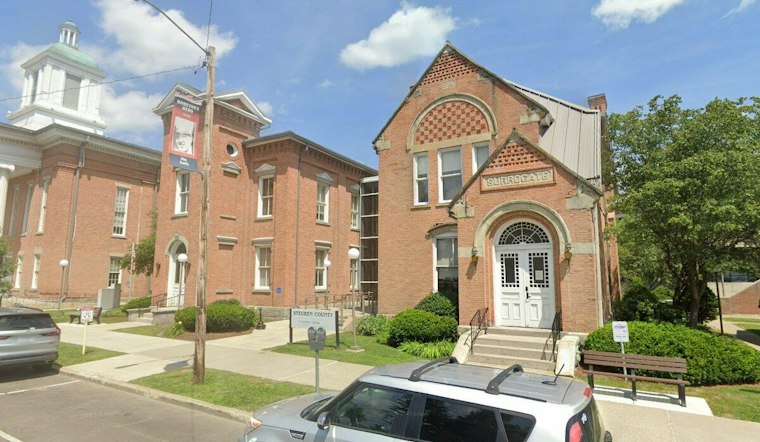
In the Twin Tiers region specifically, the registry counts as of October 2 stood at 299 in Chemung County, 442 in Steuben County, and 48 in Schuyler County, per mytwintiers.com’s report. Those figures reflect the full registry, not a breakdown of how many of those individuals are currently on parole or probation, and the station’s report does not specify that split. Sheriffs in certain counties are tasked with checking that offenders under supervision are actually home on Halloween night, WYRK reported, which lines up with the compliance-check process described by mytwintiers.com.
How long someone stays on New York’s registry at all depends on a separate legal process. According to the New York State Division of Criminal Justice Services, a judge determines whether an individual is designated a sexual predator, sexually violent offender or predicate sex offender, and that risk level and designation determine the duration of registration. Separately, the division’s registry FAQ page says anyone who was on parole or probation, or incarcerated, for a sex offense on January 21, 1996, must register with the state.
For families in the region gearing up for trick-or-treating, the layered system of curfews, compliance checks and Operation Halloween monitoring is framed by WYRK as part of the state’s broader effort to protect children during the holiday. The report notes that parents have expressed thanks for those protections, even as the rules themselves remain narrower in scope than a blanket restriction on everyone listed in the registry.





