

























































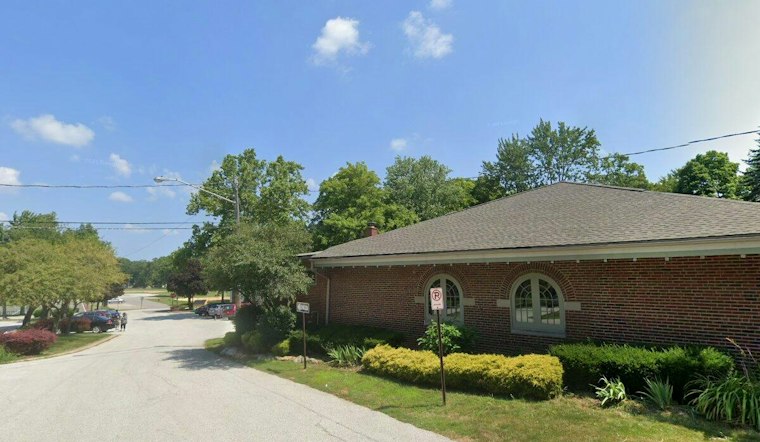
North Olmsted is buying its own 12-passenger van for the Senior Center, a move city officials say will save money as outside transportation costs keep climbing. The 2026 Ford E-350 will seat 12 riders and include two wheelchair positions, and the city expects it to arrive before the end of 2026 with rides starting in early 2027.
The $124,350 vehicle is being purchased through the TIPS cooperative purchase program from Bus Service Inc., according to Cleveland.com. North Olmsted secured a $100,000 grant from the Northeast Ohio Areawide Coordinating Agency to help cover the cost, and the city is contributing $24,350 of its own money toward the purchase. That split reflects standard terms for NOACA's Enhanced Mobility Section 5310 program, which funds 80% of eligible capital projects while requiring communities to cover the remaining 20% themselves, per NOACA.
Rising Private Transportation Costs Pushed the Decision
Tim Pinchek, North Olmsted's director of recreation and public engagement, said the city began considering its own van amid rising prices from private contractors, the report states. He said North Olmsted wanted a cost-saving alternative that would still keep local-trip transportation available for seniors, and he said the new van is expected to save money while providing additional transportation at a reduced cost.
Part of the financial pressure comes from Senior Transportation Connection, the regional provider North Olmsted's Senior Center will continue relying on for members' medical appointments. Tiffany Hunt, the Senior Center's administrator, said STC currently charges the city $46 each way for older adults riding an STC van, the outlet reports. STC has proposed a 3% price increase for 2027 that would push the city's cost to $47.38 each way under that plan.
A Cheaper Option for Local Outings
Separately, North Olmsted currently charges riders between $3 and $10 each way depending on the destination for its existing transportation options, the report notes. Under the new van program, the Senior Center plans to charge riders just $2 each way to attend Senior Center programming, according to Hunt. Hunt said the wheelchair-accessible vehicle will provide more cost-effective service to older adults, and she said the center is excited to finally have its own van, adding that it will give the center more flexibility in its transportation service.
Hunt said the Senior Center plans to use the van for local group trips to nearby museums, plays, sporting events, the West Side Market, the aquarium and the zoo. Riders needing transportation for medical appointments will still go through STC, which generally serves seniors age 60 and older within a participating provider's jurisdiction, according to ridestc.org. That service requires trips to be scheduled at least three business days in advance, with bookings allowed up to three weeks out, and first-time users must complete pre-registration before riding.
Neighboring Suburbs Face the Same Squeeze
North Olmsted isn't alone in chasing grant money to keep senior transportation affordable. Olmsted Falls is seeking NOACA funding to restart a senior transportation program it had to cut years ago because of rising costs, the news organization reported in May. That city is eyeing a nine-passenger van with one wheelchair space and is requesting $131,787 total — $106,787 for the vehicle and $25,000 for operating costs — while covering a combined local match of $33,858. One private provider had quoted Olmsted Falls $60 for a round trip, and the city has also discussed sharing a van with Olmsted Township to cut costs and improve service reliability. Fairview Park, meanwhile, is pursuing its own 80/20 NOACA grant for an additional 12-passenger minibus with a wheelchair lift, a $123,936 purchase that would have the city paying $24,787 out of pocket. Fairview Park's program already serves 329 registered riders, including 174 with a mobility issue, and its fleet logged 3,065 trips in 2025 alone — a total that has grown 5% over the past five years.





