

























































Memphis flipped the switch Friday on its first Connecting 901 fiber activation in Orange Mound, wiring the neighborhood's community center, public library and Melrose High School's stadium with free public Wi-Fi and faster internet service. The timing lined up with Melrose High's senior night and the team's final home football game of the season, turning a technology rollout into a neighborhood block party.
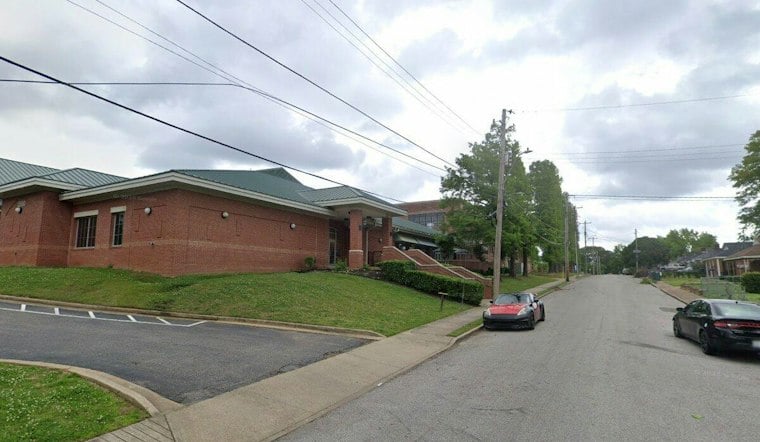
The City of Memphis hosted the inaugural Connecting 901 Smart Memphis Fiber event at the Orange Mound Community Center, according to Action News 5. The new internet lines activated that day link the community center, the Orange Mound Library and the Melrose High School stadium, giving residents faster connections, free public Wi-Fi and wider access to technology all in one stretch of the neighborhood.
The launch is part of a much larger buildout. The City of Memphis says its privately financed partnership with mStreet Fiber represents an investment of more than $700 million, with a goal of reaching at least 85% of Memphis homes and businesses — including 85% coverage specifically targeted at low-income neighborhoods. As of September, the project had passed roughly 80,000 residential and commercial addresses, with a target of 160,000 addresses by the third quarter of 2027 and more than 300,000 addresses once the buildout is complete, per the City of Memphis.
How the City Sweetened the Deal for Private Fiber Investment
To get a private company to commit that kind of capital to historically underserved zip codes, Memphis and Shelby County's Economic Development Growth Engine, known as EDGE, approved a 15-year Payment-in-Lieu-of-Taxes agreement in February 2024 that includes a 75% personal property tax abatement for the broadband installation, according to the City of Memphis. The incentive was designed to make it financially workable for a private provider to build across multiple neighborhoods rather than cherry-picking the most profitable blocks.
That matters because, before these municipal fiber initiatives, fewer than 25% of Memphis households had access to high-speed fiber internet, with service concentrated almost entirely in wealthier areas, the City of Memphis notes. The city's broader infrastructure push also secured dedicated fiber connections to more than 100 anchor institutions citywide — including community centers, libraries and public venues — meant to function as public Wi-Fi hubs and smart city nodes, with Orange Mound serving as the initial testing ground for those sites.
New Tech Labs Pair Youth and Seniors
Beyond the internet lines themselves, Friday's event introduced two new technology labs at the community center, one geared toward students and one toward senior citizens, Action News 5 reports. The day included a Senior 2 Senior session pairing high school seniors with neighborhood senior citizens to work through digital tools together, giving residents of all ages a hands-on entry point into workforce training and digital literacy programming tied to the new network.
City officials and mStreet are positioning Orange Mound as a working model for pairing fiber infrastructure with programming and community partnerships, with the stated intent of refining and replicating that framework in future Memphis neighborhoods, per the station's report.
A Neighborhood Built on Black Homeownership
Choosing Orange Mound as the pilot site carries weight beyond the fiber lines themselves. Established in 1890 on land that was once part of the Deaderick Plantation, Orange Mound was designed by developer Elzey Eugene Meacham as the first residential subdivision in the United States planned specifically for African Americans to own land, as Hoodline's coverage of a recent land trust groundbreaking has detailed.
That early promise of ownership collided decades later with federal redlining. Home Owners' Loan Corporation maps from the 1930s labeled Orange Mound as hazardous, according to the University of Richmond Digital Scholarship Lab, a designation that fed decades of disinvestment and suppressed residential property values across the neighborhood. The digital divide the Connecting 901 launch aims to close has roots in that same pattern of exclusion.
Memphis's Long-Standing Digital Divide
The scale of the problem is not new. A 2018 study by the National Digital Inclusion Alliance, drawing on U.S. Census Bureau data, ranked Memphis fifth among large U.S. cities for severity of its digital divide, finding that roughly 49% of households lacked a fixed broadband subscription, according to Smart Cities Dive. The Brookings Institution noted in April 2024 that municipal public-private broadband partnerships like this one directly address a pattern of urban digital discrimination, in which low-income neighborhoods are stuck with outdated copper DSL lines while wealthier areas get fiber upgrades.
Orange Mound's digital equity milestone arrives against a complicated backdrop for the neighborhood. Hoodline previously reported that Orange Mound saw murders spike 60% even as the rest of Memphis experienced a historic crime drop, and the community has also seen fresh investment through the ongoing revitalization of the Orange Mound Tower as a Black innovation hub. Whether the city and mStreet can hit their 160,000-address target by late 2027 while keeping service affordable once introductory pricing ends remains an open question as the rollout continues.



