

























































The Summit Mosquito Abatement District wants a property tax increase for the first time since it was created in 1983, asking the Summit County Council to approve a nearly 31% jump in its levy that would generate roughly $202,816 a year. The agency, which handles mosquito control, extermination and disease testing across most of the county, says rising operational and personnel costs are behind the request after more than four decades without a rate hike.
What the Increase Would Actually Cost
According to the Park Record, the proposal would add 40 cents for every $100,000 of a property's taxable value, and the district says the change would add no more than $5 to the average Summit County homeowner's annual bill. The outlet also reported that an average homeowner with a property valued around $1.2 million would pay an additional $2.73 a year, while separately noting that the total annual bill for a $1.2 million home would rise from $8.85 to $11.62 — a discrepancy the newspaper's own figures leave unresolved. Nearby KPCW similarly reported that the median Summit County residence would pay $2.73 more each year.
The district's boundaries cover all six of Summit County's municipalities along with its unincorporated areas, and an 11-member board of directors oversees its policies and budget. Eight of those board seats are appointed by municipal city councils, while the Summit County Council appoints the remaining three at-large members, per the district's reporting to the county.
Why the District Says It Needs More Money
District officials, through Bryan Stevens, told the county council the agency hopes to raise taxes to cover increased operational and personnel costs tied to inflationary pressures. Stevens said the district has gone 43 years without requesting a property tax increase, and that the current ask is needed to raise revenue and cover rising expenses. Some of the additional money would go toward educational materials on West Nile virus and nuisance mosquitoes, including pamphlets and door hangers distributed around the county.
County Councilor Tonja Hanson said she understands the district's need for additional revenue as operating costs climb, and called the request small enough to be palatable for both the county council and taxpayers, the Park Record reported.
West Nile Activity Reported Locally and Statewide
Stevens said one mosquito pool in northern Summit County tested positive for West Nile virus, and that a couple of horses in the county also tested positive this year. The district collects adult mosquitoes through surveillance and sends them to the state lab for testing, Stevens said. Separately, EquiManagement reported that an unvaccinated Missouri Fox Trotter gelding in Summit County tested positive after becoming ataxic and was ultimately euthanized, part of eight new equine West Nile cases reported across Indiana, Michigan, California and Utah.
Infected mosquitoes spread West Nile virus, which can cause fevers, headaches, vomiting and rashes, and severe cases can affect the nervous system and prove fatal. Stevens noted that Summit County doesn't typically report a significant number of mosquito-related illnesses even as West Nile virus cases have risen overall statewide. A statewide tally from BasinNow found 539 mosquito pools across Utah had tested positive for the virus as of Aug. 1, along with four human cases reported statewide at that point in the season.
What Happens Next
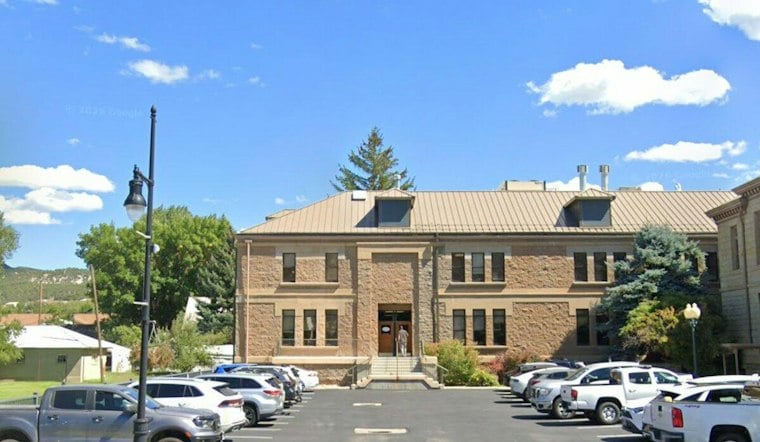
Summit County government will hold a public hearing on the proposed tax increase at the county courthouse in Coalville on Dec. 9 at 7 p.m. The Summit County Council must approve the increase after that hearing for it to take effect. Under Utah's Mosquito Abatement District Act, a district may impose an additional levy to raise needed funds once the required votes are secured, while state tax code requires taxing entities seeking to exceed their certified rate to disclose the date, time and place of a public hearing before doing so.




