

























































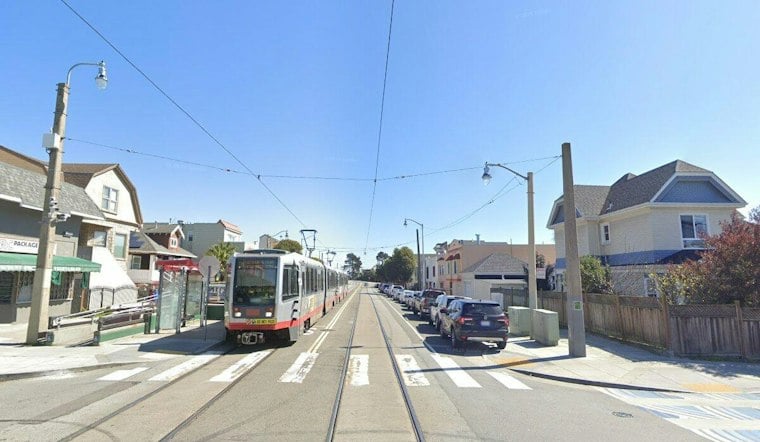
Keron Lamotte was 22 years old and simply watching an artist paint a mural when he was shot and killed at the intersection of Plymouth Avenue and Broad Street in San Francisco's Oceanview neighborhood on October 7, 2016, at approximately 7:06 p.m. Ten years and one day later, no one has been arrested, and the San Francisco Police Department is renewing its appeal for information with a six-figure reward still on the table.
According to the San Francisco Police Department, Lamotte was shot and killed as he watched an artist painting a mural on the side of a building at that intersection. A second man was also shot in the same incident but survived, while Lamotte was pronounced dead at the scene, as reported by KRON4.
Investigators have said the case may not involve a single shooter. Police told KTVU, “We do believe that there are multiple suspects in this case.” Witnesses at the time reported seeing multiple people running from the scene along with vehicles fleeing the area immediately after the shooting, the station's report adds.
A Reward That Has Shifted Over the Years
The SFPD's case page for Lamotte now states that the department has authorized a $250,000 reward for information leading to the identification and filing of charges against the suspect or suspects responsible for his murder. That figure has not stayed constant in public reporting over the years. A 2022 account from the same KRON4 report described the reward as $200,000 at the time, tied to information that would lead to the arrest and successful prosecution of the killers, while a separate account from KTVU said the reward had grown to $100,000 as of 2021. The department's current case page reflects the $250,000 figure as the amount now authorized.
SFPD's broader Homicide Reward Fund offers rewards ranging from $50,000 to $250,000 for information that leads to the filing of criminal charges, per the department's cold case listings. The agency defines a homicide cold case as one that is on hold primarily due to a lack of witnesses or other promising evidence, the same listings note — a description that appears to fit where Lamotte's case currently stands. Investigators previously told KTVU that the trail in the case had gone cold.
A Corner With a Violent Recent History
The Plymouth Avenue and Broad Street corner where Lamotte died was not an isolated flashpoint. Since October 2016, the small Oceanview neighborhood straddling the San Francisco and Daly City border saw four homicides, with at least three of them occurring near that same corner, according to the San Francisco Examiner. Among them was the January 23, 2017 shooting death of Josiah Lightfoot near the same intersection, the Examiner reported. A San Francisco supervisor at the time said the corner had seen three homicides in the preceding six months alone.
Anyone with information about this or any other homicide case is asked to contact the SFPD Homicide Detail at (415) 553-1145. You may also call our anonymous tip line at (415) 575-4444 or Text-a-Tip to TIP411, beginning the text with “SFPD”.
San Francisco Police is urging anyone with information about Lamotte's killing, or any other unsolved homicide, to contact the SFPD Homicide Detail at (415) 553-1145, or the Department Operations Center after hours at (415) 553-1071. Tipsters who want to remain anonymous can call (415) 575-4444 or text TIP411 with a message beginning with “SFPD,” per the department.
The department also notes there is no statute of limitations on homicide cases, meaning cold cases like Lamotte's can be reopened at any time if new information surfaces. For a family that has waited ten years and one day for answers, that detail leaves the door open, even as the specifics of who pulled the trigger — or why — remain unresolved.



