

























































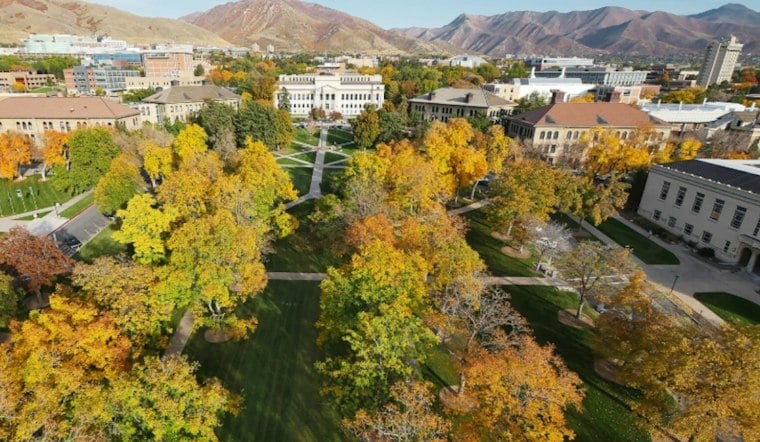
The University of Utah wants to pay up to $21 million for a rare parcel of land bordering its campus — the current home of the Carmen B. Pingree Autism Center of Learning at 780 S. Guardsman Way. The university received approval on October 2 to bid on the property, which sits at the corner of Guardsman Way and Sunnyside Avenue and includes an existing building and about 5.3 acres of land.
A Rare Opening Next to a Landlocked Campus
The Utah Board of Higher Education signed off on the university's use of state funds for the bid, according to The Salt Lake Tribune. University President Taylor Randall said the U rarely sees blocks of land come up like this, adding that the university has several possible uses for the property and describing it as strategic real estate for the expanding campus.
The funds for the bid come from a legislative capital-project pool the Utah Legislature created in 2019, the Tribune reports. After this bid and a pending Marriott Library archives request, the university expects to have about $22 million remaining for future capital projects.
Pingree Center Plans a Move West
The Carmen B. Pingree Autism Center of Learning, which has served the community for 25 years and currently serves 80 children, plans to relocate to the west side of Salt Lake County. Julie Winn, vice president of children, youth and family services at Valley Behavioral Health — which oversees the center — said the relocation will occur in 2028, per the Tribune's reporting.
The center's current site was built on donated land adjacent to Fort Douglas and opened in November 2002, according to the University of Utah College of Education. The program traces back to a preschool launched in 1980 by parent advocate Carmen Boyden Pingree before it expanded into the custom-built facility.
Fitting Into the College Town Magic Vision
The Pingree property sits along the same Guardsman Way corridor where the university opened the $38 million Charlie Monfort Field at America First Ballpark in January, a 3,000-capacity on-campus stadium that ended the baseball team's nearly three-decade run sharing Smith's Ballpark downtown, according to Utah Utes Athletics. The U also received the final 50 acres of historic Fort Douglas in summer 2026 after the U.S. Army Reserve agreed to move out, with plans to use that land for student dorms and office buildings.
Randall promotes what he calls the College Town Magic vision, aimed at transforming the university from a commuter campus into more of a destination. The U is geographically boxed in by the Wasatch Mountains on its east bench, as @theU has noted, making adjacent parcels like the one along Guardsman Way prime targets for long-term expansion.
Budget Cuts Running Alongside the Land Push
Even as it pursues new property, the university faces financial strain. It anticipates a $10.6 billion budget for fiscal 2027 but is projecting declines in operating margin and student enrollment, with expenses outpacing revenues, per the Tribune. The university plans to lay off or leave unfilled up to 855 staff members and scale back retirement benefits for new hires.
The U is also closing its satellite campus in Sandy. That closure, set for January 1, 2027, is meant to help satisfy a $19.6 million budget reallocation mandated under Utah House Bill 265, according to Higher Ed Dive. That Sandy location served about 660 students taking general education courses roughly 15 miles south of the main Salt Lake City campus.
HB 265, enacted in March 2025, mandated a statewide $60.5 million higher-education budget reallocation, including the $19.6 million carved from the University of Utah's instructional budget, forcing public universities to cut underperforming programs and shift funds toward high-demand workforce fields over three years. Utah public universities cannot raise tuition to offset those reallocations and must submit approved three-year plans to reclaim the funds, per the Utah Legislature.
The Utah Board of Higher Education separately approved the university's plan last year to eliminate 81 academic programs — including nearly 30 master's degrees, 15 doctoral degrees and 30 undergraduate degrees or certificates — due to low enrollment and the legislative mandates, Higher Ed Dive reported at the time. The university's broader workforce reductions, covering between 5% and 15% of its roughly 5,700 non-faculty and non-clinical positions, are expected to run through June 2027, according to the Economic Times, with officials pointing to federal funding cuts, rising expenses and anticipated multi-year drops in college-age demographics starting in 2032.
The pattern isn't unique to Utah. U.S. colleges and universities have also faced workforce cuts, as reported by AcademicJobs.com.





