

























































The 32nd Black Harvest Film Festival runs November 6–15 at the Gene Siskel Film Center. Its program features more than 75 films from 18 countries, including 60 Chicago premieres, nine features and 10 short-film programs, according to Reel Chicago. Chicago Reader reports that more than 50 filmmakers are expected to attend.
What shaped this year’s selection
Curator Jada-Amina told Block Club Chicago that the festival received more than 600 submissions, the largest pool she has seen since taking over in 2022. She said the program includes more experimental work. The figure reflects her experience as curator, not a verified all-time festival record.
The festival was co-founded by Sergio Mims in 1994; he remained a consultant until his death in 2022, according to the School of the Art Institute of Chicago. In Block Club Chicago’s account, Jada-Amina described the festival’s mission as supporting films made by Black creators for Black audiences and giving Black artists room to circulate their work.
Awards and festival dates
The Richard and Ellen Sandor Family Black Harvest Film Festival Prize will award $5,000 to a feature and $2,500 to a short, double the amounts reported for last year, according to Reel Chicago. Opening night on November 6 features four short films, Block Club Chicago reports. The festival ends November 15 with a screening of Gordon Parks’ 1984 film Solomon Northup’s Odyssey, according to Reel Chicago.
The Chicago-focused shorts program From the Block returns with 10 films by local filmmakers, according to Chicago Reader. The lineup also includes the feature Dreams in Nightmares, identified by Block Club Chicago as a 2024 film directed by Shatara Michelle Ford.
A broader industry measure
A separate industry finding offers context, but does not answer how often Black actors appeared in leading roles: The Hollywood Reporter’s account of UCLA’s Hollywood Diversity Report says 2023 theatrical films with casts that were 41 to 50 percent BIPOC had the highest median ROI (1.1) among the cast-diversity categories discussed. That measure concerns cast composition and return on investment, not leading-role representation or the Black Harvest lineup.
Black audiences and media representation
In broader national context, Nielsen reported that 71% of Black audiences often feel misrepresented in media, compared with half of audiences overall. The finding concerns media representation nationally; it does not measure Black Harvest attendees or ticket demand.
Tickets
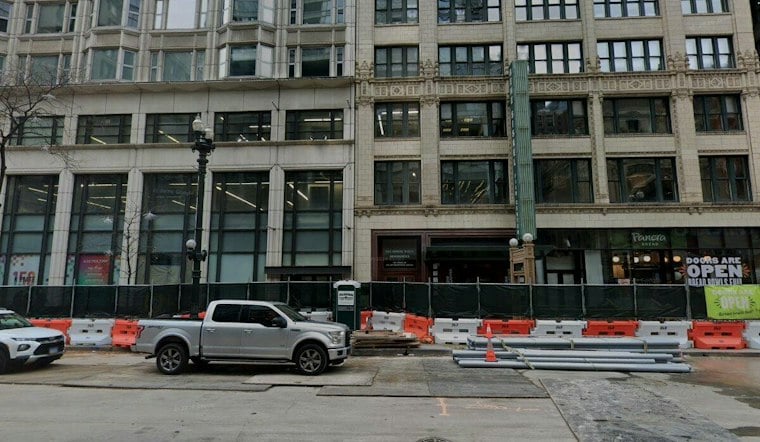
Screenings are at the Gene Siskel Film Center, 164 N. State St. The festival ticketing page lists a six-screening pass without Opening Night at $36 for members and $60 for general admission. An Opening Night pass, which includes that screening and five additional festival screenings, costs $55 for members and $80 for general admission. The article’s Siskel Film Center listings show a different member price—$30—for the six-screening pass. Program details and showtimes are available through the Film Center’s listings.



