

























































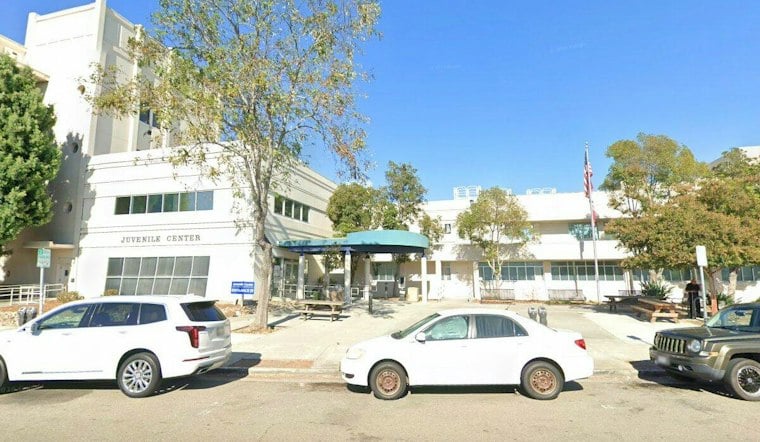
California's Board of State and Community Corrections is preparing to vote on whether corrections officers can keep using chemical agents like pepper spray on youth held in county juvenile detention facilities. The decision caps a four-year review process and follows years of documented incidents in which kids as young as pregnant teens or those attempting suicide were sprayed by staff.
According to KQED, the 15-member board is appointed by the governor and the state legislature and oversees rules for California's adult and youth criminal justice systems, including conducting regular inspections, developing training standards, and administering public safety grant funding. The board formed a steering committee to recommend revisions to juvenile hall conditions, and that committee convened working groups on education, environmental health, nutrition, medical health, and mental health. In July, the steering committee advanced two competing paths forward: a full ban on chemical agents, or continued use paired with routine reporting on all use of force, per the same report.
The scale of the underlying problem is substantial. A report from the ACLU of Southern California, the result of reviewing 10,465 documents, found that California officials used toxic chemical agents more than 5,000 times against youth in juvenile facilities between January 2015 and March 2018. The ACLU considered that figure an undercount, the station's report notes, and documented officers spraying pregnant youth, youth attempting suicide, and youth involved in property damage or other nonviolent acts.
Gaps in the Data, Conflicting Counts
Accountability gaps run through the record. The station's report states that 13 California counties provided no data at all about chemical agent use, while the ACLU's own report says 18 additional counties that allow pepper spray in juvenile detention facilities failed to provide use data — the two accounts don't clarify whether they're describing the same counties or timeframe. The ACLU report also found that pepper spray can cause intense pain, skin blistering, respiratory arrest, and an increased risk of strokes and heart attacks.
The ACLU's recommendation is unambiguous: a legislative, complete ban on the use of all chemical agents against youth in California's juvenile justice system. Short of that, the report says agencies still using chemical agents should be required to make information about that use publicly available on their websites. The same report notes that 35 states and seven California counties have already banned pepper spray in juvenile facilities, and that Los Angeles County Probation had released a plan to implement a county directive banning the spray in its juvenile facilities by the end of that year.
A County-by-County Patchwork
How counties have handled chemical agents varies widely. Alameda County was one of just three counties in the Bay Area that allowed guards to use pepper spray in juvenile hall, and staff there used it about twice a week, according to the Council of Juvenile Correctional Administrators, as reported by KQED. Nationally, nearly 90 percent of state-run youth jails don't allow guards to carry pepper spray at all, the same report found. County records obtained by Youth Radio showed guards at the San Leandro facility used pepper spray 147 times in a single year, a period when guards were also working an average of 30 hours of overtime per week alongside a rise in use of force, according to a separate KQED report.
Santa Clara County offers a contrasting example. The county's six-month juvenile hall pepper spray pilot ended without staff using the spray a single time, the East Bay Times reported in 2015. A separate pilot program allowing pepper spray to forcibly remove an unruly youth from a room was also set to end that August without the spray ever being deployed. The Youth Law Center said it celebrated the end of that Santa Clara County Probation Department pilot, which had allowed pepper spray use in one unit of its juvenile hall. That department ultimately ended pepper spray use at its youth facilities in 2015.
Voices From the Public Comment Process
The debate playing out before regulators pits competing views of safety against each other. Jennifer Fox said during public comment that pepper spray and other chemical agents are the great equalizer for female staff, arguing that physically overpowering adult men without an intermediate tool is unsafe and unrealistic, according to KQED's reporting. Meredith DeSautels requested routine reporting on use of force as part of any new standard, and the board ultimately narrowed the proposed reporting requirement to chemical agents only.
Diego Ballasteros, a 19-year-old college student and single father, has become one of the more visible advocates pushing for a ban on chemical agents and broader systemic reforms. He was incarcerated at Santa Clara County juvenile hall for a property crime for two weeks at age 16, and he recalled that some staff de-escalated situations without resorting to chemical agents or other force tactics. Ballasteros said incarceration felt like an attack on youth and that it made him fear losing contact with his son while preventing him from working toward his diploma. Colin Ford said twenty or 30 young people attended each committee meeting held in northern Sacramento, reflecting the scale of youth-led engagement in the process. Fresh Lifelines for Youth, which supports Bay Area youth affected by the criminal justice system, has been part of that advocacy network. Jana Sanford-Miller said the board directs operations and may modify draft regulations during the public meeting itself, leaving the final outcome genuinely uncertain going into the vote.
Why County Jails Hold So Many Kids Now
The stakes extend well beyond any single vote because of how much responsibility counties now carry. The California Department of Juvenile Justice closed its operations in 2023 following allegations of violence and inhumane treatment, a closure intended to quell lawsuits and prompt a reimagining of youth detention and rehabilitation. California counties absorbed most of the former state juvenile justice population, and county governments now have total responsibility for juvenile confinement. Some youth in county facilities have stayed as long as seven years and up to age 25, and counties have significant discretion over state-law-permitted use-of-force tactics, including chemical agents — discretion that has produced the wide disparities seen from Santa Clara to Alameda County. A separate proposed-revisions document filed with the Board of State and Community Corrections, based on public records requests to all 58 counties, likewise found that staff in California juvenile facilities used this weapon more than 5,000 times between January 2015 and March 2018, echoing the ACLU's figures from a 2019 report that reviewed more than 10,000 documents.
Beyond the question of chemical agents, the proposed regulatory language under consideration would also guarantee more food for detained youth, including two hot meals a day, expand visits from loved ones beyond relatives, and reduce how often youth are removed from school for punishment. Youth with juvenile hall experience called on the steering committee to put forward regulatory language addressing conditions inside the halls, not just use-of-force policy. Whatever the board decides, the vote will shape daily life for thousands of young people currently held in county custody across California.




