

























































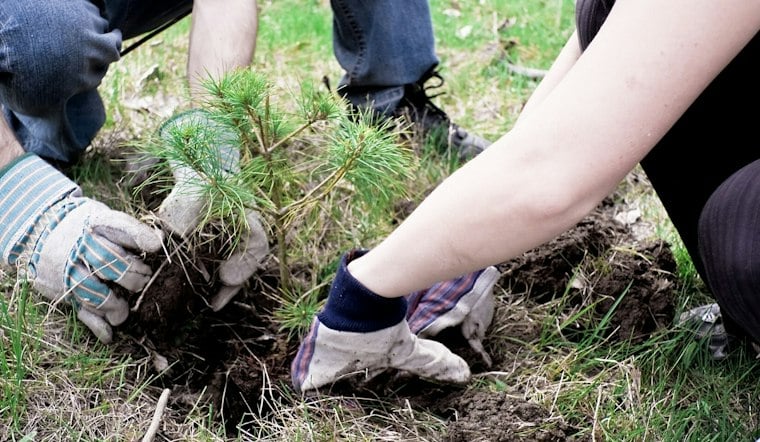
A tree-planting initiative has taken root in Chatham, one of the Chicago neighborhoods hit hardest by flooding, with sixteen sites chosen through community input and dozens more trees headed into the ground this fall. The effort lands at a pointed moment: Chicago just recorded its wettest meteorological summer since 2018, with 15.38 inches of rain soaking the city between June and August.
According to CBS Chicago, organizers planned to plant 96 more trees through the neighborhood during the month after April 16, 2026, with roughly 100 additional trees going in this fall. The station reported that the sixteen initial sites were selected with direct input from Chatham residents, part of a broader push to use trees as a frontline defense against water that has nowhere else to go.
Why So Much Rain Overwhelms Chicago's Streets
The scale of the challenge is daunting. A city water policy advisor cited by WTTW noted that two-thirds of Chicago is covered in impervious surfaces — roofs, roads and sidewalks — that funnel rainwater straight into the sewer system instead of letting it soak into the ground. The outlet's reporting on the city's updated Green Infrastructure Strategy describes nature-based solutions like permeable alleys, green roofs and native gardens as ways to manage water where it falls rather than forcing it all underground at once.
That updated strategy also calls for the city to build a detailed inventory of its existing green infrastructure, tracking what has been installed, where, when, and what maintenance it needs going forward, per the same WTTW report. The push for better tracking comes as rainfall intensity itself has been climbing. WBEZ has reported that the likelihood of heavy rainstorms in Chicago has increased sevenfold over the past century, and a 2025 climate memo cited by the station warned that rainfall during 24-hour storms could grow by another inch by 2050.
Green Alleys and Schoolyards Already Doing the Work
Trees are only one piece of a growing toolkit. Block Club Chicago has reported that a typical city-installed green alley can divert more than 3,700 gallons of rainwater from the sewers every hour, and Austin Weekly News found that Chicago averaged nearly 30 new green alleys a year between 2021 and 2023, up from about 24 a year in the prior decade. Even so, green alleys remain one part of the city's broader flood-fighting effort.
Chicago's public schoolyards have become another front in the fight. By November 2025, 41 schoolyards had been completed.
A Regional Model Along the Little Calumet
South of the city, a regional effort offers a glimpse of what coordinated investment can look like. The Center for Neighborhood Technology reports that Cook County allocated $6 million in 2022 toward green infrastructure projects across six flood-prone communities — Blue Island, Calumet City, Calumet Park, Dolton, Riverdale and Robbins — through the RainReady Calumet Corridor program. The project includes parks and green alleys fitted with permeable pavement and underground rainwater storage, and it has encouraged homeowners to install backflow preventer valves, rain barrels and rain gardens of their own.
The stakes behind all of this investment trace back to a single catastrophic storm. The Chicago Reporter has reported that a July 2023 downpour flooded about 70,000 basements in Chicago — a scale of damage that still shapes how officials talk about flood resilience. The Chicago Tribune has separately reported that Illinois statewide precipitation increased 15% between 1895 and 2019, according to the Illinois Department of Natural Resources, underscoring that the problem predates any single storm.
Help for Homeowners Comes With Strings Attached
For residents still dealing with water damage, the city offers its Flood Assistance Repair Program, which the City of Chicago says provides up to $25,000 in repairs for income-eligible homeowners. Eligible properties must be single-family or two-unit, owner-occupied residences on the West Side where basements were damaged by major flooding in 2023 and 2024, with an income guideline of up to 100 percent of area median income.
Even as these programs and planting efforts multiply, the underlying math remains tough. Chatham's new trees and the city's expanding green infrastructure strategy represent incremental, localized responses to a citywide drainage problem that outpaces any single neighborhood fix — a dynamic The Chicago Reporter has also examined in its coverage of how community-driven green spaces fit into the city's broader flood-fighting efforts. Whether trees, alleys and schoolyards can keep pace with increasingly intense storms remains an open question for the neighborhoods that keep flooding first.



