

























































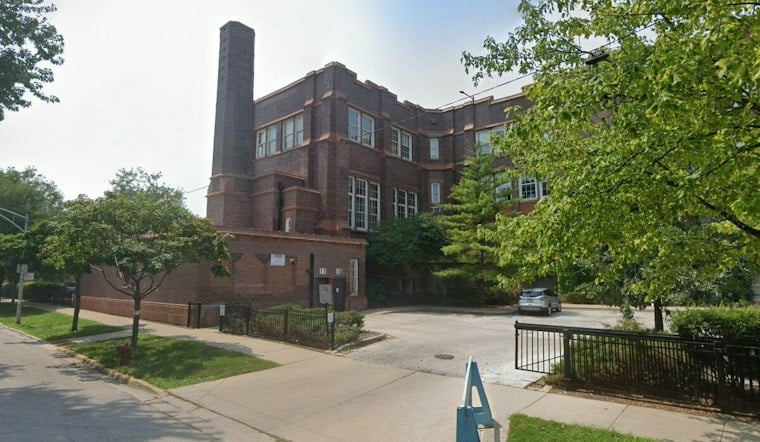
Chicago Public Schools just got four new green schoolyards, and Mayor Brandon Johnson is pointing to them as proof the city is backing up a big international title with actual concrete and dirt. The additions bring the Space to Grow program's total to 45 redesigned schoolyards, each one engineered to double as a neighborhood flood-control tool.
Johnson made the connection explicit in a post on X, writing that Chicago was recently named the most climate resilient city in the world and that programs like Space to Grow show how the city is continuing to strengthen its public schools and neighborhood infrastructure to combat the effects of climate change. The mayor posted under the handle @chicagosmayor, tagging @ChicagoDOE, @Openlands, and @healthyschools
in the announcement.
The ranking he's referring to comes from AlphaGeo, which graded the adaptiveness of 72 of the largest cities around the globe and placed Chicago at the top of the list, according to Block Club Chicago. The outlet reported that Chicago's score reflected both low physical exposure to risks like inland and coastal flooding, heat stress, drought, wildfires and hurricane winds, and the city's high adaptation to those risks. Other cities in the reported top five included Addis Ababa, Melbourne, Barcelona and Ankara, per the same report.
Four New Schoolyards, One Growing Network
The newest round of schoolyards opened on Nov. 17 at George Washington High School, Bernhard Moos Elementary School, Amelia Earhart Options for Knowledge School, and Jane Addams Elementary School, according to an Openlands announcement. The nonprofit's announcement described the redesigns as built to support student health and learning while helping the surrounding neighborhoods become more climate resilient.
Each site relies on a familiar toolkit: rain gardens, permeable surfaces, turf fields with underground storage, and new trees to add shade, the Openlands report notes. Taken together, the organization says the 45 completed schoolyards can now capture 11.2 million gallons of rainwater per rain event.
Years of Public Investment Behind the Program
The program has also received public investment. In March 2024, the MWRD Board of Commissioners approved an intergovernmental agreement with CPS allowing the district to spend up to $15.9 million through 2026 on the effort, per the district's own account.
Not every voice cheering Chicago's new ranking is treating it as a finished job. The Loyola Phoenix reported that AlphaGeo's study measured what it called resilience-adjusted risk, comparing the physical climate threats a city faces against its adaptation and preparedness level across those same 72 cities. The student paper also noted that residents still face local climate impacts, including intense rainstorms, basements flooding from overwhelmed sewers and rising summer heat.
A Caution From Loyola, Even Amid the Celebration
That tension between celebration and caution showed up directly in Block Club Chicago's coverage of the AlphaGeo ranking. A Loyola University Chicago expert quoted by the outlet put it plainly: “We're lucky to be here, but the climate is only getting more volatile. There's more that we'll all need to do.”
For Johnson's administration, the schoolyard openings offer a tangible answer to that challenge — one playground, rain garden and turf field at a time. With 45 sites now online and a multimillion-dollar agreement running through 2026, Space to Grow has become one of the city's more visible examples of pairing everyday school infrastructure with stormwater management, even as officials and outside experts alike acknowledge the work isn't finished.




