

























































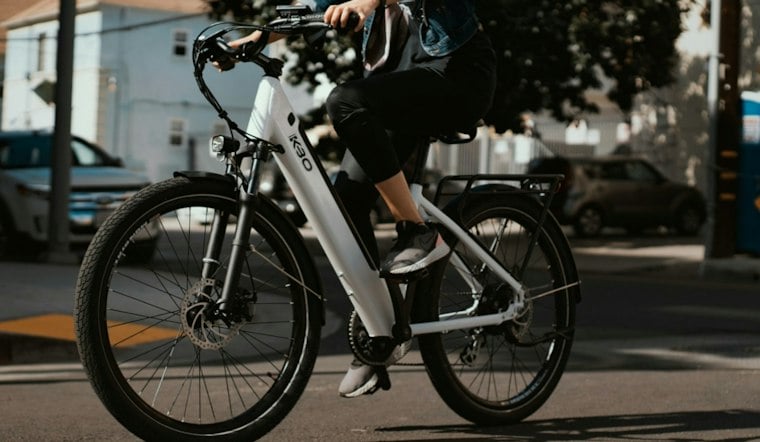
Gas-powered bikes could soon be banned entirely from Chicago Park District paths, and everything else on wheels — from e-bikes to e-scooters to e-unicycles — would be capped at 20 miles per hour under a sweeping new proposal unveiled by the district. The plan, introduced as the park district's governing code amendments covering motorized devices, now enters a public comment window that runs into early January.
The proposal, introduced by Chicago Park District Director of Policy Pam Witmer, would prohibit all gas-powered bikes on park bike paths outright, according to WTTW News. It would also set a maximum speed limit of 20 miles per hour for motorized devices on park paths, with the district able to post lower limits in specific locations where it deems them warranted. E-scooters, e-skateboards and e-unicycles would be restricted to paths specifically designated for that use by the general superintendent, rather than allowed throughout the park system.
The move comes as Illinois prepares to roll out its own statewide micromobility law on Jan. 1, 2027, a law that, per the district, gives park districts room to layer on tougher local restrictions. The state law bars e-motos and e-bikes capable of exceeding 28 miles per hour from bike paths altogether, while still permitting low-speed e-bikes on those same paths, and it prohibits all electric- and gas-powered devices from sidewalks regardless of how fast they can go. The park district's 20 mph ceiling would sit well below that 28 mph state threshold.
Why the District Says It's Acting Now
The park district's existing code already references bicycles, guiding cyclists to yield to pedestrians and sound an audible warning when passing from behind, but it has not kept pace with the explosion of motorized devices on park paths. The district has already geofenced shared e-scooters out of certain paths, but officials acknowledge that riders on personal devices have been able to skirt those same geofencing restrictions, exposing a gap the new code language is meant to close.
District officials say the proposed rules were shaped by feedback gathered from staff, park patrons, City Council members and presentations at town hall meetings held earlier this year. At the first of those sessions, the sentiment in the room ran toward the strict end: attendees at that sparsely attended meeting generally argued the park district needs tougher limits than the state, particularly when it comes to speed, according to a separate WTTW News report. The 20 mph cap now on the table appears to reflect that public push for stricter local standards.
Enforcement Questions Linger
Even as the policy has taken shape, how it gets enforced remains an open question. Park district commissioners have questioned whether the proposed rules could actually be enforced on the ground, and the district says it will rely on the Chicago Police Department to ticket violators. Witmer told commissioners at the earlier town hall that enforcement and compliance discussions were still ongoing, and she said the speed limits, once adopted, would apply to all users on the paths — not just commercial riders or rental scooters.
If the amendments are adopted, the park district plans to mark the new rules physically, using signage and pavement markings to indicate speed limits and which devices are permitted or prohibited on a given stretch of path. The district's board of commissioners discussed the proposal at its meeting this week, and the public now has a formal avenue to weigh in: the amendments have entered a 45-day comment period, and Chicagoans can read the proposed code changes and submit comments online through Jan. 3, 2027. The district also plans to discuss the proposal directly with residents at a virtual town hall on Dec. 14.
A Similar Debate Playing Out in Salt Lake City
Chicago isn't alone in wrestling with how fast an e-bike should be allowed to go on a shared path. In Salt Lake City, a proposed ordinance would set a 15 mph speed limit for all classes of bikes and e-bikes on city-managed trails, including the 9 Line and Jordan River Parkway, according to The Salt Lake Tribune. That proposal would also ban electric motorcycles and other high-powered electric devices capable of exceeding 20 mph on electric power alone, or powered by motors over 750 watts, from city-jurisdiction sidewalks, paths and trails, and it would require e-bikers to yield to pedestrians and other trail users. Violators there could face a warning or a fine of up to $299, with the Salt Lake City Council slated to take public comment on the measure at a 7 p.m. hearing.
The Salt Lake City proposal's 15 mph ceiling is notably lower than the 20 mph cap Chicago has floated, underscoring just how much local governments are still experimenting with where to draw these lines as e-bikes and other motorized devices continue flooding shared public paths. For Chicago, the real test will come in the weeks ahead, as the comment period plays out and the park district works through the enforcement questions commissioners have already raised.





