

























































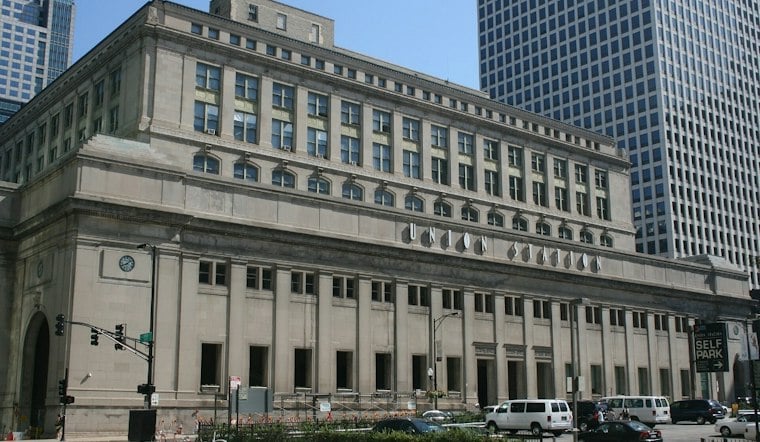
Chicago Union Station is getting its first level-boarding platforms, and they're coming from an unexpected place: the old mail room. Amtrak has kicked off a $112 million, 30-month construction project that will convert dormant platforms originally built for mail and parcel service into fully accessible passenger platforms serving tracks 30 and higher.
The project, known as Platform 30-38, is designed to deliver a fully ADA-compliant, level-boarding platform that lets passengers get on and off trains without ramps, stairs or lifts, according to Chicago Construction News. Amtrak says the work will convert dormant platforms originally built for mail and parcels into passenger platforms, according to Amtrak Media. The agency frames the effort as a way to make the platforms compliant with the Americans with Disabilities Act while increasing rail capacity and operational flexibility.
Amtrak marked the formal start of the work at a ceremony on Nov. 9, according to Trains. The outlet's report notes the platform project is part of the larger Chicago Hub Improvement Program, an initiative meant to improve regional and intercity passenger rail service throughout the Midwest by investing in rail infrastructure, facilities and Chicago Union Station itself.
A Former Post Office Gives Way to New Boarding Space
The platforms being converted sit where a former post office once stood above the tracks before it was relocated, clearing the way for the new passenger infrastructure. Once complete, the project will include a climate-controlled waiting area with restrooms. The added platforms are also meant to provide interim passenger capacity and help maintain service while other platforms at the historic station undergo future reconstruction.
Chicago Union Station serves millions of travelers each year, and Amtrak has described the Platform 30-38 Project as the first Chicago Hub Improvement Program initiative to advance to construction. The project uses a design-bid-build delivery method, with Clark Construction serving as general contractor. WSP USA will continue as designer of record while providing construction-phase services, and HNTB was awarded a project manager/construction manager contract, with its team embedded within Amtrak's capital delivery department to provide management support throughout construction, per the same Progressive Railroading account.
Funding Pulled From Federal, State and Local Sources
The $112 million project draws on a layered funding package. It includes a $49.6 million Federal-State Partnership grant from fiscal years 2022-23, administered by the Federal Railroad Administration, that Amtrak and the Illinois Department of Transportation jointly applied for. Another $40 million comes from fiscal 2025 federal appropriations, with the remaining $22.4 million covered by local matching contributions from Amtrak, the City of Chicago and Cook County, according to Amtrak Media.
Chicago's transportation commissioner told Trains that the City of Chicago specifically provided $3 million toward the project. Warren LeBeau said the investment will make travel easier and more convenient for Amtrak passengers and begin a new chapter of station improvements, while Dr. David Handera said Amtrak wants every station to provide a welcoming environment for every passenger. Amtrak has said it is committed to making stations accessible to all customers.
Part of a Bigger Accessibility Push
The Chicago work is one piece of a much larger national effort. Amtrak says accessibility projects are currently under construction at more than 80 stations across its network, according to Amtrak Media. Major construction on the Chicago platforms is scheduled to begin by the end of this year.
Not every piece of the regional rail puzzle is funded yet. Trains reports that a plan to improve Amtrak's Michigan line, used by the Wolverine and Blue Water services, remains unfunded, even as a separate study looks at other potential route improvements in the Chicago area. For now, the Platform 30-38 project stands as the most tangible sign of movement on Amtrak's broader Chicago Hub ambitions, converting a relic of the station's mail-handling past into a modern gateway for riders.



