

























































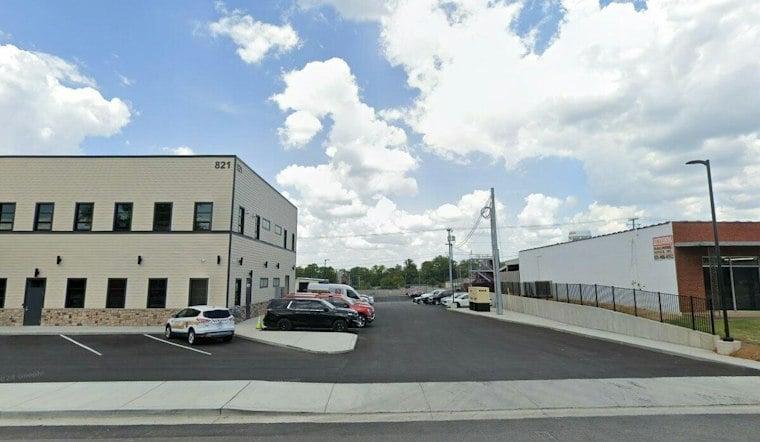
Clarksville Fire Rescue is scrapping its longtime rescue-truck program, pulling all six of its dedicated rescue units from regular duty starting Jan. 1, 2027, and instead training every fire engine and ladder truck across the city's 12 stations to handle medical and rescue calls. Fire Chief Freddie Montgomery Jr. says the shift is meant to put help on scene faster, not cut corners on service.
The department currently relies on six rescue trucks to cover 12 zones across the city, but under the new plan those vehicles will mostly step back from day-to-day response, according to WKRN. Two of the six trucks will be repurposed for technical rescue operations, while the remaining four will sit in reserve as the department evaluates how the new system performs. Montgomery said he plans to track the change for at least 90 days, watching call volume, mileage, fuel costs and any operational hiccups before deciding whether to make it permanent.
Why Clarksville Is Ditching the Rescue-Truck Model
The core problem, as Montgomery describes it, is that somewhere between 70 and 80 percent of the department's calls are medical and rescue runs that often need backup from a separate fire engine just for manpower. That has meant sending a two-person rescue truck and a three-person fire truck to the same scene instead of one fully staffed unit. Under the new model, Montgomery said, a responding truck at full staffing would instead carry four to five people, as reported by Clarksville Now.
Montgomery has also pointed to a gap in response times. He said the department offers three- to five-minute response times citywide for fire calls, but rescue calls have not kept that same pace. The fix, per the station's report, equips every engine and ladder truck with the same gear a rescue truck would carry, so the closest available unit can respond rather than waiting for a dedicated rescue rig to arrive from across its zone.
Every Firefighter Now Certified, Chief Says
The change is only possible, Montgomery said, because all city firefighters have now completed emergency medical responder certification; 51 firefighters were already EMR-certified before the change. That certification bump means every truck, not just a handful of specialized rescue units, can now carry out the same medical interventions on scene. Clarksville Now also noted the fleet itself is substantial, made up of 23 vehicles with five more held in reserve, and that the department's most recently purchased rescue truck ran about $450,000, with roughly $250,000 more in equipment aboard it.
Montgomery was direct about staffing concerns that have followed the announcement. The department currently has 18 vacancies, but he maintains those gaps are not driving the overhaul and will not stand in the way of implementing it. He also said the transition will not require any additional funding from the city, since the necessary equipment and medical supplies are already covered within the department's existing budget.
Not Everyone Is Convinced
The plan has not landed without pushback. WKRN's reporting notes concerns raised by a firefighters association leader and a city council member, including the association leader's concerns about coverage, response times during multiple calls, maintenance expenses, and wear and tear on the trucks. Clarksville Now reports this marks the first update to the department's response plan in nearly three decades, underscoring how significant a departure it is from the status quo.
Montgomery has pointed to station-level shifts as part of the rationale. Stations 1 and 6 were among the busiest under the old system, he said, while under the new model, Station 5 will make its own runs and Station 7 will make its own runs rather than relying on a rescue truck pulled from elsewhere. According to the Clarksville Fire Operations page, the department's Operations Division includes 254 personnel working three shifts on a 24-hours-on, 48-hours-off schedule, the backbone of staffing that will carry the new model forward if it is formally adopted.




