

























































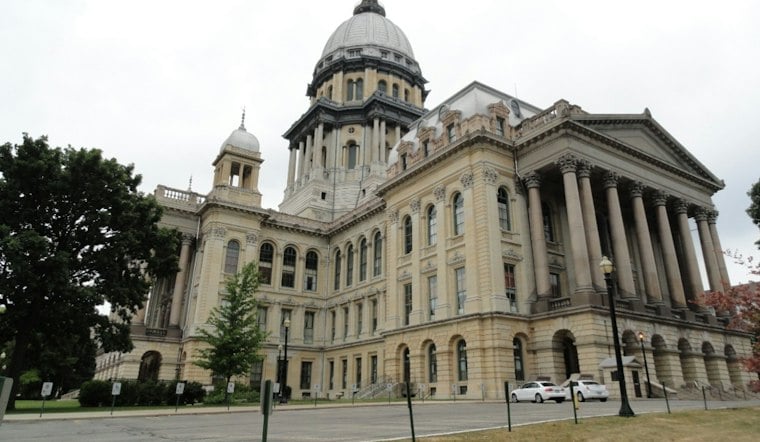
Patrick Hanley, a Democrat born in Evanston and now living in Winnetka, has won the Illinois Senate 9th District seat, defeating Republican Tom Lally on Tuesday to succeed outgoing Sen. Laura Fine. The Associated Press called the race for Hanley at 8:10 p.m., when he held 82.4% of the vote with an estimated 53% of ballots counted, and he celebrated the win with supporters at Pit & Tap in Wilmette.
According to the Evanston RoundTable, Hanley handily defeated the Glenview Republican, and he will serve a two-year term ending in January 2029. He first had to get past a crowded Democratic field, narrowly beating Rachel Ruttenberg, deputy committeeperson of the Democratic Party of Evanston, with 51.6% of the primary vote to her 48.4%.
Hanley will take over a seat Fine has held since 2019. Fine chose not to seek reelection to the Senate and instead ran for Illinois' 9th Congressional District seat, a bid that ended when she lost the Democratic primary to Daniel Biss in March. Biss went on to declare victory in that congressional race Tuesday.
A District Spanning Chicago's North Side to the Suburbs
The Illinois Senate 9th District stretches across all or portions of northern Cook County suburbs and a small part of Chicago's far north side. As Patch reports, it includes Evanston, Glencoe, Glenview, Golf, Kenilworth, Morton Grove, Niles, Northbrook, Northfield, Skokie, Wilmette and Winnetka.
Hanley campaigned on a platform of affordability, healthcare, public education and safety, per the same outlet's report. He said he aims to strengthen gun regulations, protect the LGBTQ+ community and address what he describes as an affordability crisis touching taxes, utility bills, childcare, housing and healthcare prices.
Hanley Credits Volunteers, Vows to Tackle Rising Costs
Hanley said the night of his victory was incredible for Illinois and the country, and he expressed gratitude for the hundreds and thousands of hours of campaign work put in by his supporters. He described his campaign as built on organizers, volunteers and community leaders speaking directly with neighbors.
He identified addressing rising costs for daily and routine expenses as his top priority, saying residents have struggled to afford mortgages, rent, utilities, groceries and health care. Hanley said he plans to pursue state policies aimed at lowering or stabilizing those costs and also hopes to advance additional environmental protections for Illinois. He added that Democrats must govern well, lead and improve people's lives.
Ranked-Choice Voting Emerges as an Early Priority
Hanley said he would work to implement ranked-choice voting in Evanston and Skokie as his first initiative in office, according to the Evanston RoundTable. He has pointed to both communities as places where voters already approved the system but have been unable to put it into practice.
Evanston approved ranked-choice voting in 2022, according to FairVote, while Skokie voters passed their own citizen-initiated referendum on April 1, 2025, with 58% voting yes. Skokie's municipal government says that under current plans, ranked-choice voting would be used to elect the village's mayor, clerk and Board of Trustees starting in 2027.
But the path forward is legally complicated. The Village of Skokie's own ranked-choice voting page states that Illinois law does not currently provide for the system, and that a Cook County Circuit Court judge ruled in November 2024 that Evanston's 2022 referendum conflicted with provisions of the Illinois Election Code. As of March 2025, the village's page notes, an appeal of that ruling had not yet been decided.
A Broader Statewide Trend Toward Reform
Illinois would not be alone in experimenting with the voting method if it moves forward. FairVote reported that more than 50 U.S. cities, counties and states now use ranked-choice voting, up from just 10 cities and zero states in 2016, and noted that Oak Park approved its own ranked-choice measure by a 4-to-1 margin the previous November. A 2023 report from Capitol News Illinois had earlier put the number of jurisdictions using the method at 64, including the states of Maine and Alaska along with two counties and 60 cities.
Hanley's win also fits into a bigger night for Illinois Democrats. The Daily Line reported that Democrats retained control of the state's top statewide offices and gained at least four seats across the General Assembly, with several other Republican-held seats still uncalled. For now, Hanley's immediate focus in Springfield appears set: convincing state lawmakers to let local governments like Evanston and Skokie finally use the voting system their residents have already endorsed at the ballot box.



