

























































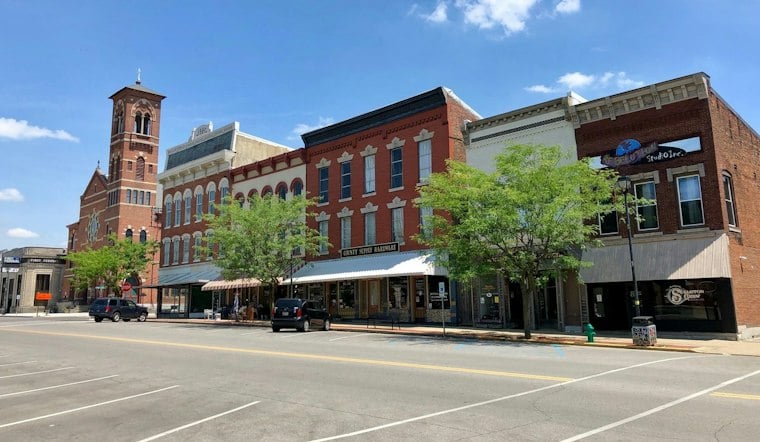
Greensburg City Council has given final approval to a plan that could make it easier for downtown restaurants to serve alcohol, passing Ordinance 2026-14 on its second reading to establish a municipal waterfront development district. Mayor Joshua Marsh says a prospective business owner had already reached out about the opportunity before the vote was even final.
What the Ordinance Does
According to a meeting recap from WTRE Radio, the council approved Ordinance 2026-14, establishing the Municipal Riverfront Development, on its second reading. Marsh introduced the measure to the council last month. Greensburg Daily News also reported that the council passed the ordinance on its second reading.
After the ordinance passed, the council also approved guidelines drafted by the mayor outlining the process for interested business owners to participate, the WTRE recap notes. Marsh told the council he had already been contacted by one prospective business owner interested in the opportunity, according to the same account.
District Boundaries and License Types
WTRE's earlier meeting recap identified Gas Creek as the designated body of water for the district.
WTRE's earlier recap says the designation would allow restaurants to obtain a one-, two-, or three-way liquor license. The recap also notes that a business which moved outside the designated area could not take its liquor license with it.
How Indiana's License Quotas Work
The push for a local workaround reflects a statewide constraint. The Indiana Alcohol and Tobacco Commission says retailer permits for on-premises consumption and dealer permits for off-premises consumption are generally limited by quota provisions under state law. Riverfront and waterfront development districts offer municipalities a statutory route around those caps for qualifying businesses.
Riverfront districts have been used in more than 40 Indiana communities, according to the Indianapolis Business Journal. A 2019 report from The Daily Reporter illustrates how towns have applied the idea beyond rivers: Fortville, which has no river, relied on a creek and two drainage ditches, and its redevelopment commission voted 4-1 to recommend a district to the Town Council.
Other cities show just how much activity these districts can generate. Lafayette established a district around the Wabash River back in 2004, expanded it twice since, and had 34 active riverfront licenses at the time of the Indianapolis Business Journal's reporting — the most of any city in the state. Noblesville granted 23 licenses over five years after creating its White River district in 2015, and Greenwood, which established a district in 2018, had issued five permits in its Old Town area within a few years, according to Aspire Johnson County.
Not every outcome has been painless. An attorney quoted by the Indianapolis Business Journal said a riverfront district in Mishawaka dramatically reduced the value of existing liquor permits there, and Carmel was weighing four new riverfront districts of its own after businesses claimed all 62 of the city's available three-way permits. Whether Greensburg's version follows the smoother path of Lafayette and Noblesville or runs into the friction seen elsewhere may depend on how the final boundaries and license categories are resolved.
Business Owner Guidelines
The guidelines approved by the council outline the process for interested business owners to participate.
Downtown's Broader Economic Goal
Main Street Greensburg describes its mission broadly: strengthening downtown economic vitality and cultivating growth. That mission provides local economic-development context for the council's effort to attract businesses, though it does not specify a restaurant-focused recruitment goal.



