

























































An apparent cyberattack hit Algonquin Dam on the Fox River in McHenry County last Monday, Nov. 16, prompting Illinois Department of Natural Resources staff to take immediate action to block unauthorized access and keep the dam running. State and federal investigators are now trying to figure out exactly what happened, but officials have released few details about how the intrusion unfolded.
The incident was first reported by CBS News Chicago, which said state officials confirmed they are investigating the apparent cyberattack at the dam. Illinois DNR attributed the timing of the attack to last Monday and said its staff moved quickly to prevent unauthorized access while keeping the structure operational, according to the station's report.
Multiple agencies got involved once the incident was flagged. Illinois State Police, the Illinois Emergency Management Agency, the Illinois Department of Innovation and Technology, and the federal Cybersecurity and Infrastructure Security Agency all investigated the apparent cyberattack, per the same account. Officials, however, have not disclosed further information about the nature of the attack itself.
No Confirmed Link to Other Incidents
Illinois DNR said there is no indication the Algonquin Dam incident is connected to other recent cyberattacks or outages reported across the country, the station's report notes. That distinction matters given how often water and dam infrastructure has come under scrutiny from federal cyber officials this year.
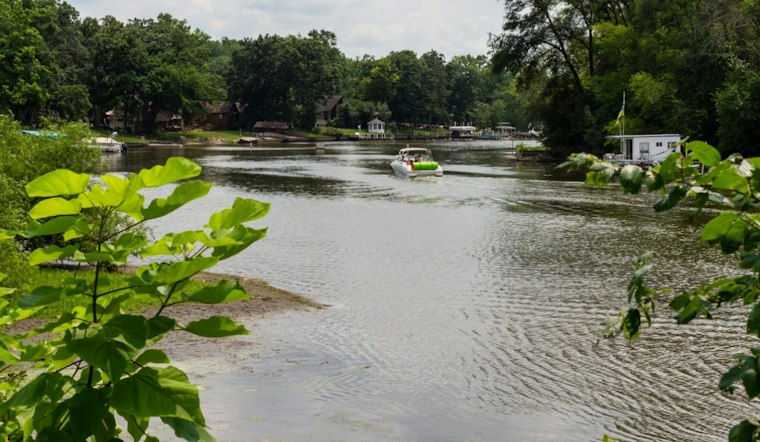
Algonquin Dam sits on the Fox River in McHenry County and is one of 13 dams along the waterway in Illinois, according to the Fox Waterway Agency. Along with Stratton Dam, it supports recreational boating on the river and in the Chain of Lakes, the agency notes.
A Wider Pattern of Water-System Hacking
The Algonquin incident lands amid a string of cyberattacks on water infrastructure nationwide this year. Federal agencies reported in late July that cyberattacks targeting municipal water systems had struck at least seven states within a single week, according to NBC News. In that wave, hackers remotely accessed internet-facing devices, changed IP addresses and passwords, and caused some utilities to lose monitoring and control capabilities, the outlet reported. More than 30 municipal water facilities in Minnesota alone were targeted in an attack that remained under investigation, per NBC News.
The FBI and the Environmental Protection Agency urged water-system operators nationwide to take precautions, including placing programmable logic controllers behind secure gateways and firewalls and using strong passwords, NBC News reported. By August, Nextgov/FCW reported that CISA was still finding water-system controls exposed to the public internet while helping utilities respond to cyberattacks affecting at least a dozen states. CISA's acting director, Nick Andersen, said some of those exposed controllers had no password or still used a default one, according to the outlet.
Officials in roughly 12 states reported similar cyber activity at the time, though utilities said they continued operating safely with no known effects on public health, Nextgov/FCW reported. A separate joint advisory described by WaterWorld detailed how attackers in other cases altered controller logic to disable shutdown and alarm functions.
Dams Have Been Targets Before
Dam infrastructure has drawn hacker attention in the past. In 2013, hackers accessed the control system at the Bowman Avenue Dam in Rye Brook, New York, a structure used for flood control, according to CBS New York. A U.S. official later told The Associated Press that a Justice Department probe determined Iran was responsible for that cyberattack, CBS New York reported. The New York Times separately noted that authorities said the dam's computerized sluice gate was what drew the attention of the Iranian hackers. WaterWorld also recounted a cyberattack on Norway's Risevatnet dam in which attackers remotely opened a discharge valve for four hours.
A CISA guide focused on the dams sector lists increased connectivity, threats to industrial control systems, Internet of Things vulnerabilities, supply-chain threats, and outdated systems among the cybersecurity risks facing the sector. None of those broader incidents have been tied to the Algonquin Dam case, and officials have not said whether any of those same vulnerabilities played a role in what happened on the Fox River.
For now, the investigation into the Algonquin Dam incident remains open, with no public timeline for when state and federal agencies expect to release more details.




