

























































Massachusetts is pouring nearly $20 million into 77 grants meant to get more than 5,500 residents trained for clean-energy and climate-tech careers, with Merrimack Valley schools and a Lawrence boiler and welding company among the local winners. The Mass. Clean Energy Center announced the awards Wednesday, spreading the money across five different grant programs aimed at everything from classroom training to equipment upgrades.
Governor Maura Healey framed the funding as a way to widen access to an industry that's already booming in the state. “We want more residents to benefit from the jobs and opportunities this growing industry is creating,” she said, according to The Boston Globe. The newspaper reported the grants span five programs supporting job training, equipment and facility upgrades, career exposure, and business support.
Locally, Northern Essex Community College was awarded $156,496 to train HVAC instructors through MassCEC's Climate-Critical Workforce Training, Equipment and Infrastructure program, according to WHAV. Greater Lawrence Regional Vocational Technical School landed two separate awards from the same round: $269,239 to continue and expand its Facilities Maintenance Technician program for residents of Environmental Justice communities, and a $269,931 Equity Workforce Training Implementation grant to grow that same kind of training across the Merrimack Valley, per WHAV's reporting.
A Lawrence Welding Shop Lands Three Awards
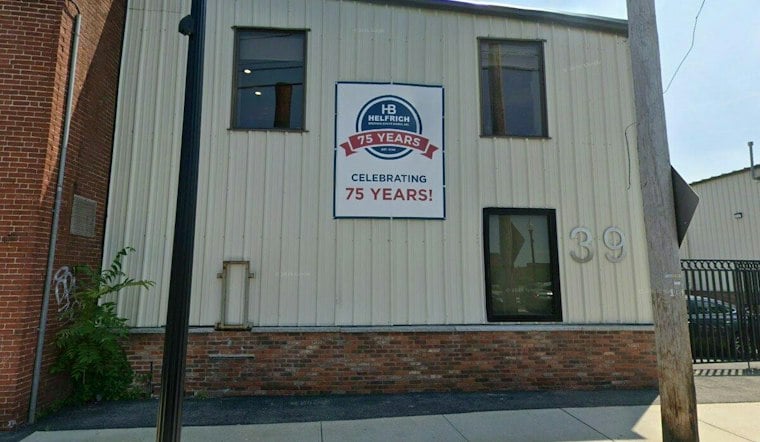
Helfrich Bros. Boiler Works in Lawrence came away with the most grants of any single Merrimack Valley recipient named in the round. The company received $100,000 to operate a welding academy, another $464,053 to equip that academy, and $400,088 to deliver a two-year welding academy program, WHAV reported. Together, the three awards total more than $964,000 flowing into one local shop's effort to train welders.
Statewide, the money reached a range of other schools and programs. Essex North Shore Agricultural and Technical School received $750,000 for electric-vehicle diagnostic, safety, and instructional equipment, the Globe's report noted. Upper Cape Cod Regional Technical School pulled in $900,000 across three separate awards, all for electric-vehicle technician training, while Roxbury Community College received $350,000 to train people involved in the criminal justice system, with instruction beginning before release.
Why the State Is Betting Big on Clean Energy
The funding push is tied to a workforce gap state officials say is coming fast. MassCEC's own program materials, describing its Climate-Critical Workforce Training, Equipment, and Infrastructure Grants, state that Massachusetts' clean-energy workforce will need to grow by more than 28,900 workers by 2030 to meet the state's climate goals. Those grants can provide up to $800,000 in direct funding across one or two years, plus technical assistance support, according to Massachusetts Clean Energy Center program details. Applications remain open on a rolling basis through a final deadline of 11:59 p.m. on May 3, 2027.
The scale of the industry already in place helps explain the urgency. MassCEC's 2025 annual jobs report counted 162,940 climatetech workers in Massachusetts, including more than 118,000 jobs dedicated specifically to clean energy, and found the climatetech industry contributes $17.3 billion to the state's economy, the Globe reported. A separate MassCEC workforce needs assessment lays out strategies for expanding and diversifying that workforce to hit the state's 2030 greenhouse-gas reduction targets.
This week's awards follow an earlier MassCEC grant announcement describing more than $27 million in grants projected to reach more than 13,000 individuals and hundreds of businesses over three years.





