

























































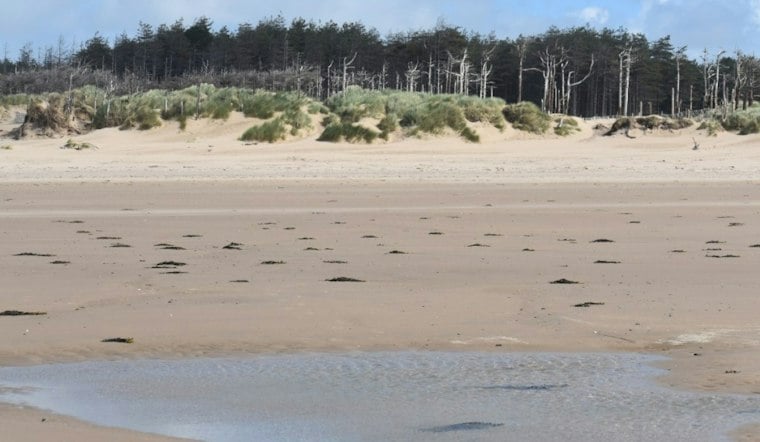
A 195-acre stretch of ancient sand dunes, wetlands and mature forest near Gosport in northwestern Monroe County now has permanent protection, and conservationists say it is already teeming with life. Sycamore Land Trust says it has permanently protected Martin Dune Forest, a property sitting near the confluence of Beanblossom Creek and the White River, pushing the organization's total conserved acreage past 12,000.
The land trust reported it has conserved more than 12,000 acres, according to WBIW. Martin Dune Forest itself encompasses a mix of ancient sand dunes, mature forests, groundwater-fed wetlands, streams and former agricultural fields, the outlet reports. About 145 acres of the newly protected tract are forested, offering what Sycamore describes as essential nesting and stopover habitat for migratory birds.
The property's namesake dunes are ancient, and its dune-forest soils developed on windblown sand, supporting specialized plant and animal communities adapted to sandy conditions. During a single survey lasting two and a half hours, Sycamore staff documented 60 bird species on the property, the land trust's report notes. The land trust says the forest also provides habitat for the federally endangered Indiana bat along with other threatened bat species.
A Family's Decades of Stewardship
The acquisition preserves the longtime stewardship of the late John and Norma Martin, who cared for the property's wetlands and forests for years. Their children, Michael, Sarah, Tim and Martha, have carried forward that commitment, according to Sycamore Land Trust. The siblings said their father treasured his childhood land and wanted future generations to be able to share in its joy.
Tom Swinford, Sycamore Land Trust's land preservation director, said protecting Martin Dune Forest advances the organization's broader conservation work in the Beanblossom Creek Conservation Area. In fall 2025, Sycamore said the project had the potential to expand the conservation area to more than 2,600 acres; this year's announcement says the land is now permanently protected.
Roots Going Back Three Decades
Sycamore's work along Beanblossom Creek began more than three decades ago, in 1993, with a land donation from local conservationist Barbara Restle. The land trust plans long-term habitat restoration at Martin Dune Forest, including reforesting former agricultural fields, conducting plant and wildlife surveys, and enhancing native plant communities, the report states.
The project follows a pattern of steady expansion for Sycamore in northwestern Monroe County. In June 2018, the group acquired 84 acres to add to the nearby Beanblossom Bottoms Nature Preserve, with plans at the time to keep the farmland in cultivation while raising money to restore it to more natural habitat, according to WFYI.
Restoration Efforts Across the Conservation Area
Just over a week before the Martin Dune Forest announcement, Sycamore reopened Powell Preserve in northern Monroe County on Nov. 9 after a five-year restoration project, as reported by the Indiana Daily Student. That preserve had closed in 2021 after heavy rains damaged its parking area and significantly eroded part of Beanblossom Creek running through it. Sycamore and its collaborators reconstructed an 800-foot section of the creek designed to handle bigger floods going forward, the student newspaper reported.
Sycamore is also building its first permanent environmental education facility nearby. Construction was underway this past August on the Carl Ziegler Wetlands and Education Center near Dolan in Monroe County, according to Indiana Public Media. The center is scheduled to open in 2027 and will serve as the first permanent home for Sycamore's environmental education program, featuring indoor and outdoor classrooms alongside restored wetlands, per the same report.





