

























































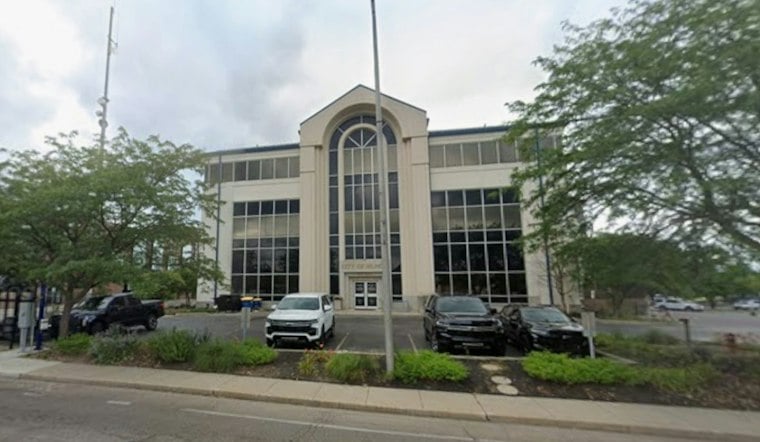
Three Muncie City Council members filed an ordinance that would require a council vote before any city department, including the police department, can buy, lease, or even accept a free drone. The measure, filed on November 17, would also apply to license plate readers and facial recognition systems, and it arrives after months of scrutiny over how the Muncie Police Department has struck surveillance deals without council sign-off.
Council members Nora Powell, Harold Mason, and William McIntosh filed the ordinance, according to Muncie Voice, which reports the council is scheduled to formally introduce the bill on December 7, with adoption expected in January. As of November 21, the city had not posted an agenda for that meeting, according to DroneXL. Formally, the bill would add Chapter 105, titled Automated Surveillance Technologies and Drones, to the Muncie city code, per the same outlet.
What Ordinance 29-26 Would Actually Require
Under the proposal, known as Ordinance 29-26, a majority vote of the Common Council would be required before any city entity buys, leases, or accepts a drone system, per DroneXL's review of the bill. That requirement would reach further than a simple purchase order: it would cover drones acquired at any cost and regardless of who pays, including zero-cost donations and vendor-sponsored pilot programs, and it would extend to grants and agreements struck with other governments, DroneXL reports.
The bill would also block renewal of existing drone leases, service agreements, and software licenses without council approval, and it would bar automated feeds of surveillance data to private networks for any authorized system, Muncie Voice reports. Contracts signed without the required council vote would be void under the ordinance, and any money spent on an unauthorized contract would have to be reported to the Indiana State Board of Accounts, according to DroneXL.
Civilian oversight would come with a paper trail. The ordinance would require quarterly reports to the council on authorized systems and mandate deletion of non-investigative drone imagery within 30 days, while imagery tied to a court order or warrant-backed investigation could be retained, per DroneXL's reporting. It remains unclear under the bill whether a drone acquired before the ordinance would count as an authorized system going forward, the outlet notes. Plate readers on city poles could remain switched on if disabling them would breach a contract, but would have to be removed when the contract ends; the bill would not order existing drones to be removed or grounded — the police department would retain use of any drones it already owns outright, DroneXL reports.
The Rooftop Drone Fight That Started It
The ordinance follows a contentious council debate earlier this year over where police drones should even be based. A resolution filed February 17 proposed a five-year agreement with Delaware County for a police drone charging base atop the county building at 100 W. Main Street, with Muncie covering installation, power, insurance, and any roof damage, according to DroneXL. The Star Press reported that what began as a routine resolution on March 2 turned into a wide-ranging debate on aerial surveillance, and the council tabled it in a 6-3 vote.
Police Chief Nathan Sloan told the council that installing the charging station would cost under $5,000 and would be covered by police department funding rather than the city's general fund, the Star Press reported. The resolution concerned permission to install a power station, while the debate also addressed broader questions of drone use. Sloan said the department had operated its drone program for eight to 10 years, using it to locate fleeing suspects, assist in search and rescue, document crime and accident scenes, and support tactical operations. Council members pushed back, requesting a written drone policy and a cost estimate before voting and referring broader drone policy questions to the public services committee, per DroneXL.
A Separate Fight Over License Plate Cameras
The surveillance ordinance did not emerge in isolation. It follows months of local reporting on the police department's Flock Safety license plate cameras, and the bill specifically names Flock Safety in its definition of a plate reader, according to DroneXL. Muncie Voice has reported that it sent council members a proposed ordinance in September, built on a contract and invoices the outlet said it obtained through a public records request.
That reporting found the police chief signed a 60-month, $300,000 agreement for 24 Flock cameras in December 2023 without a council vote, and that the department transferred its Flock contract to Prairie Creek Reservoir in October, per Muncie Voice. DroneXL notes that Muncie Voice's report did not claim a council vote was legally required for that camera contract, and that DroneXL itself had not independently reviewed the records cited.
Where Muncie Fits in a National Drone Push
Muncie's debate lands amid a broader expansion of police drone programs nationwide. The Electronic Frontier Foundation reported that as of February 2026, more than 1,000 public safety agencies nationwide had received the FAA waivers needed to automate drone flights and launch drone-as-first-responder programs — more waivers issued between April 2025 and February 2026 than in the previous seven years combined, according to the Electronic Frontier Foundation. Such programs typically rely on launchpads placed around a city, often atop municipal buildings, letting one operator manage multiple drones, the group notes.
Nearby departments have already moved in that direction. South Bend police announced the launch of a Drone as First Responder program in March, with a drone that launches from a rooftop box at department headquarters and can be deployed at the discretion of Real Time Crime Center analysts once a 911 call comes in, according to WVPE. The department publishes maps of the drone's flight paths on its Transparency Hub eight hours after each flight, the station reported. Knoxville's program, meanwhile, uses 12 drone docks around the city designed to reach nearly any area within 90 seconds in response to 911 calls where aerial coverage might help, and its FAQ says recorded footage is purged after 15 days unless kept as evidence in an ongoing investigation or prosecution, according to Tom's Hardware.
Not every city has given its council a say before acting. In Detroit, police applied for a $2.2 million federal drone grant before City Council had seen it, a submission officials said was completed abruptly to meet a June 10 deadline, as reported by BridgeDetroit. The outlet reported city officials were considering whether to withdraw the application.
A Columnist's Case for the Council Vote
Writing in DroneXL, Haye Kesteloo argued that Muncie should approve drone acquisitions by a public vote, while objecting to lumping drones in with mass-surveillance technology like cell-site simulators. He wrote that police drone oversight should instead track where drones fly, why, and how the resulting video is handled, and said the ordinance's 30-day deletion rule and quarterly reporting requirement would provide substantial oversight on their own.





