

























































Nearly half of Illinois residents — 45% — say they are not always able to afford enough food, according to a new survey from Hunger Free America, a finding that arrives as state SNAP enrollment has sunk to its lowest point in 17 years and a Northwest Side food pantry reports more people walking through its doors than ever before.
The survey results, reported by WTTW News, show food insecurity in Illinois has more than tripled over the past two years, according to Amy Dolan, Chicago food action board coordinator at Hunger Free America. Dolan pointed to federal changes to SNAP requirements and cuts to grants that serve the country's most in-need families as part of the backdrop for the surge, the outlet reported. Meanwhile, Illinois Department of Human Services data cited in the report shows SNAP participation statewide is at its lowest level since 2009.
SNAP Rolls Shrink Even As Need Grows
The decline in enrollment shows up starkly in state data. Illinois SNAP enrollment totaled 1.565 million individuals in May 2026, 343,000 people — or 18% — below its January 2025 level, according to an analysis from the Civic Federation. Nearly 90,000 people left the SNAP rolls between April and May 2026 alone, the steepest single-month drop since September 2023, the same analysis found.
The Civic Federation also reported that Illinois has struggled to improve the accuracy of its SNAP payments, with the state's error rate climbing from 11.56% in federal fiscal year 2024 to 14.67% in fiscal year 2025. A federal law known as P.L. 119-21 expanded the population subject to the program's work requirements for able-bodied adults without dependents and narrowed available waivers and exemptions, according to a Congressional Research Service summary.
A Northwest Side Pantry Feels the Strain
At the Friendship Center, a food pantry on Chicago's Northwest Side, executive director Nadia Jiménez says more people than ever are using the center's services, per WTTW's reporting. The pantry offers grocery distribution four times a week along with grocery delivery and a hot meal program, and it aims to provide dignified care and culturally inclusive services.
The center's own account of its hot meal program, published on its website, backs up that picture of rising demand. Friendship Center Chicago says the weekly hot meal program serves an average of 260 clients, and in recent weeks has served 320 or more meals in a single evening — a volume the organization attributes to demand for fresh meals increasing amid economic pressures. A recent meal cost just 6 cents per plate, or roughly $20 to serve about 300 people, according to the same source.
As of July 1, 2025, the pantry has opened its doors to any Cook County resident without requiring paperwork, though households are limited to two visits per month, Friendship Center Chicago says. Its hot meals to go are distributed Thursdays from 6 to 7:30 p.m., or until supplies run out.
Grocery Closures Compound the Problem
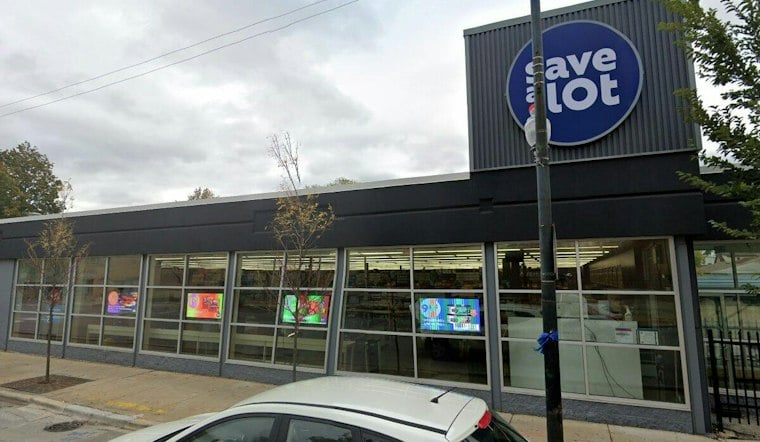
The squeeze on household budgets has coincided with a shrinking map of grocery options in parts of the city. Seven Save A Lot stores on Chicago's South and West sides closed, and residents have since turned to food pantries, soup kitchens and other free meal programs to fill the gap, according to WTTW's reporting. Block Club Chicago reported that the closures, in Auburn Gresham, Englewood, South Chicago, South Shore, West Garfield Park, West Lawn and West Pullman, took effect on July 25, 2026.
Residents told Block Club Chicago the closures could mean traveling farther — and possibly paying more — to secure fresh food and other daily essentials. A deputy commissioner with the city's Planning Department said the city's goal was prompt reopening of the shuttered stores, potentially with one or more new suppliers or operators, according to that report.
Families Weigh Impossible Trade-Offs
For families already stretched thin, the consequences show up at the kitchen table. Parents receiving food assistance struggle with finding nutritious meals and sufficient portion sizes, and food-insecure families face difficult daily choices about how to spend limited money, per WTTW's reporting. Some households may need to choose between feeding children, paying rent or caring for pets, the outlet reported.
The issue has also surfaced in the political arena, with the recent midterm election focused on affordability, including grocery, gas and housing costs, according to the same report. Jiménez said lasting impacts require change at the federal, state and local levels, and that the momentum for change must continue immediately — a message aimed at policymakers as Illinois households continue to feel the pinch heading into the winter months.




