

























































A community solar project planned for Baltimore Drive in Paxton has cleared a major hurdle, with the city council approving an annexation agreement that brings the site into city limits and sets up what developers describe as a dual-use farm: solar panels generating electricity while hay grows between and beneath the rows. The 4.95-MW AC facility is being developed by Lightstar Renewables in partnership with the City of Paxton, and the company says it could save local subscribers roughly 10% on their electricity costs.
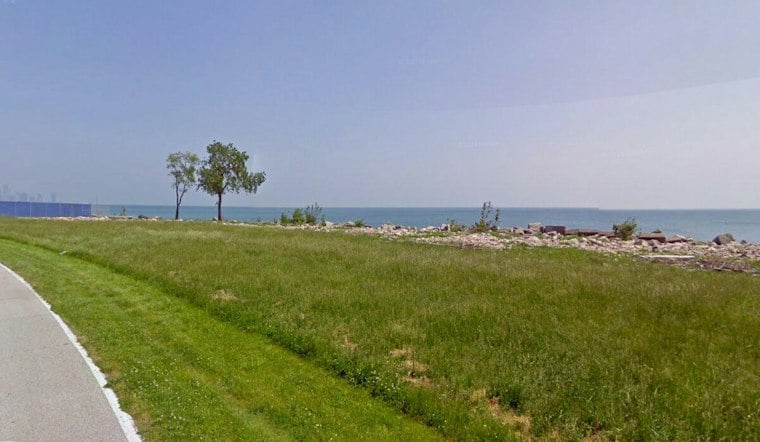
According to a release from Lightstar Renewables, the project sits on approximately 35 acres of privately owned land and would send power into the local distribution grid, with no battery storage included in the design. The site currently carries agricultural zoning but will shift to industrial classification as part of the annexation, which the company says gives Paxton jurisdiction over land that was previously unincorporated. Community solar itself works by letting households, businesses, and public entities subscribe to a share of a local project and receive electric-bill credits, without having to install rooftop panels of their own.
Exactly how much land the project will ultimately use remains a bit murky. Lightstar's own announcement describes approximately 35 acres, while SolarPowerWorld reports the array will occupy 30 of those 35 acres, avoiding a wetland. Earlier reporting from the Ford County Chronicle, in a September article, had described a different footprint altogether: 25 acres carved out of a larger 45-acre parcel. The exact boundaries of the finished site have not been independently confirmed.
Council Took Its Time Before Signing Off
The path to annexation wasn't instant. Back in September, the Ford County Chronicle reported that the council had approved rezoning the parcel to M-3 manufacturing classification and issued a special-use permit, but held off on the annexation vote itself, with city official Schuering suggesting the council wait until its October 13 meeting to act. Lightstar's November announcement confirms the annexation agreement has since been approved, formally making the project site part of the city.
Kyle McAdam, the senior development manager leading the Baltimore Drive project, said the arrangement accomplishes several goals at once. McAdam said the agreement keeps tax revenue in the city, delivers savings to local subscribers, and locates the project on what he called a community-compatible site. The company and the city are also entering into a community benefit agreement that includes additional contributions from Lightstar to Paxton, beyond the standard tax arrangement.
Lightstar has estimated the project could generate more than $37,000 in property-tax revenue for Paxton in its first year online, and more than $600,000 over the project's lifetime, according to the same Ford County Chronicle reporting. The company says the project won't add demand on city water, sewer, or schools, framing it as a steady revenue source that supports the tax base and city services for decades without the infrastructure costs that typically come with new development.
Why This Particular Stretch Of Baltimore Drive
Lightstar says the site was chosen in part for its strong interconnection to the local grid, an interested landowner, and a location between Interstate 57 and a manufacturing facility that keeps it set apart from nearby homes. The Ford County Chronicle reported separately that Lightstar already holds an existing interconnection agreement with Ameren Illinois and would cover the cost of any required electric-line upgrades.
Before reaching this stage, Lightstar says it completed a Phase I environmental site assessment, a wetland delineation, federal and state endangered species reviews, a visual impact analysis, and historical consultation, including with the Illinois State Historic Preservation Office. That wetland delineation identified one small wetland in the parcel's southeast corner, and the company says the project is designed to avoid it. The federal and state species consultations, per the announcement, confirmed no threatened or endangered species would be affected, and Lightstar anticipates no adverse environmental, visual, or cultural impacts.
The system will rely on single-axis trackers that follow the sun through the day, topping out at a maximum height of 12 feet, and the site will include livestock-style fencing. Landowners involved keep ownership of their land under Lightstar's approach, signing lease terms of 20 years or more in exchange for predictable lease income. Once the project eventually reaches the end of its service life, Lightstar says the land could be returned to agricultural use, repurposed for community needs, or re-energized with newer solar technology.
Hay Farming Alongside The Panels
The agrivoltaic concept at the heart of the Baltimore Drive project — combining solar generation with continued agricultural use of the same land — isn't new to Lightstar. The company points to its DiMartino Farm project in Montgomery, New York, which it describes as that state's first permitted agrivoltaics project, where hay is cut and baled between the panels. Lightstar says it evaluates every Illinois property it considers for dual-use potential, designing agrivoltaic sites so that farm equipment can still work the land while it stays in agricultural production.
Lightstar has tried this formula before in Illinois. As reported by pv magazine USA in 2024, the company's Nesler Road project, also a 4.95-MW facility, was successfully permitted on 36 acres after Lightstar revised its site plan to move the solar array farther from a neighboring horse farm, following concerns from neighbors about property values and views. That project was expected to generate enough power for 1,100 Illinois homes annually while cultivating hay alongside the panels.
Illinois has seen other projects pursue similar dual-use arrangements. In Grundy County, the county board approved a permit modification in August allowing a 25-acre solar farm in Gardner to grow alfalfa and hay beneath its panels, with local farmer Joe Houlihan expected to work the crops, a project Shaw Local reported aligns with Illinois Shines' agrovoltaics requirement.
Part Of A Broader Illinois Push
Lightstar frames the Baltimore Drive project as one piece of a larger state push toward renewable energy. The company's announcement ties the project to Illinois's Climate and Equitable Jobs Act, which sets a target of 100% clean energy by 2050, and to the Illinois Shines Adjustable Block Program, which the company says is expanding opportunities for community solar statewide. Lightstar says it evaluates every Illinois project it develops for eligibility under the state's clean energy programs.
The company describes itself as developing community solar, agrivoltaic solar, and battery energy storage projects across Illinois, with a national pipeline of more than 1,000 MW spread across 15 states, according to the 2024 pv magazine USA report. Lightstar says it manages development in-house from site evaluation through permitting and interconnection, and that Illinois landowners, municipalities, and clean energy partners can request a free, no-obligation site assessment.
Not every Ford County solar proposal looks like Baltimore Drive. The Ford County Chronicle has also reported on a far larger project from Earthrise Energy — a 135-MW solar farm proposed on 1,257 acres near Gibson City, which the company estimated would bring in $23.9 million in local property-tax revenue over a 35-year span. By comparison, Baltimore Drive is a modest, community-scale project, with Lightstar targeting construction to begin in fall 2027 once all required permits are secured.
Ford County's zoning ordinance, according to the county government's own website, applies to unincorporated areas and villages without their own zoning codes, directing property owners within Gibson City, Paxton, or Piper City to work directly with those municipalities instead. That distinction helps explain why Paxton's own council, rather than the county board, has been the body voting on annexation, rezoning, and permitting for the Baltimore Drive site.





