

























































A Quincy man accused of mailing hoax letters stuffed with a white granular substance to Illinois members of Congress has agreed to stay behind bars until his trial next month, waiving his right to fight prosecutors' request to keep him detained. Matthew Unglesbee, 36, faces federal charges of mailing threatening communications, false information and hoaxes, and his jury trial is set to begin Dec. 7.
According to the Chicago Sun-Times, Unglesbee waived his right to challenge prosecutors' bid to keep him locked up, and he will remain in custody while awaiting trial. His appointed attorney, Roxanne Mendez Johnson, told the court, “We will concede to detention,” and Unglesbee told the judge he understood his decision and had not been threatened or offered anything in exchange. The complaint against him was filed in the Central District of Illinois.
Per an FBI affidavit cited by the Sun-Times, Unglesbee allegedly admitted in writing that he sent letters containing a white, granular substance along with handwritten messages. Those messages reportedly included the phrases “ha ha” and “hah enjoy the gift.” Preliminary testing found no toxins in the substance, the newspaper reported, though Unglesbee allegedly told agents the substance was salt and that he used it because it resembled anthrax.
A Joke That Prosecutors Aren't Laughing At
Unglesbee has claimed he was joking, but he also said he knew the powder would be taken seriously and would have “hazmat come in white suits,” per the same affidavit account relayed by the Sun-Times. The four letters at the center of the case were postmarked in Springfield on Oct. 19, according to WCIA. Investigators also found an empty, unmailed envelope addressed to a congressional office in Washington, D.C., while searching his home, the Sun-Times reported. The complaint does not identify the four congressional recipients by name.
The U.S. Department of Justice's office for the Central District of Illinois says Unglesbee was arrested on Oct. 25 after federal authorities executed a search warrant, according to a release from the U.S. Attorney's Office for the Central District of Illinois. The Los Angeles Times, in its own reporting on the case, described Unglesbee as 37 years old, a detail that conflicts with the Sun-Times' account of his age as 36.
Lawmakers Report a Wave of Suspicious Mail
Illinois lawmakers have reported receiving suspicious mail in recent weeks, and several tied the arrest directly to letters sent to their own offices. Tammy Duckworth's Chicago office confirmed receiving two suspicious letters in recent weeks, the Sun-Times reported. Mike Quigley and Jan Schakowsky, both Democratic U.S. representatives from Illinois, said their offices each received a second round of letters, and both issued statements indicating the arrest was connected to mail their offices had received.
The Quincy case lands amid a much broader wave of threatening mail nationwide. More than three dozen congressional lawmakers and election offices across at least 32 states have been targeted with suspicious letters, many containing white powder, according to Axios. Law enforcement sources told ABC News, as cited by Axios, that more than 100 letters were estimated to be circulating around the country. The FBI has said it is working to identify senders but has not determined where the letters are coming from or whether they are part of a coordinated attack, per Axios.
Evacuations and Echoes of 2001
The scale of the disruption has already forced real-world responses in other states. Rep. Adam Smith's district office in Washington state received a letter on a Monday that prompted a staff evacuation, with employees returning the following day, Axios reported. Authorities also intercepted letters addressed to election offices in Ohio, Minnesota and Connecticut, while mail arriving in Oklahoma, Arizona and Delaware prompted evacuations there as well, according to the same Axios report.
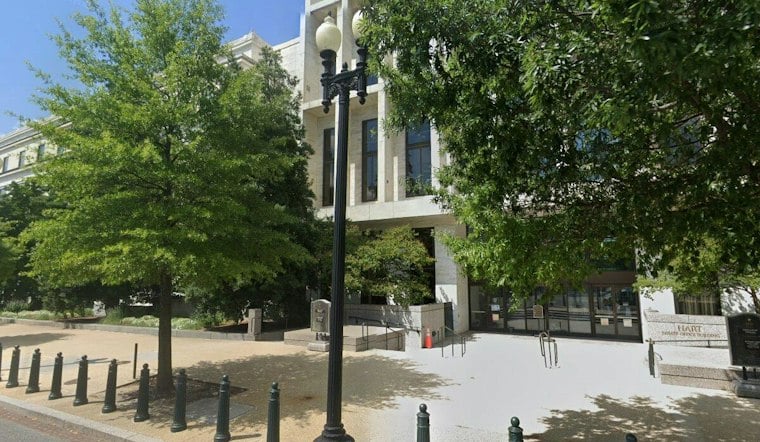
Axios also noted the historical weight such letters carry: on Oct. 15, 2001, a staffer opened an anthrax-laced letter in the office of then-Senate Majority Leader Tom Daschle, forcing the Hart Senate Office Building to close for months. Nothing in the current reporting ties Unglesbee's letters to that broader nationwide wave or confirms any coordination between incidents. For now, his case remains a standalone federal prosecution, with the Quincy man set to face a jury on Dec. 7.




