

























































Roughly 50 veterans who are blind or visually impaired walked away from a Veterans Day event in Rosemont on Friday with a new pair of Ray-Ban Meta AI glasses, free of charge, along with hands-on lessons in how to use them for everything from reading mail to navigating a sidewalk. The glasses are part of a nationwide push by Meta to put the camera-equipped, voice-activated devices into the hands of veterans who have lost some or all of their vision.
According to FOX 32 Chicago, Meta has teamed up with the Blinded Veterans Association with plans to provide free Ray-Ban Meta AI glasses to 130,000 veterans across the country. Meta representatives on site in Rosemont walked attendees through day-to-day tasks the glasses are designed to support, including sending emails, using GPS navigation, making phone calls, listening to music and reading.
Hands-Free Help From a Fellow Veteran
Anthony Woodson, a U.S. Army veteran who serves as president of the Blinded Veterans Association's Illinois Regional Group, said he uses the glasses himself and described how they change simple, everyday tasks for someone navigating the world with a cane. “So now, you can do all of that hands-free,” Woodson told the station. He added that the devices can do more than handle logistics — they can restore a sense of independence. “These glasses can show them that they can get out and do things they used to do,” Woodson said.
Woodson pointed to one striking example from a fellow veteran, who used the glasses to map out a golf course — a task that would otherwise require a sighted companion or extensive memorization. The moment captures what organizers say is the broader goal of the rollout: letting veterans reclaim activities that vision loss had put out of reach.
A Surprise Gift for a Marine in Town for a Reunion
Mike Wooff, a U.S. Marine Corps veteran, happened to be in the Chicago area for a reunion with fellow Marines he served with when he attended the Rosemont event. He admitted he expected to pay for the technology. “I was surprised, I thought, ‘okay, I obviously have to pay for them,’ and they said, no, it's a gift for being a veteran,” Wooff said.
The Blinded Veterans Association, which was founded by veterans in 1945, has seen demand outpace supply. The organization says on its website that all new requests for Meta glasses are now being added to a waitlist, and that the Blinded Veterans Association is distributing the glasses to established members first. Processing applications is taking longer than usual, the group says, because of the volume of interest forms coming in.
How the Nationwide Program Is Structured
The donation effort traces back to a June announcement in which Meta said it would donate Ray-Ban Meta glasses to every blind veteran in America at no cost to veterans. The company said more than 130,000 American veterans are legally blind and would be eligible, and that it would provide hands-on training with every single pair, teaming up with the Blinded Veterans Association, according to a statement posted on Meta's newsroom.
The logistics of that pledge run through TechSoup, a nonprofit technology distributor. TechSoup describes the effort somewhat differently on its own site, stating that the program is capped at 130,000 units of Ray-Ban Meta Gen 1 AI glasses. The distributor notes the offer is limited to qualifying U.S. tax-exempt charitable organizations that support blind or low-vision veterans. Blind and low-vision veterans can request glasses through BVA by becoming members and completing a membership application; eligible nonprofits can also apply through TechSoup.
What the Glasses Can and Cannot Do
The devices rely on a connected smartphone or tablet to function. A review from the American Foundation for the Blind's AccessWorld publication explains that all the AI processing happens on the smart device in a user's pocket, backpack or purse rather than on the glasses themselves. That same review offers a caution worth noting alongside the celebratory tone of the Rosemont giveaway: the glasses are not yet able to provide reliable navigation directions or replace tools like a white cane.
Camera-equipped smart glasses have also raised privacy concerns in recent years, a tension that shadows even feel-good distribution events like the one in Rosemont, though the Rosemont event itself focused on training and testimonials rather than those broader debates.
A Pattern Playing Out Across the Country
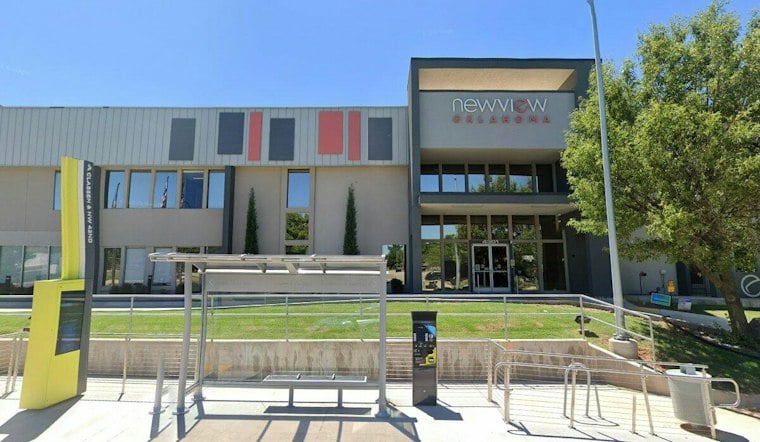
Rosemont is only the latest stop in a string of similar handouts. In Memphis, local blind veterans received free Ray-Ban AI glasses from Meta designed to help them navigate daily life, according to Action News 5. In Oklahoma City, blind and low-vision veterans received the same AI-powered glasses at NewView Oklahoma and were trained on how to use them, per KOCO.
In Austin, Air Force veteran Gary Hayes received his free glasses at an event at the J.J. Pickle Research Campus, as reported by the Austin American-Statesman. Hayes used the technology to send his wife, Madelon, his first text without asking her to type it for him — a two-word message: “I love you.” And according to KVIA, some veterans on an upcoming Honor Flight to Washington, D.C., may bring their glasses along for the trip.
For the veterans who left the Rosemont event Friday with glasses in hand, the technology represents something more immediate than a corporate rollout number: a chance to send a message, find a golf hole or simply move through the day without asking for help.




