

























































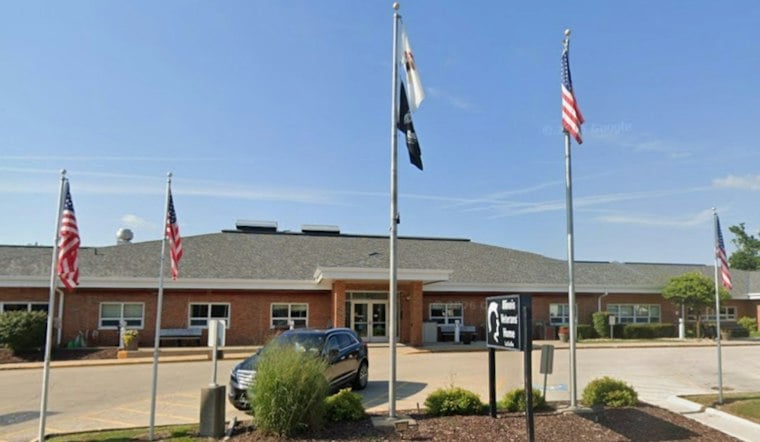
Six years after COVID-19 tore through the Illinois Veterans Home in La Salle and killed 36 residents, the families who lost fathers and grandfathers are still waiting for their day of reckoning against the state. Lawsuits filed by 32 of those families are only now reaching the deposition stage, nearly six years after the outbreak.
State Sen. Sue Rezin, a Republican who represents the 38th District covering the veterans home, has called for an expedited resolution to what she describes as a yearslong legal battle between the state and the families, according to Shaw Local. The outbreak, which struck in November 2020, produced 203 positive COVID-19 cases among staff and residents and ultimately claimed the lives of 36 veterans, the outlet has reported.
Families Describe Losing Loved Ones in Isolation
Kim Kardas said his father, Arthur, lived at the veterans home and that the family was in the middle of making funeral arrangements during the outbreak. Kardas said his family was fortunate that he was able to say goodbye to his father, while his brother Jim watched Arthur die.
Lindsay Lamb said her grandfather, Richard Cieski, died at the home during the outbreak. Lamb said she was not able to say goodbye to him because she was caring for her mother and grandmother at the time and feared exposing them to COVID. She said her grandmother has since died without ever seeing the legal battle resolved, and that her own mother is getting older while the case drags on.
A Delayed Response and a Slow-Moving Lawsuit
Rezin said it took 11 days for state public officials to conduct an onsite visit, where inspectors identified improper protective equipment practices and hand sanitizer that did not contain alcohol. Many of the 36 veterans who died were World War II veterans in their late 90s and 100s, Rezin said, and the sons and daughters now seeking resolution are in their 80s.
According to Rezin’s account, the state inspector general described the veterans home’s pandemic response as inefficient, reactive and chaotic. An Illinois auditor general’s report found that officials received regular updates about the growing outbreak but failed to recognize and respond to its seriousness, the same account indicates.
The 32 families filed their lawsuits against the state of Illinois in 2022, and the cases were refiled after a two-year delay, per a 2024 Shaw Local report. A La Salle County judge denied the state’s motion to move the cases to the Court of Claims, allowing them to proceed in county court. Nearly six years after the outbreak, the cases are only now beginning depositions, a stage Rezin said will take years longer to play out.
Comparing La Salle to Quincy’s Faster Settlement
Rezin compared the La Salle cases’ more-than-six-year wait to a separate Illinois veterans home crisis: the Legionnaires’ disease outbreak at the Quincy veterans home. She said settlements in the Quincy cases were reached in approximately 15 months after the governor’s office called for an expedited resolution, a stark contrast to the pace of the La Salle litigation.
Illinois agreed to nearly $6.4 million in settlements tied to a 2015 Legionnaires’ outbreak at the Quincy home, with individual settlements ranging between $75,000 and $775,000 per resident’s estate, according to NPR. NPR reported that outbreak killed 12 residents, while WBEZ has reported that 14 people died after contracting Legionnaires’ disease at the home; the two accounts differ on the scope of the death toll. NPR also reported that the Quincy settlements did not include an explicit acknowledgement of wrongdoing by the state.
Rezin said the La Salle Veterans Home’s new administrator has implemented changes since the outbreak. Still, families of the veterans who died continue to wait for state action and a resolution to the legal battle, which has involved several lawsuits.





