

























































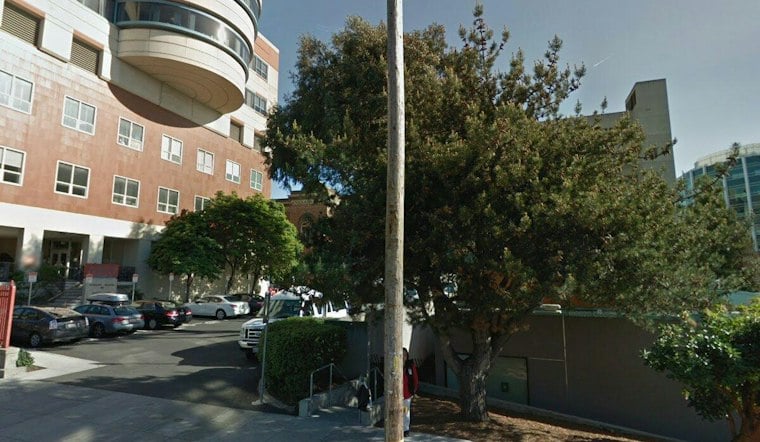
More than 50 doctors, nurses and immigrant rights advocates gathered outside a University of California Board of Regents meeting at UCSF's Mission Bay campus on Tuesday, demanding that UC keep immigration agents out of its hospitals and adopt systemwide rules to protect patients in ICE custody. The demonstrators said agents have pressured doctors to discharge patients before safe medical plans were in place and have blocked some detained patients from reaching family members or attorneys.
As Mission Local reported, the rally drew resident physicians and nurses who say they've watched immigration enforcement complicate basic medical care. National Nurses United described resident physicians and nurses from across the UC system as participants. Dr. SatKartar Khalsa, a fourth-year emergency medicine resident at San Francisco General Hospital and regional vice president of the resident physicians' union, said agents sometimes refuse requests to leave examination rooms and that their presence creates fear throughout the hospital. A separate statement from National Nurses United echoed that message, with Khalsa saying, “The presence of immigration enforcement in our hospitals undermines our ability to provide care.”
Francesco Sergi, a resident physician at UCSF, described helping care for a young man brought to a San Francisco emergency department by immigration enforcement agents earlier this year. Medical staff contacted the man's relatives to let them know he was alive and being treated, Sergi said. He added that UCSF resident physicians at the rally had cared for roughly 10 patients in ICE custody at San Francisco hospitals over the past year, and said patients should feel safe accessing care.
What the Coalition Is Asking UC To Do
The rally coalition said it planned to deliver formal public testimony at the Board of Regents meeting on Wednesday, pressing the university to adopt the state attorney general's updated guidelines alongside new protocols, staff training and accountability measures, according to the statement from National Nurses United. Khalsa and Sergi both said they had not personally witnessed an ICE raid at a hospital, but described patients who delayed care out of fear of immigration authorities — including diabetes patients who later needed intensive care after going without insulin, and others whose untreated high blood pressure caused organ damage.
UC already adopted the California attorney general's September 2026 guidelines as systemwide policy, UC Health said in an emailed statement, adding that it is committed to safe, compassionate care for every patient regardless of immigration status. Khalsa said existing UC policies more directly address agents entering hospitals to search for someone than they do ICE bringing patients already in its custody for treatment — a gap the UC resident physicians' union is trying to close with a proposed eight-page model policy that would require staff to ask ICE to leave during exams, facilitate confidential communication with patients, and prevent agents from making medical decisions. That proposal would also require written assurances about medications, equipment and follow-up treatment before a patient returns to detention.
What UC's Formal Policy Already Says
UC has a systemwide policy on responding to immigration enforcement at its medical centers and hospitals, including UC-owned children's hospitals, according to University of California Office of the President policy documents. The policy addresses how those facilities respond to immigration enforcement.
Meanwhile, California Senate Bill 81, enacted in September 2025, allows ICE agents to accompany people already in their custody to medical appointments, according to Mission Local's reporting. A separate measure, SB 915, would go further: bill text reviewed via California Legislative Information shows it would require health care provider entities to ask immigration enforcement officers to step out of the room when discussing patient care, performing physical exams or providing treatment, with some exceptions.
Echoes From Highland Hospital in Oakland
The UCSF rally comes against the backdrop of a widely discussed case at Highland Hospital in Oakland, where immigrant patients have reported canceling or postponing appointments, or switching to telehealth, in the weeks since ICE's presence there, according to Oaklandside. Highland providers carry badges instructing them to refer legal questions to an on-call administrator, ask agents to leave the room during evaluations, and inform patients of their rights, the outlet reported. Alameda Health System said it is reviewing ways to strengthen and clarify its existing protocols, training and escalation processes, and said patients do not have to disclose their immigration status to receive care and may request telehealth depending on clinical needs.
The Highland case traces back to Eduardo Antonio Ruiz-Garcia, who was hospitalized there for six days with six broken ribs after ICE arrested him in Emeryville on Oct. 16, with agents remaining at the hospital throughout his stay, per the same outlet's earlier report. Alameda Health System officials said hospital personnel told a supervisor that agents had presented a warrant. A Centro Legal attorney said no judicial or administrative warrant had been provided, and that agents also attempted to influence medical decisions, asked hospital employees for private patient information, and refused to loosen Ruiz-Garcia's handcuffs during treatment. Healthcare workers at Highland have separately raised concerns that the hospital's protocols are not consistently followed. Immigrant patients interviewed by El Tímpano described the same pattern of canceled and postponed appointments.
A Pattern Playing Out Statewide
Similar episodes have surfaced elsewhere in California. A union representative told the Los Angeles Times that agents brought a patient to California Hospital Medical Center on Oct. 21 and remained in the room for almost a week. Los Angeles County hospitals adopted new policies in March addressing patient privacy and communication with family and lawyers for those in immigration custody, while the Community Clinic Association of Los Angeles County said clinics serving more than 2 million patients annually had already been implementing the state attorney general's guidance for months, according to KFF Health News.
Those attorney general guidelines require hospitals to protect patient information, notify administrators and consult legal counsel when agents seek access, and direct staff to ask agents to leave during exams and report refusals. A 2026 update to the guidance adds a new section on responding when patients are in custody for civil immigration law enforcement, per a copy posted by the state attorney general's office. Still, the guidelines and the proposed hospital policies do not establish how hospitals could actually compel detention facilities to deliver the follow-up care they promise once a patient returns to custody — a gap that remains unresolved as the rally coalition pushes UC regents for firmer commitments.
Also among those detained is Ann Lawani, a nurse and University of San Francisco professor who remains in ICE custody after being arrested at her home in Lodi in September, a case that UCSF nurses at Tuesday's rally cited amid broader fears for health care workers' own safety.



