

























































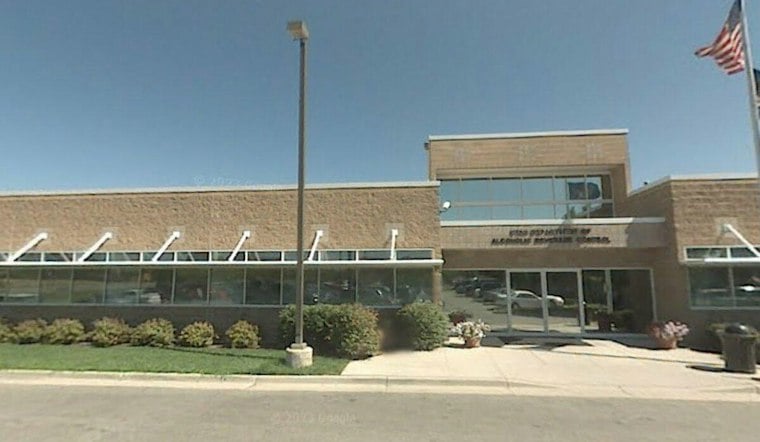
Utah residents bought fewer bottles, cans and pints for a third consecutive year, and the state's alcohol sales dropped to roughly $545 million in 2026, down from $551 million in 2025, $578 million in 2024 and $579 million in 2023. The slide matters beyond bar tabs and liquor store shelves, because Utah law channels 10% of gross liquor-sale revenue into school lunches for low-income students, tying a shrinking pot of money to a program meant to feed kids.
A Steady Decline in a State Known for Strict Liquor Rules
The figures come from the Utah Department of Alcoholic Beverage Services, which previewed its annual report for the most recent fiscal year to KUTV. Reporter Nate Carlisle's account lays out the three-year downward trend, even as Utah remains known for some of the strictest liquor laws in the country — a reputation rooted in the state's history, since Utah is also remembered for playing the deciding role in ending Prohibition nationwide, according to a photo caption in the KUTV report.
Separate monthly sales data paint a similar picture closer to the present. Per Utah Drops, total alcohol sales were down 3.2% in dollars from May through September 2026 compared with the same stretch a year earlier. Premixed cocktails were the one bright spot, growing even as wine, beer and spirits sales all dipped during those months.
Why the Dip Hits School Lunches
Utah law directs the Department of Alcoholic Beverage Services to deposit 10% of total gross revenue from liquor sales with the state treasurer, to be credited to the Uniform School Fund, according to the Utah Legislature's code. That cut has historically helped support the school meals program, and as sales keep falling, so does the automatic contribution tied to them.
Earlier in 2026, lawmakers weighed a proposal to lean on alcohol sales even more heavily to buy lunches for additional students, with the plan calling for 20% of alcohol sales to go toward that purpose. A February report from the station's report described the bill, SB180, sponsored by Sen. Luz Escamilla, as calling for the State Board of Education to use at least 20% of the cash credited to the Uniform School Fund to pay for lunches for students who would otherwise not qualify for reduced-price meals but whose family income sits at or below 200% of the federal poverty level, per the same account's companion coverage. The Senate Education Committee voted unanimously to advance the bill to the Senate floor, and the plan proposed drawing additional money from Utah's Public Education Economic Stabilization Restricted Account, capped at $5 million, to help cover meal costs. The evidence reviewed does not establish whether that bill's language was ultimately enacted or how it would be implemented.
Advocates Split Over Taxing Alcohol for Education
Not everyone is comfortable leaning on liquor sales to fund classrooms and cafeterias. Moe Hickey, executive director of Voices for Utah Children, told KUTV he would prefer lawmakers stop funding education and related programs at the cash register altogether, arguing instead for income taxes. “Income tax is the least regressive type of tax,” Hickey said, adding that sales taxes can be unstable based on economic trends. Still, Hickey indicated he might offer cautious support if a similar proposal returns in 2027, but only if no other funding option is put forward.
Kim Hall, who has worked in higher education, offered a different critique, saying alcohol's role in health is detrimental and questioning whether another everyday purchase could be taxed instead of alcohol to support the same programs.
Brewers Say They're Already Struggling
The sales slump isn't just a funding puzzle for lawmakers — it's a survival issue for the businesses pouring the drinks. Stephanie Biesecker, executive director of the Utah Brewers Guild, said Utah beer makers are experiencing a struggle, with many now producing nonalcoholic beverages to adapt to shifting demand. Brewers have also leaned into community events, including craft classes, bingo nights and drag shows, to keep customers coming through the door even as traditional alcohol sales soften.
Whether that adaptation is enough to steady Utah's alcohol industry, or to shore up the slice of revenue that flows to the Uniform School Fund, remains to be seen. For now, the trend line is clear: three straight years of declining sales, and a school lunch program that leans, at least in part, on Utahns continuing to buy drinks they're buying less of each year.




