

























































The Great Plains' grasslands, previously prevalent across the United States and Canada, are now threatened, according to a report from the Chicago Tribune. The World Wildlife Fund (WWF)'s annual Plowprint Report reveals that, in 2021, an area larger than Delaware was lost from the Great Plains. This loss equates to the destruction of 1.6 million acres of grasslands.
Expansion of row crop agriculture plays a significant part in this destruction. Yet despite the diminishing yields of the newly plowed land, as pointed out by the WWF, the grasslands continue to be developed for agricultural use. Such practices overlook the ecological importance of these grasslands, teeming with intricate root systems storing carbon and helping climate regulation.
According to Clay Bolt, the communications manager for WWF's Northern Great Plains program, these grassland's significance lies in their "upside-down forest" of roots. Plowing the lands releases the stored carbon into the atmosphere, contributing to the climate crisis. The WWF reports an alarming loss of about 32 million acres of landscapes since 2012, prompting discussions about environmental policy, land management, and ecological conservation.
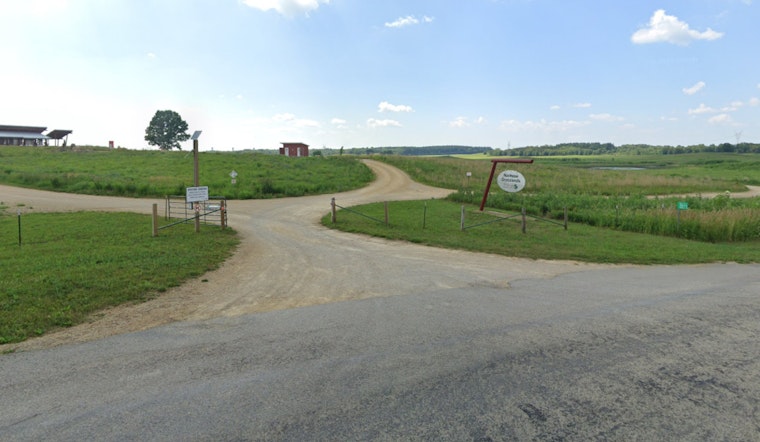
It highlights in the WWF report that much of the grassland plowing is on private land, presenting concerns about regulation. In comparison, federal-owned lands, such as the 9,000-acre Midewin National Tallgrass Prairie in Illinois, are under strict protection policies.
In response to these challenges, experts advocate for resources and strategies in a new farm bill and the proposed North American Grasslands Conservation Act. Aimed at supporting producers and farmers, these proposed policies could protect grasslands and encourage sustainable agricultural practices, thereby addressing the growing ecological crisis.
With the passing of updated farm bills and the North American Grasslands Conservation Act, slowing the conversion of grasslands into fields for agricultural use may be possible. As the Chicago Tribune reports, these policy changes could catalyze conservation programs aimed at mitigating climate change, improving water quality, containing soil carbon, and reducing erosion in grasslands and farmland across the nation.




