

























































A Cook County Circuit Court jury in Illinois ruled in favor of Tammy Reese yesterday, November 1. Reese, a Pennsylvania woman, suffered severe injuries following a 2017 cooking spray can explosion. Conagra Brands, a Chicago-based company, was ordered to pay her $7.1 million in damages, as reported by the Chicago Sun-Times.
While working in a social club kitchen in May 2017, Reese sustained second-degree burns on her head, face, arms, and hands when a can of Swell cooking spray exploded unexpectedly. Due to her continued restriction of movement from scarring, Reese launched a lawsuit against Conagra Brands, accusing them of selling a defective cooking spray can.
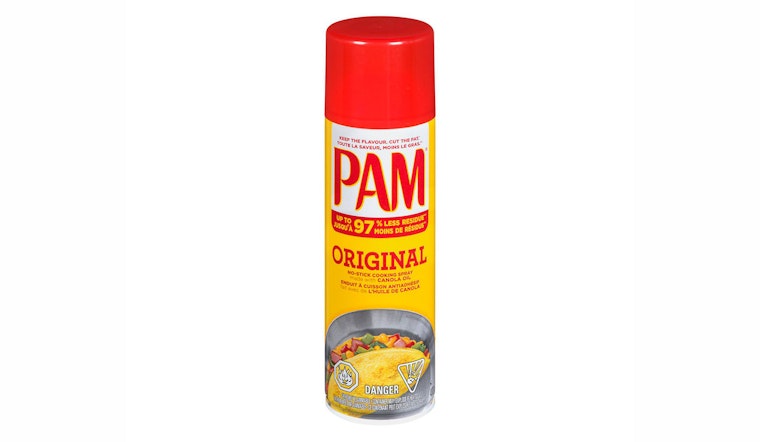
The jury awarded the plaintiff $3.1 million in compensatory damages and $4 million in punitive damages. Despite the verdict, Conagra Brands disagreed and reassured the public of their products' safety. The food corporation, parent to a myriad of well-known brands such as Pam, is considering various legal options, including filing an appeal, according to ABC7 Chicago.
Reese's case stands as the first among several other pending cases from victims of burns caused by various Conagra cooking spray brands. The reported number of cases filed across the country exceeds 50, per Attorney Craig Smith. However, Conagra has yet to issue a product recall for the cans deemed "defective" by afflicted parties, as reported by the Chicago Sun-Times.
Cans implicated in these accidents, from various brands and made between 2011 and 2019, are believed to have a venting system featuring a lower heat threshold than preceding models. These specific cans, when overheated, would activate vents at the can's bottom, leading to discharge of the pressurised flammable content. Consumers can identify these cans by looking for four small U-shaped slits at their bottom. Cans of 10 ounces or larger, rather than the commonly sold 6 ounce cans, are primarily affected.
In 2019, a limited number of the vent system cans were discontinued by Conagra due to a product redesign attempting to standardize design across all their cans. This redesign wasn't directly tied to the ongoing lawsuits. However, the company issued warnings about the unsafe storage of their cans near heat sources or using the cans near open flames. The Chicago Sun-Times cited that the can exploded near Reese, which was stored at about an 18-inch distance from the stove while she used it, a commonplace practice in commercial kitchens.
As these lawsuits continue to surface, it's critical to ensure consumers' awareness of potential hazards associated with cooking spray use and storage, underscoring the importance of adhering to manufacturers' safety guidelines.





