

























































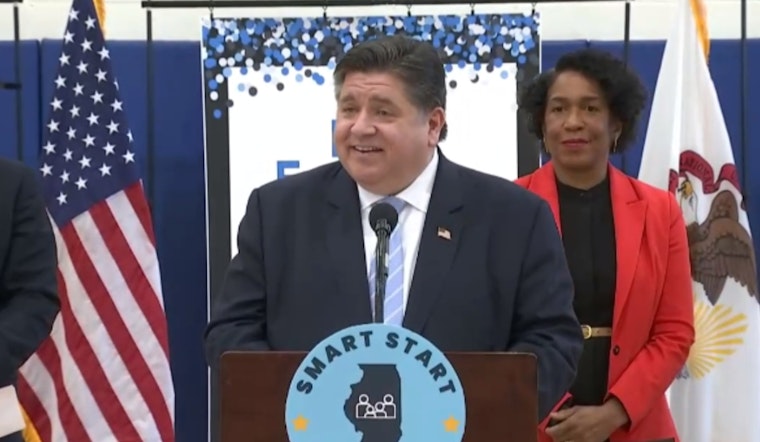
Gov. JB Pritzker and his administration have given Illinois' future a significant boost, announcing the successful addition of 5,886 new pre-kindergarten seats for children in areas starving for educational resources. Touted as a victory in the first-year strides of the state's Smart Start program, these seats are destined for what is known as preschool deserts, defined as locales where publicly funded preschool opportunities are scarce for low-income youngsters, as stated in an official release obtained by Illinois Government News. The news marks a landmark surge in early education, eclipsing the original aim of 5,000 spots by a hearty 18% margin. Strikingly, it signals the state's determined march towards eradicating educational inequities among its youngest residents.
"Smart Start is about making sure parents have the support they need to raise a family and children have the resources they need to succeed—no matter their background or zip code," Governor Pritzker stated, as he stood on the grounds, proud with the knowledge of the initiative's early success. ISBE's initiative has not only appealed to preschool-aged children but has also extended its embrace to even younger Illinoisans, boosting support for infants and toddlers, tallying up to 1,130 additional children served. The expansion has caught the eyes of not just Illinoisans, but also of those across the nation, as it sews the seeds of what might be a model for early childhood education across America.
Further outlining the strategy, Lieutenant Governor Juliana Stratton magnified the program's importance, stating, "Smart Start is establishing Illinois as a national leader in early childhood development." She emphasized how these foundational years set the stage for the future development of children into robust and resilient adults, which in turn shapes a more thriving society.
State Superintendent of Education Dr. Tony Sanders highlighted the groundbreaking nature of public preschool access, asserting that "High-quality early learning experiences equip children with the social-emotional, early math, and early literacy skills that lay the foundation for lifelong learning," as the state board soared past expectations. Just over $25 million in grants have been disbursed to various programs stationed across areas parched for such resources—implementing educational oases where deserts once sprawled.
Funds from the state budget to the tune of an additional $75 million, have energized ISBE's grants, bolstering both half-day and full-day preschools and providing critical resources for children from birth to age 3, including home visiting services. A profound focus has been placed on quality improvement of established programs, as well as increasing the compensation for early childhood educators, who have historically been paid less in comparison to their peers teaching older students.
The initiative is a continuum of Gov. Pritzker's unwavering commitment to early education, as evidenced by the significant funding upsurge—$179.4 million since his tenure started—for the Early Childhood Block Grant, serving more than 123,000 children. Legislative support is palpable, with voices like Rep. Jay Hoffman echoing the administration's sentiment, affirming, "Our children deserve to be prioritized, and investing in Smart Start will put the next generation on the path to unlocking their full potential."
As Illinois propels forward, eyes are keenly set on the upcoming application round for the next fiscal year, as the Smart Start initiative continues to pave pathways to potential—not just in preschool classrooms but in the communities that surround them, fostering a brighter, more accessible future for the state's children.





