

























































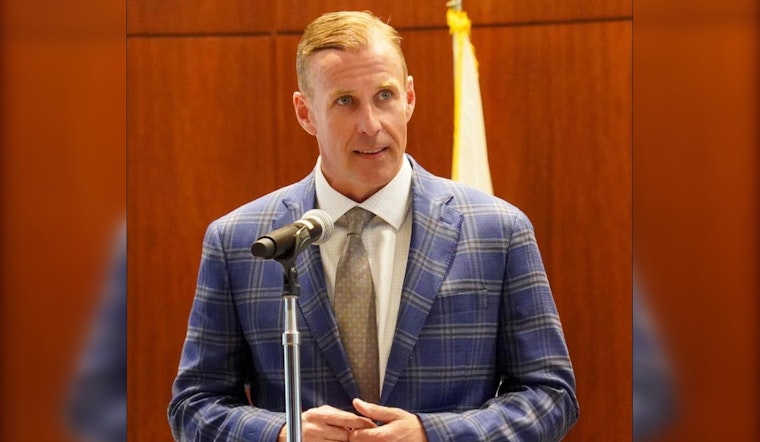
As Illinois grapples with an ongoing migrant crisis, one Naperville councilman is taking matters into his own hands with a proposal to match willing local residents with asylum-seekers in need of shelter. At a recent city council meeting, Councilman Josh McBroom floated the idea of creating a list of Naperville households ready to host these new arrivals, reported the Chicago Tribune.
Despite an apparent division among city officials, the proposal received some support. It has spurred staff to consider the feasibility of a grassroots hosting program with the idea of using the city's affluence as a haven for those in need. "We do have a very affluent community. A lot of big homes," McBroom said, emphasizing the potential in Naperville for private citizens to step up where government funds won't, as per the same Tribune report.
This initiative comes in the wake of Texas Governor Greg Abbott's decision to send over 30,000 migrants to the Chicago area, a practice which has now extended into collar counties like Naperville due to logistical shifts. McBroom's plan, although in preliminary stages, could offer a very direct form of assistance to these individuals, many of whom face chilling temperatures and scarcity of resources upon arrival. "I'm hearing stories about little kids at train stations without coats on," McBroom said, painting a grim picture of the migrants' plight to the Chicago Tribune.
In conjunction with local efforts, Illinois Gov. J.B. Pritzker announced $17 million in state funds to aid municipalities in addressing the migrant crisis, the Daily Herald reported. The Metropolitan Mayors Caucus, receiving $11 million of this aid, will allocate grants to communities that show a willingness to support migrants with housing and food. Simultaneously, McBroom acknowledges the complexity of his proposition, touching on concerns about local schools and city management roles, yet he stands by the initiative's necessity against what he calls the "inhumane" present state of affairs.
Details surrounding the execution of McBroom's proposal remain fuzzy. The issue stretches beyond the confines of city council discussions into the realms of logistics, legality, and ethical responsibility. Still, the groundswell for action in Naperville has shown that among the frostbitten winds, there is a warm undercurrent of human empathy seeking to rewrite the narrative for those stranded in the suburb's embrace. McBroom told the Daily Herald, "My idea would be let's find out ... let's find out who's willing to help."





