

























































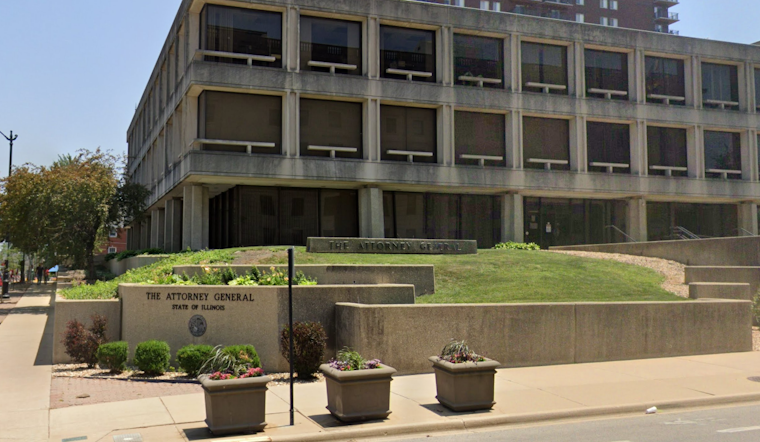
In a landmark victory for college sports, Attorney General Kwame Raoul has thrown a game-changing pass that's shaken the National Collegiate Athletic Association (NCAA), securing a settlement that champions the rights of student-athletes to transfer schools without facing unlawful barriers. The deal struck together with a squad of state attorneys general and the U.S. Department of Justice, promises to reshape the collegiate athletic landscape by permanently tossing out certain NCAA restrictions that have long kept athletes on the sidelines.
Raoul, running point with attorneys from ten states, slammed the NCAA with a lawsuit last December. The charge? Antitrust violations, relating to the association's iron grip on transfer eligibility rules. According to a statement from Raoul's office, the NCAA would red card athletes transferring for a second time with a one-year competition timeout, despite granting freer movement for first-timers in 2021. This uneven enforcement was branded both "arbitrary" and "illegal."
The U.S. District Court for the Northern District of West Virginia initially put a pin in the NCAA's policy, issuing a preliminary injunction that has now turned permanent thanks to this recent settlement. Athletes can now transfer multiple times and maintain their right to compete, a sweeping change that upholds a fairer and more flexible college sports environment.
Under the new settlement, retaliation from the NCAA is off-limits, protecting athletes and schools that might, challenge the old guard in the future. Furthermore, student athletes previously side-lined due to the transfer eligibility rule since the 2019–20 season are now eligible for an extra year on their play clocks. The NCAA can neither backtrack nor double-dribble around the settlement's provisions, which are now guarded by the court's ongoing jurisdiction to resolve any future disputes.
A coalition powerhouse including Colorado, the District of Columbia, Minnesota, Mississippi, New York, North Carolina, Ohio, Tennessee, Virginia, and West Virginia, not to mention the heavyweight DOJ, backed Raoul in this challenge. Elizabeth L. Maxeiner, Brian M. Yost, and Daniel R. Betancourt from Raoul’s Antitrust Bureau hammered out the litigation details. Raoul himself lauded the settlement, saying, "This settlement brings fairness to a flawed system and ensures the needs of collegiate athletes and their families are prioritized and respected." Indeed, it seems the student athletes across Division I schools have scored a slam dunk for their rights and their game.





