

























































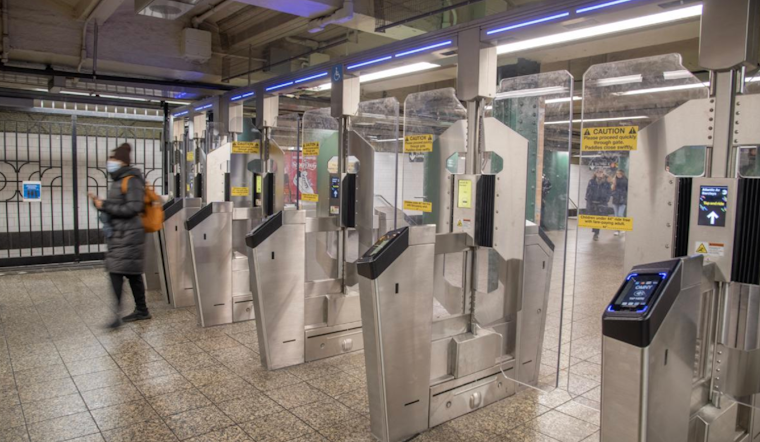
Chicago’s next fare gate may be less turnstile and more seven-foot plexiglass barrier. The CTA is shopping for rail-station gates that would make fare skipping harder, widen entry for wheelchairs and strollers, and replace equipment nearing 40 years old. The agency is not ordering a systemwide makeover yet, but it is taking the first step toward a pilot that could change the look of the “L.”
CTA Wants New Gates Tested Before A Systemwide Rollout
The CTA has opened a competition for new fare-entry technology, with Phase I proposals due August 24, according to Axios. The agency expects to select one or more concepts for pilots beginning early next year, with tests running for 12 months. Any finalist will have to work with Ventra, meet ADA standards, survive Chicago weather, and make it easier for riders with mobility devices, luggage or carts to enter.
The financial pressure is real. CTA’s May 2026 ridership report counted an average 147,893 underpaid weekday bus rides and 20,483 underpaid weekday rail rides. CTA defines underpaid rides as trips with no payment or less than the authorized fare, including estimated unauthorized free rides, according to the agency’s May ridership report.
San Francisco’s BART Offers Chicago A Tall Case Study
BART has already taken the leap Chicago is considering, replacing 715 fare gates at all 50 stations by August 2025. The Bay Area agency’s new gates create a barrier at least 72 inches high and use swing doors designed to be difficult to push through, jump over or squeeze under.
BART says the number of riders reporting that they witnessed fare evasion fell by more than half after installation, while early estimates point to roughly $10 million in additional annual fare revenue. The agency also reported a 41% drop in overall crime, though it credited the gates alongside increased police visibility rather than treating the hardware as a standalone fix, as detailed by BART.
New York Is Spending Big On The Same Idea
New York’s Metropolitan Transportation Authority has put $1.1 billion into modern fare gates in its 2025–2029 capital plan. The program calls for new gates at more than 150 subway stations, using wide-panel doors and sensors intended to improve access for people with wheelchairs, strollers and luggage while making fare evasion more difficult, according to the MTA capital plan.
Chicago’s Gates Would Join A Broader Safety Push
Cook County Sheriff Tom Dart has backed a Chicago version of the high-barrier approach, telling Axios that taller plexiglass gates could reduce fare evasion and free officers to patrol trains and buses instead of standing beside turnstiles. Separately, the CTA’s enhanced security plan includes a high-barrier fare-gate pilot at stations with persistent fare evasion, alongside a 75% increase in policing hours, according to the agency’s security plan.
For now, Chicago is choosing a test run rather than committing to a giant construction bill. The immediate question is whether a gate can be tall enough to stop fare jumpers without becoming one more obstacle for the riders the CTA is trying to welcome aboard.





