

























































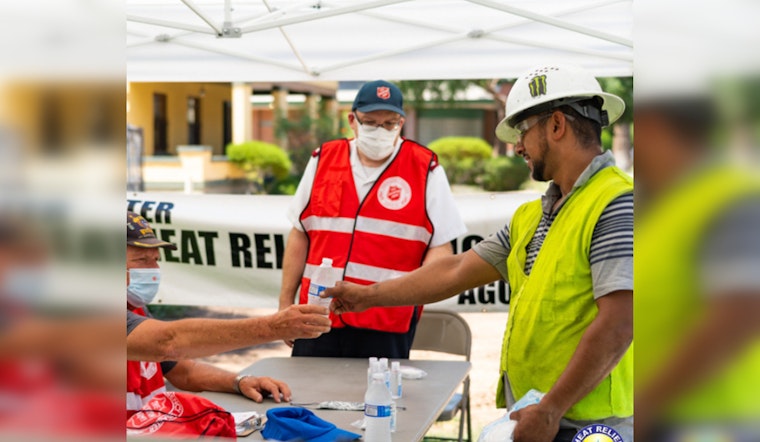
Maricopa County Department of Public Health is beefing up its heat relief campaign for the coming summer months, pushing to prevent the rise of heat-related casualties that have hit record numbers in recent years.
With a cash infusion from the American Rescue Plan, initiated by the Maricopa County Board of Supervisors, vital cooling centers across the region will see expanded hours, including weekends, to offer a reprieve from the sweltering Arizona heat, according to the Maricopa County announcement. “The number one thing we learned from our cooling center assessment in 2023 is that people need cooling centers to be open longer and on weekends. The other important piece we learned is that people need help finding cooling centers and other heat relief resources,” Dr. Rebecca Sunenshine, the medical director for MCDPH stated, acknowledging the gaps in the existing heat relief efforts.
Building on these insights, MCDPH has put together a detailed plan to extend support for the community. This includes forging Intergovernmental Agreements (IGAs) with cities like Phoenix and Mesa, ensuring at least one facility in each will stay open until 7 p.m. on weekdays and be available at least one weekend day. These centers give citizens a chance to cool down, and some also offer respite services where individuals can rest undisturbed.
Moreover, MCDPH has partnered with the AZ 2-1-1 call center, where community health workers, known as promotoras, are available from 9 a.m. to 7 p.m. daily to guide residents in both English and Spanish to nearby facilities, water distribution, and aid like utility assistance or A/C repair services. This initiative aims to streamline access to support for those beaten down by the heat, especially for vulnerable populations such as the elderly, people with medical conditions the homeless, and drug users, who stand at a higher risk.
Since 2016, records show each year has seen a grim new milestone in heat-related deaths in Maricopa County. Breaking this streak is a community-wide initiative, as Dr. Sunenshine puts it. “Preventing heat deaths comes down to three things: know your risk, protect yourself, and protect others.” Information on the risks, how to stay safe, and how to help others are widely promoted, including urging locals to check on neighbors, stay indoors at peak hours, and donate to the Heat Relief Network.
More details on the symptoms of heat illnesses, protective measures, and available services can be found on Maricopa County's official website, where residents and visitors are also directed to a map of heat relief centers and information on how to contribute supplies to those in need.





