

























































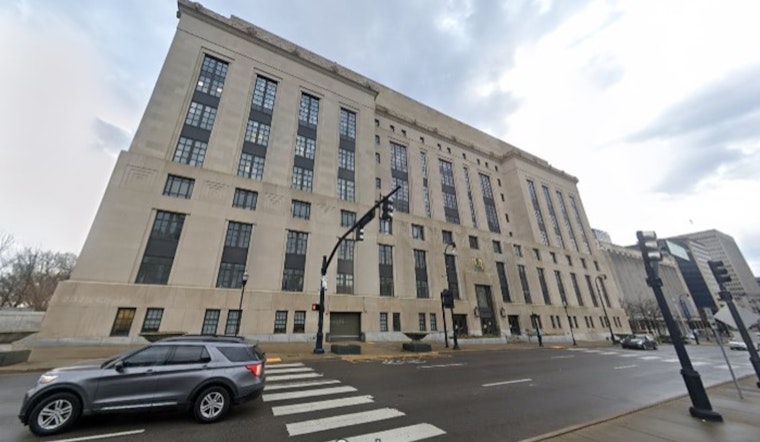
On the eve of Metro Council's fiscal budget hearing, the streets outside City Hall in Nashville became a hub of advocacy as various groups joined forces to champion a contentious shift in municipal financial priorities. The diverse crowd, consisting of city employees, educators, and criminal justice reform advocates, heralded the rally as a platform to voice their demands for increased cost-of-living adjustments and reallocation of funds from police budgets to social services. Specifically, they are urging a significant investment in what they refer to as public goods—affordable housing, legal representation, and youth programs.
According to WKRN, the rallying group, known as the Nashville People's Budget Coalition, proposed up to $15 million be diverted from the Metro Nashville Police Department (MNPD) budget—a portion of which, they claim, is unspent due to a failure to fill open positions. MNPD has countered by stating that the "lion's share" of their budget sustains personnel costs and that any internally identified surplus finances targeted overtime security measures in criteria circles of need, such as after the recent Bellevue shooting.
The People's Budget Coalition, as reported by NewsChannel 5, also calls attention to raising the cost of living adjustment for Metro workers to a minimum of 5%, earmarking $880,000 to improve the caliber of legal defense for individuals facing serious felonies, and dedicating $30 million toward affordable housing initiatives. Frame within the broader vision, the coalition is championing restorative justice programming with an allocation of $10 million to better serve Nashville's youth and families.
The urgency perceived by those at the rally was palpable. Metro Nashville Public School teacher Lindsey Lieck, expressing her dissatisfaction, told WSMV, "It is time for our city budget to reflect the priorities of the everyday people working to keep this city a great place to live." Lieck also highlighted the fiscal strain experienced by many like her, referencing a common scenario where city workers juggle multiple jobs, struggling to stay afloat amid the rising tide of living costs in Nashville.
The articulations at City Hall served as a prelude to the budget hearing where presentations and proposals faced Metro Council members. The gathering mobilized to translate their collective voices into substantive policy shifts—campaigning for a reconceived model of safety and well-being that transcends traditional enforcement paradigms. As the coalition insisted, the embodiment of civic resilience is often less about the asserted presence of law enforcement and more about the vibrant tapestry of community support systems, a sentiment captured by Andrew Krinks when he said, "The safest communities are the ones with the most resources, not the ones with the most police," in an interview with WKRN.
With the fiscal year 2025 budget deadline looming on July 1, the Metro Council must deliberate the path Nashville will tread. Advocates are hopeful that their push for a redistribution of resources will sow the seeds of a more equitable and sustainable city for all its residents.





